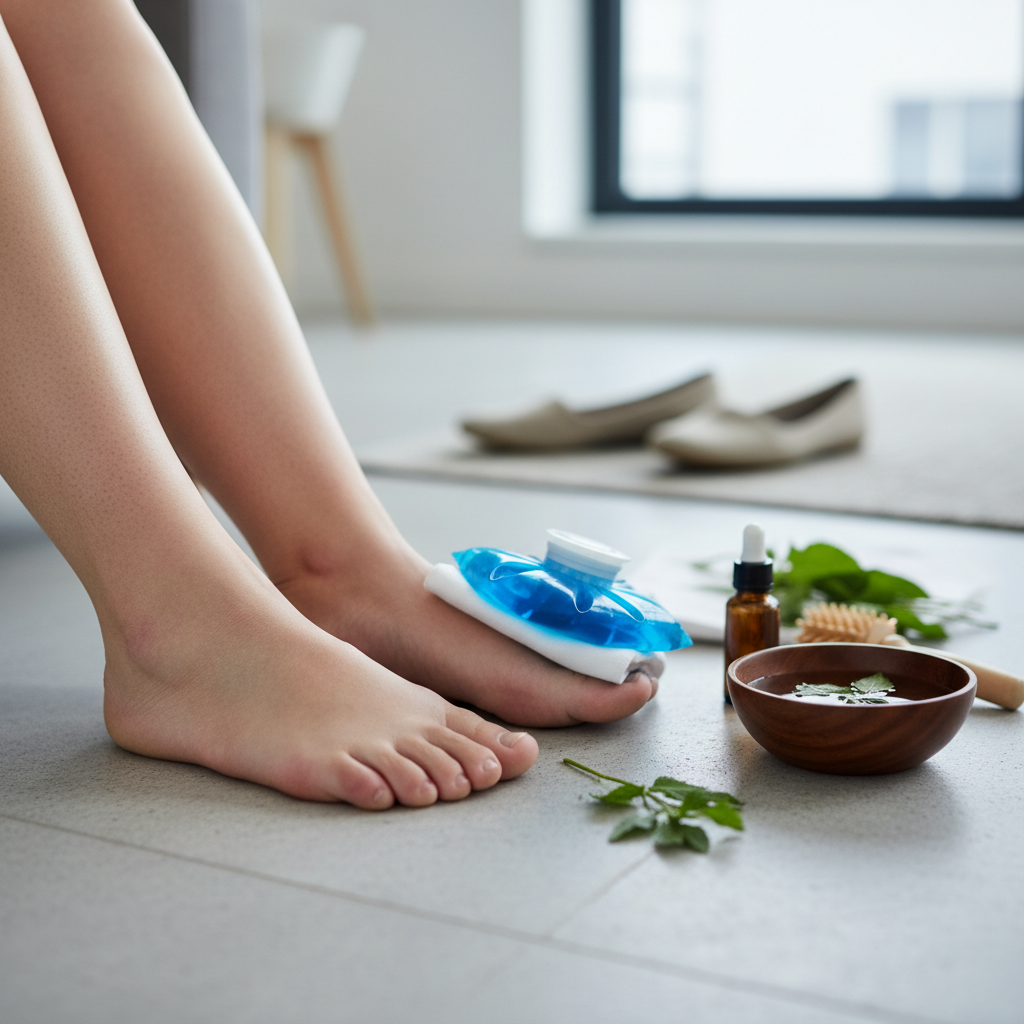
Swollen Feet After Standing All Day: Understanding and Combating Daily Discomfort
Who hasn’t experienced that uncomfortable sensation of swollen feet after standing all day? For many, this is a persistent reality, turning the end of the day into a torment of pain, fatigue, and discomfort.
Far from being just a fleeting annoyance, swelling in the feet and ankles can be a sign that something is amiss with circulation or that your body is under stress.
This article will delve into the causes of this phenomenon, offer effective prevention strategies, and present a wide range of solutions to alleviate pain and improve your quality of life.
If you spend long hours on your feet — whether due to work, daily routine, or necessity — understanding and combating swelling is crucial for your health and well-being.
👉 Flush Factor Plus is ideal for those who spend their day on their feet.
Learn more about Flush Factor Plus here
The condition known as edema, or swelling, is the excessive accumulation of fluid in the body’s tissues. When this occurs in the feet and ankles, it usually results from gravity pulling blood and other fluids into the lower extremities, especially after long periods in an upright position.
However, the ramifications and underlying causes can be more complex than they initially appear. Let’s explore in detail.
Why Do Your Feet Swell After Standing All Day?
The human body is a complex and fascinating machine, and the way it handles gravity and blood flow is an example of this. When we stand, the force of gravity acts relentlessly, pulling blood downwards.
The leg veins work against this force to pump blood back to the heart, a process aided by one-way valves and the contraction of calf muscles. However, when you remain immobile for too long or when the venous system is compromised, this mechanism can fail, leading to fluid accumulation and swelling.
Key Factors Contributing to Swollen Feet After Standing All Day:
- Gravity: The most obvious factor. Prolonged standing allows gravity to pull fluids into the lower parts of the body.
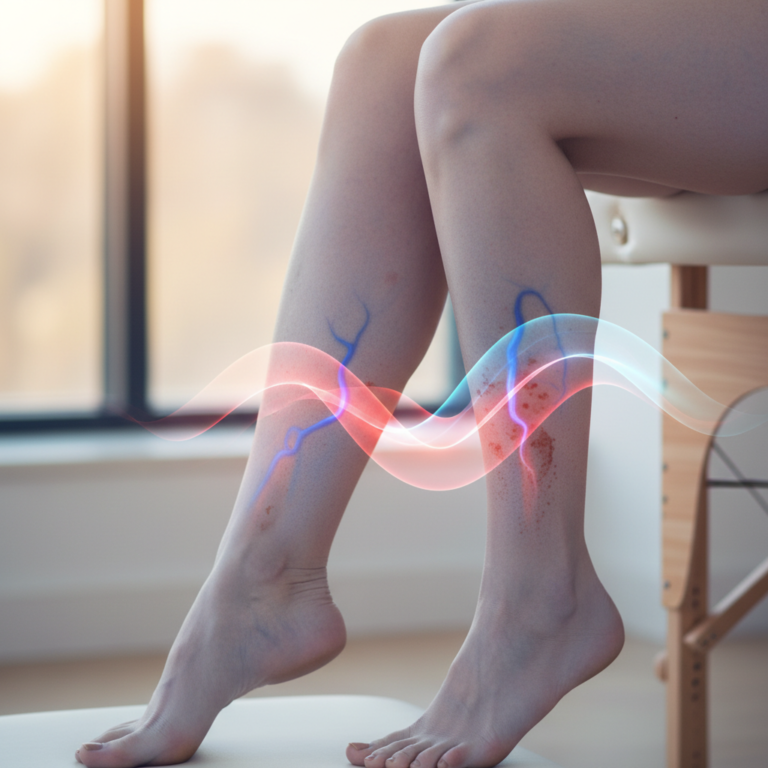
- Chronic Venous Insufficiency: This is a common condition where the valves in the leg veins don’t function properly, making it difficult for blood to return to the heart. Blood pools in the veins, increasing pressure and forcing fluid into surrounding tissues.
- Systemic Fluid Retention: Various factors can cause the body to retain more water and salt, such as hormonal changes (pregnancy, menstrual cycle), excessive sodium intake, and certain medications.
- Lack of Muscle Movement: The “calf muscle pump” is vital for propelling blood upwards. When we are still, these muscles do not contract, and pumping is inefficient.
- Footwear Type: Tight shoes, high heels, or those that don’t offer adequate support can restrict circulation and worsen swelling.
- Overweight and Obesity: Excess weight increases pressure on the leg veins, hindering blood and lymphatic flow.
- Underlying Medical Conditions: Although less common, persistent swelling can indicate kidney, heart, liver, or thyroid problems. It’s crucial to rule out these possibilities with a doctor.
- Environmental Factors: Hot and humid weather can dilate blood vessels and hinder venous return.
Long-Term Consequences of Chronic Foot Edema
Occasional swelling may seem harmless, but chronic edema of the feet and ankles, especially when unaddressed, can lead to significant complications.
The skin can become stretched, shiny, and cool to the touch. Over time, skin discoloration (hyperpigmentation), skin thickening (lipodermatosclerosis), intense itching, and, in more severe cases, the development of hard-to-heal venous ulcers can occur.
Peripheral neuropathy can exacerbate the situation, increasing the risk of unperceived injuries. Furthermore, mobility can be affected, impacting quality of life and the ability to perform daily activities.
It is essential not to underestimate the problem and to seek solutions, such as those that help the lymphatic system drain fluids, preventing these developments.
Practical Strategies to Prevent and Relieve Swollen Feet After Standing All Day
The good news is that there are many steps you can take to prevent and relieve swollen feet after standing all day. The most effective approach usually involves a combination of lifestyle changes, daily care, and, in some cases, supplemental support or medical interventions.
1. Movement is Key: Don’t Stay Still for Too Long
- Regular Breaks: Every hour, stand up, walk around a bit, stretch your calves, do ankle rotations. Even 5 minutes of movement can make a big difference.
- Light Exercises: If your job allows, do simple foot exercises, such as rising on your toes and returning, or rotating your ankles. This activates the calf muscle pump.
- Work Ergonomics: If you need to stand for long periods, try alternating your position, resting one foot on a low stool, or using an anti-fatigue mat to reduce pressure.
2. The Importance of Adequate Hydration and Diet
- Hydrate Well: It seems counterintuitive, but drinking enough water helps the body not to retain fluids. When the body is dehydrated, it tends to cling to existing water.
- Reduce Salt: Excess sodium is a major contributor to fluid retention. Be aware of processed and canned foods, which are often high in sodium. Opt for natural seasonings.
- Natural Diuretic Foods: Include foods like cucumber, celery, watermelon, parsley, asparagus, and green tea in your diet, as they can help eliminate excess fluids.
- Potassium Intake: Potassium helps balance sodium levels and fluids in the body. Foods rich in potassium include bananas, potatoes, avocados, and spinach.
3. Appropriate Footwear and Socks
- Comfortable and Supportive Footwear: Choose shoes that offer good arch support, have a spacious toe box, and are made of breathable materials. Avoid high heels and excessively tight shoes. Invest in orthopedic insoles if necessary.
- Compression Socks: These are great allies! Graduated compression socks apply gentle pressure to the legs, helping to push blood back to the heart and preventing fluid accumulation. Consult a doctor or pharmacist to determine the appropriate compression level for you.
- Avoid Tight Clothing: Tight belts, pants, and socks around the legs or ankles can restrict blood flow.
👉 Flush Factor Plus is ideal for those who spend their day on their feet.
Learn more about Flush Factor Plus here
4. Elevation and Massage for Immediate Relief
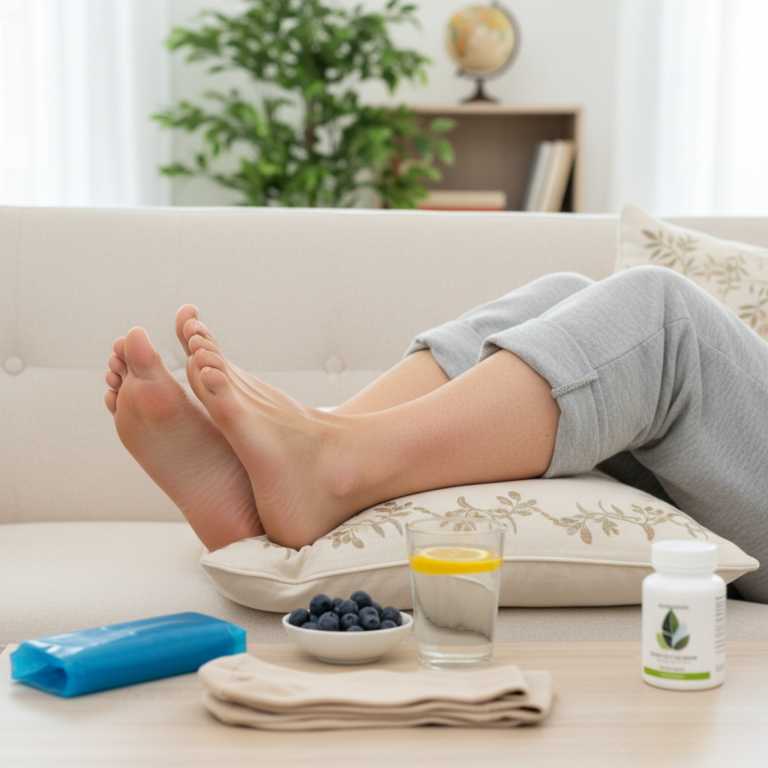
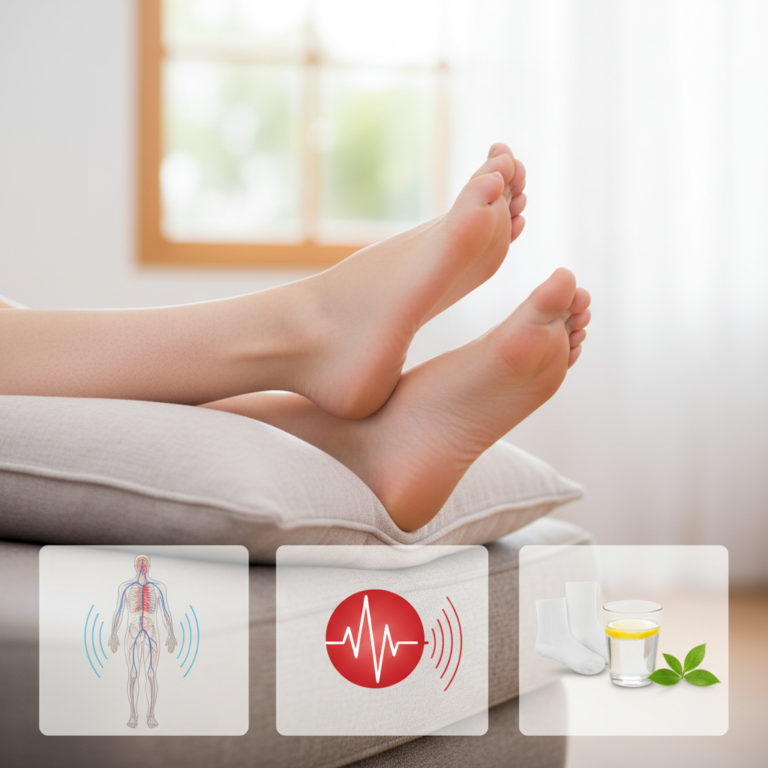
- Elevate Your Feet: Whenever possible, elevate your feet above heart level for 15-20 minutes, several times a day. This can be done by lying down and resting your feet on pillows or leaning them against a wall.
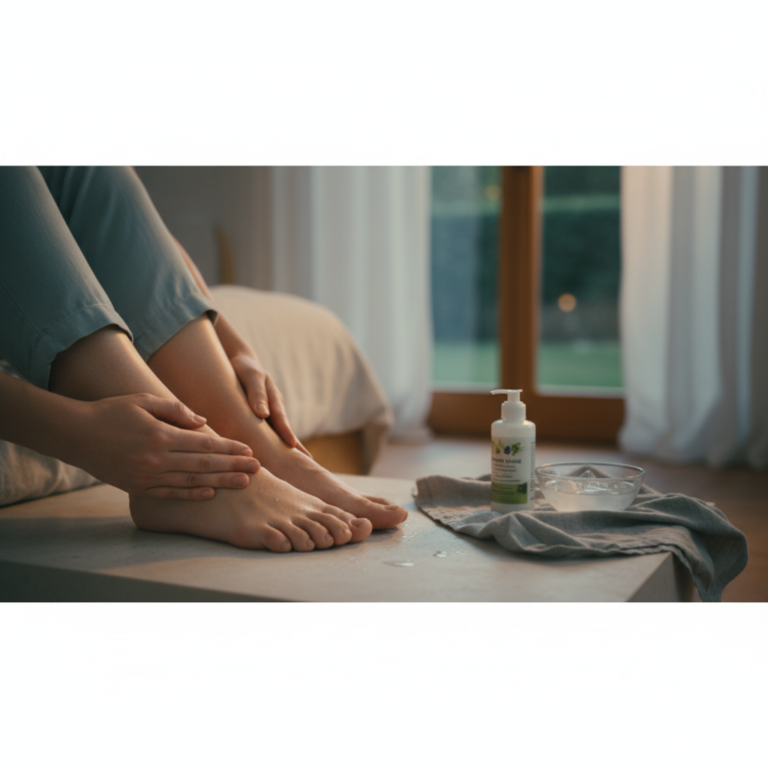
- Massage: A gentle massage on your feet and legs, moving towards the heart, can help move excess fluid and improve circulation. Use an oil or lotion for easier gliding.
- Soaking Baths and Foot Soaks: Afoot soak with warm water and Epsom salts can be very relaxing and help reduce swelling. Cold water can also be helpful for reducing inflammation.
5. Supplements and Natural Support
For many women who suffer from swollen feet after standing all day, internal support can make a big difference. Supplements specifically formulated for circulatory health and fluid elimination can be a valuable complement to lifestyle changes.
Introducing Flush Factor Plus: An Ally for Your Tired Feet
Flush Factor Plus is a supplement precisely developed to support healthy circulation, help eliminate excess fluids, and reduce swelling in the feet and legs.
For women who suffer from fluid retention, heavy legs, or daily discomfort, it offers support from the inside out, in a practical and natural way.
Its formulation is designed to work in synergy with the body’s natural processes, promoting relief and well-being. It is an excellent option to complement the prevention and relief strategies mentioned.
It is especially useful for those who, due to their routines, cannot constantly apply all passive measures.
6. When to Seek Medical Help
While mild, occasional swelling is common, there are situations where it is crucial to seek medical evaluation:
- Sudden and Severe Swelling: Especially if it occurs in only one leg or is accompanied by pain, redness, or warmth. This could indicate a deep vein thrombosis (DVT), which is a medical emergency.
- Accompanied by Other Symptoms: Extreme fatigue, shortness of breath, chest pain, generalized body swelling, or changes in kidney function.
- Persistent Swelling: If the swelling does not improve with self-care measures or worsens over time.
- Brittle Skin or Rash: Any sign of infection or severe skin change.
A doctor can identify the underlying cause of the swelling, rule out more serious conditions, and recommend the most appropriate treatment.
Holistic Approaches to Overall Well-being and Foot Health
In addition to strategies directly focused on swelling, adopting a healthier lifestyle in general will have a positive impact on your foot health and circulation.
Weight Management
Maintaining a healthy weight is one of the most effective ways to reduce pressure on leg veins and improve blood flow. Excess body weight, especially in the abdominal area, can hinder venous return, forcing the circulatory system to work harder.
Regular Exercise
Besides work breaks, incorporating regular aerobic exercises such as walking, swimming, or cycling can strengthen calf muscles and significantly improve circulation. Even 30 minutes of moderate activity on most days of the week can make a substantial difference.
Stress Management
Stress can affect the body in various ways, including fluid retention due to hormonal changes. Practices such as yoga, meditation, reading, or relaxing hobbies can help reduce stress levels and promote overall well-being.
Alternative and Complementary Therapies
Some individuals find relief in therapies such as acupuncture, foot reflexology, or manual lymphatic drainage. While efficacy may vary from person to person, these practices aim to stimulate the flow of energy and fluids in the body, potentially alleviating swelling. It is important to seek qualified professionals in these areas.
Relevant Studies and Data on Postural Edema
Postural edema, which is swelling caused by standing or sitting for long periods, is a common problem affecting millions of people globally.
According to a study published in the Journal of Vascular Surgery, the prevalence of chronic venous insufficiency, which is one of the main causes of edema, can reach 40% in the adult Western population.
This demonstrates the scale of the problem and why so many people constantly experience swollen feet after standing all day.
Other research highlights that the risk of developing edema significantly increases with age, overweight, pregnancy, and certain occupations that require long periods of standing, such as nurses, teachers, hairdressers, and salespeople.
Additionally, dietary sodium retention is a factor consistently linked to increased body fluid volume and, consequently, swelling.
Simple interventions, such as the use of compression socks, have been shown to reduce edema volume by up to 40% in patients with mild to moderate venous insufficiency. This reinforces the importance of the active and passive prevention measures we are discussing.
Frequently Asked Questions about Swollen Feet
Let’s address some of the most common questions about the topic:
What causes foot swelling at night?
Foot swelling at night is often an exacerbation of daytime edema. After spending the day standing or sitting, gravity and decreased circulation during periods of less movement lead to fluid accumulation. It can be a sign of venous insufficiency or simply fatigue and normal fluid buildup.
Can swollen feet be a sign of a heart problem?
Yes, symmetrical swelling in both feet and ankles can be a symptom of congestive heart failure. When the heart cannot pump blood efficiently, fluid can accumulate in the legs. If swelling is accompanied by shortness of breath, fatigue, or chest pain, seek urgent medical attention.
Is it normal to have swollen feet during pregnancy?
Yes, it’s very common. During pregnancy, the body produces more blood volume and fluids, and the growing uterus can press on the pelvic veins, hindering blood return from the legs to the heart.
Hormonal changes also contribute to fluid retention. However, sudden and severe swelling, especially in one leg, can be a sign of preeclampsia or DVT and requires immediate medical attention.
What is the difference between edema and fluid retention?
Edema is the medical term for swelling caused by fluid accumulation in tissues. Fluid retention is the general process by which the body accumulates excess water. Edema is a specific manifestation of fluid retention, usually localized to a part of the body, such as the feet.
Can I use ice to reduce swelling?
For acute or inflammatory swelling (such as after an injury), ice can be beneficial. However, for swollen feet after standing all day, which is a more chronic edema, elevation and massage are generally more effective. A cold bath or foot soak with cold water can provide relief, as it helps contract blood vessels.
Are diuretics a good solution for swollen feet?
Diuretics, or ‘water pills,’ help the body eliminate excess sodium and water through urine. However, they should only be used under medical supervision and for specific conditions.
Improper use of diuretics can lead to dehydration and electrolyte imbalances. For common swelling due to standing, a natural approach and lifestyle changes are preferable.
How does diet influence swelling?
Diet plays a crucial role. Diets high in sodium, processed foods, and low in potassium can exacerbate fluid retention. Conversely, a balanced diet rich in fruits, vegetables, whole grains, with abundant water intake and low sodium content, is fundamental for preventing swelling.
Conclusion: Prioritize Your Foot Health
Swollen feet after standing all day don’t have to be an inevitable part of your routine. With a clear understanding of the causes and a proactive approach, you can prevent and alleviate this discomfort, significantly improving your quality of life.
From regular breaks and stretches to smart footwear choices, adequate hydration, and a balanced diet, every small change contributes to your foot health.
And for those seeking additional support and a more integrated solution, Flush Factor Plus emerges as a valuable ally. Its specific formulation for circulatory health and fluid elimination can perfectly complement your daily strategies, providing relief and comfort from the inside out. Don’t ignore your body’s signals.
Take care of your feet, as they are the foundation that supports your day. By adopting these practices, you can transform the end of your day, replacing pain and fatigue with lightness and vitality.
Learn more about Flush Factor Plus here