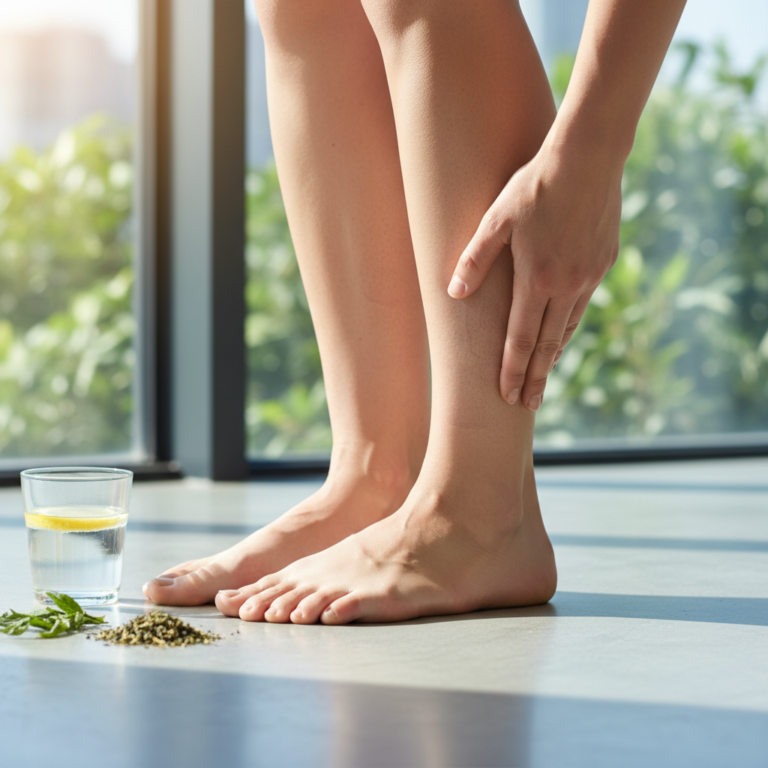
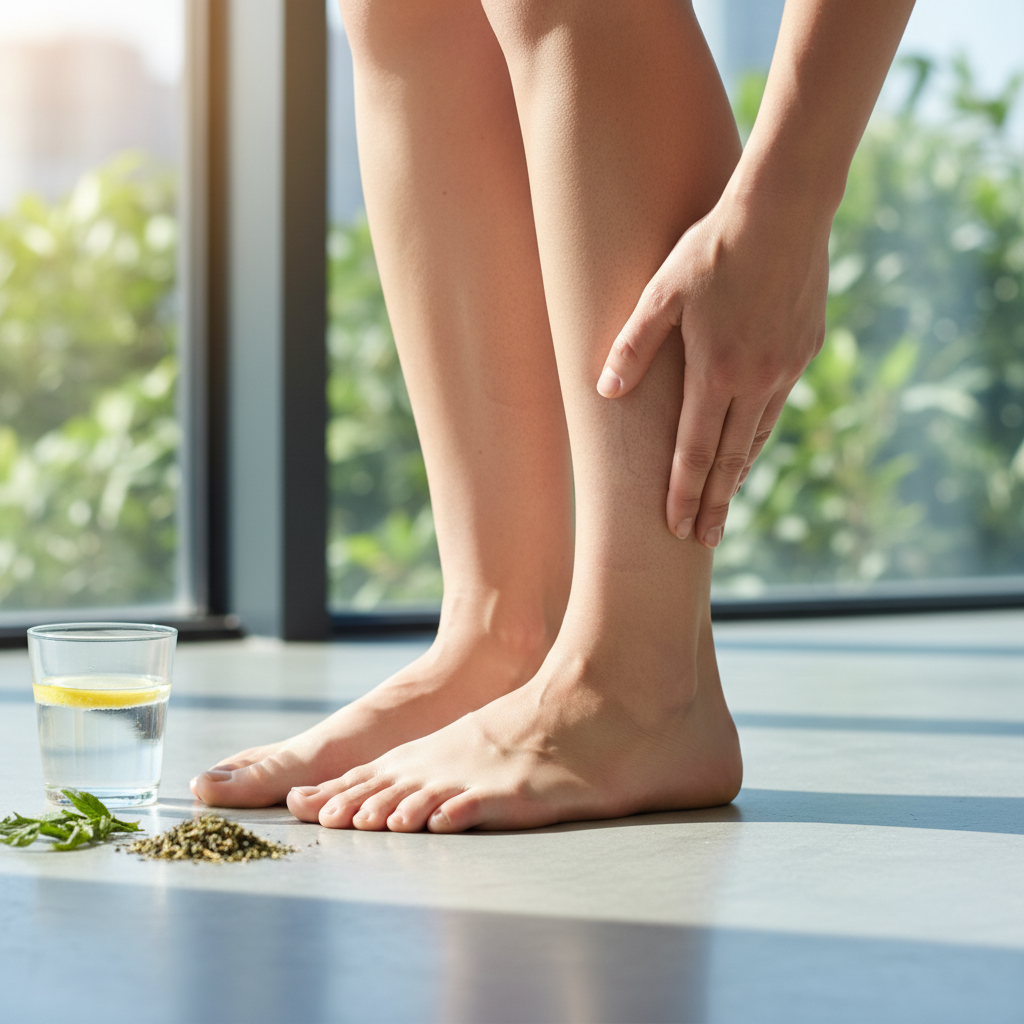
See why swelling is so common in women
That feeling of bloat, heavy legs at the end of the day, or a ring that suddenly feels too tight can be more than just minor annoyances.
They might be signs your body is retaining too much water, a condition clinically known as edema. Water retention is a common problem affecting millions worldwide, regardless of age or gender.
While often benign, this condition can signal underlying health issues that warrant attention. Understanding the signs, causes, and solutions for water retention is crucial for maintaining well-being and quality of life.
In this article, we’ll dive deep into this topic, exploring common manifestations, risk factors, and effective strategies to alleviate discomfort and promote a more balanced body.
Water retention occurs when there’s an excessive accumulation of fluids in the body’s tissues. This buildup can be generalized, affecting the entire body, or localized, occurring in specific areas like ankles, feet, hands, or the abdomen.
Differentiating between normal weight fluctuations and actual water retention can be challenging, but certain indicators can help identify the problem. Ignoring these signs your body is retaining too much water can prolong discomfort and, in some cases, delay the diagnosis of more serious medical conditions.
Our goal is to provide comprehensive and practical information that empowers you to take charge of your health and seek the most appropriate approaches for your specific situation.
Identifying the Most Common Signs of Water Retention
Recognizing the symptoms is the first step toward treatment. The signs of water retention can vary in intensity and location. We’ve listed the most frequent ones below:
- Visible Swelling: This is perhaps the most obvious sign. You might notice swelling in your feet, ankles, hands, abdomen, or even your face. Swelling can be more noticeable at the end of the day or after long periods of standing or sitting.
- Unexplained, Rapid Weight Gain: A sudden increase in weight, without significant changes in diet or exercise habits, can indicate fluid accumulation. Each extra pound of weight could correspond to over a liter of retained fluid.
- Pitting Edema: If you press on swollen skin with your finger for a few seconds and an indentation remains, it’s a strong sign of water retention.
- Stiff or Aching Joints: Fluid accumulation around the joints can lead to stiffness and discomfort, making movement difficult.
- Tight Clothing and Accessories: Rings, shoes, and clothes that once fit well may start to feel uncomfortably tight, even without fat gain.
- Stretched, Shiny Skin: The skin over the swollen area may appear stretched, shiny, and thin due to the tension exerted by excess fluid.
- Reduced Flexibility: Swelling can limit the range of motion in some parts of the body, such as hands and ankles.
- Unexplained Fatigue: A body working harder to manage excess fluid can lead to a constant feeling of tiredness.
The Roots of Water Retention: Common Causes
Understanding why your body is retaining water is essential to addressing the problem effectively. The causes are multifactorial and can range from lifestyle habits to complex medical conditions.
Dietary Factors and Lifestyle: The Primary Culprits
Often, water retention is directly linked to what we eat and how we live. Some of the main contributors include:
- Excess Sodium: Salt (sodium chloride) is the number one enemy of water retention. Sodium plays a crucial role in the body’s fluid balance. Consuming too much sodium causes the body to retain water to dilute it, resulting in swelling. Processed foods, fast food, canned goods, and snacks are high in sodium.
- Dehydration: Paradoxically, not drinking enough water can lead to water retention. When the body is dehydrated, it enters ‘survival mode,’ attempting to hold onto every available drop of water.
- Lack of Potassium and Magnesium: These important electrolytes work with sodium to maintain fluid balance. Low levels of potassium (found in fruits and vegetables) and magnesium can disrupt this system.
- Sedentary Lifestyle: A lack of physical activity, especially prolonged sitting or standing, hinders the pumping of fluids back into circulation, causing them to accumulate in the extremities.
- Long Periods of Standing or Sitting: Gravity pulls blood downwards, and without muscle movement to aid venous return, fluid can accumulate in the legs and feet.
- Excessive Refined Sugar Intake: Diets high in sugar can increase insulin levels, which, in turn, may lead to sodium and water reabsorption in the kidneys.
Medical Conditions and Hormonal Changes
In some cases, water retention can be a symptom of an underlying medical condition requiring professional attention:
- Premenstrual Syndrome (PMS) and Pregnancy: Hormonal fluctuations, primarily estrogen and progesterone, can cause water retention in women during their menstrual cycle and pregnancy.
- Kidney Problems: The kidneys are responsible for filtering blood and regulating fluid and electrolyte balance. Kidney diseases can impair this function, leading to fluid accumulation.
- Congestive Heart Failure: When the heart cannot pump blood effectively, blood can back up into the veins, causing fluid accumulation in the lungs, legs, and abdomen.
- Liver Disease: The liver produces albumin, a protein that helps keep fluid within blood vessels. If the liver is damaged, albumin production can decrease, leading to fluid leaking into tissues.
- Thyroid Disorders: Hypothyroidism, for example, can slow metabolism and impact the body’s fluid balance.
- Certain Medications: Some drugs, such as nonsteroidal anti-inflammatory drugs (NSAIDs), blood pressure medications (calcium channel blockers), corticosteroids, and certain antidepressants, can have water retention as a side effect.
- Allergic Reactions: In rarer cases, a severe allergic reaction (anaphylaxis) can cause severe, generalized swelling.
- Lymphedema: This condition occurs when the lymphatic system, responsible for draining excess fluid from tissues, is compromised, resulting in chronic swelling.
Effective Strategies to Combat Water Retention
Fortunately, it’s often possible to alleviate the signs your body is retaining too much water through lifestyle changes and, when necessary, medical intervention. Here are some of the most effective approaches:
Smart Dietary Adjustments
Your diet plays a crucial role in managing fluid retention.
- Reduce Sodium Intake: This is the most important step. Read food labels, avoid processed foods and fast food. Opt to cook more at home, using herbs and spices for seasoning instead of excessive salt. The ideal daily sodium limit is generally 2,300 mg, but people with specific health issues may need to reduce it further.
- Increase Water Intake: Drink plenty of water throughout the day. This helps your kidneys function better and signals your body that there’s no need to retain fluids.
- Consume Potassium-Rich Foods: Fruits like bananas, oranges, melons, and vegetables such as spinach, sweet potatoes, and avocados are excellent sources of potassium that aid in electrolyte balance.
- Include Natural Diuretic Foods: Certain foods have diuretic properties that can help eliminate excess fluids. Examples include cucumber, watermelon, celery, asparagus, ginger, and green tea.
- Magnesium is Your Ally: Foods like dark leafy greens, nuts, seeds, avocado, and dark chocolate are rich in magnesium and can help alleviate water retention, especially that related to the menstrual cycle.
- Avoid Refined Carbohydrates and Sugar: Reducing your intake of white bread, pasta, cakes, and sweets can help decrease sodium reabsorption.
The Power of Physical Activity and Other Habits
Beyond diet, lifestyle directly impacts the body’s ability to manage fluids:
- Exercise Regularly: Physical activity stimulates blood and lymphatic circulation, helping to pump excess fluid back into circulation to be processed by the kidneys. Walking, running, swimming, or cycling are great options.
- Elevate Your Legs: If you spend a lot of time standing, elevate your legs above heart level for 15-30 minutes a few times a day to help drain fluid buildup. This is particularly effective for relieving swelling in the ankles and feet.
- Wear Compression Stockings: For leg swelling, compression stockings can help apply gradual pressure, preventing fluid from accumulating.
- Manage Stress: Stress can lead to hormonal imbalances that affect water retention. Relaxation techniques like yoga, meditation, or mindfulness can be beneficial.
- Get Enough Sleep: Sleep deprivation can affect hormones that control fluid balance in the body. Aim for 7 to 9 hours of quality sleep per night.
- Lymphatic Massage: Manual lymphatic drainage is a specific massage technique that can help move excess fluid out of the tissues.
When to Seek Medical Help
While water retention is often benign, it’s crucial to know when to consult a doctor. Seek medical attention if:
- Swelling is sudden, severe, or accompanied by pain.
- Swelling affects only one side of your body.
- You experience shortness of breath, chest pain, or dizziness along with the swelling.
- The skin over the swollen area is red, warm, or infected.
- You have a history of heart, kidney, or liver disease.
- Lifestyle changes do not relieve your symptoms.
A doctor can perform tests to determine the underlying cause and recommend appropriate treatment.
This may include diuretics (medications that increase the elimination of fluids through urine), adjustment of other medications, or treatment of an underlying condition.
Water Retention and Women’s Health: A Closer Look
Women are particularly susceptible to water retention due to hormonal fluctuations. During premenstrual syndrome (PMS), many women experience abdominal bloating, breast tenderness, and swelling in the extremities.
This is primarily due to changes in estrogen and progesterone levels that impact the body’s osmotic balance. Strategies such as reducing sodium, increasing potassium and magnesium intake, and gentle exercise can be helpful during this period.
Pregnancy is also a time when water retention is common, especially in the later trimesters, due to increased blood volume, pressure from the uterus on pelvic veins, and hormonal changes.
While mostly harmless, sudden and severe swelling during pregnancy can be a sign of preeclampsia, a serious condition requiring immediate medical attention.
The Vital Role of Kidneys and the Lymphatic System in Fluid Regulation
The human body is a complex machine with sophisticated mechanisms for maintaining balance. The kidneys act as primary filters, regulating water volume and electrolyte concentration in the blood.
When the kidneys are not functioning optimally, either due to disease or excessive stress (like high sodium intake), their ability to excrete excess fluid decreases, leading to water retention.
The lymphatic system, in turn, is a network of vessels that transports a fluid called lymph, containing immune cells and waste products, out of tissues and back into the bloodstream.
If this system is damaged or blocked (a condition known as lymphedema), fluid can accumulate in tissues, causing swelling.
Maintaining kidney health through a balanced diet and adequate hydration is fundamental. Similarly, regular physical activity and massage can support the healthy functioning of the lymphatic system. Recognizing that water retention goes beyond aesthetics and is intrinsically linked to the function of these vital systems is the first step towards a holistic approach to well-being.
Myths and Truths About Water Retention
It’s common to find a lot of misinformation regarding water retention. Let’s debunk some of them:
- Myth: Drinking less water helps reduce swelling.
Truth: On the contrary! Dehydration signals the body to retain water, worsening the problem. Drinking enough water helps the kidneys function better and eliminates excess sodium. - Myth: All diuretics are safe and should be used.
Truth: Over-the-counter diuretics can be dangerous, unbalancing electrolytes and leading to more serious health problems. Prescription diuretics should only be used under medical supervision. - Myth: Only overweight people retain water.
Truth: Water retention can affect anyone, regardless of weight. While being overweight can exacerbate the condition, it’s also common in lean individuals due to hormonal, dietary factors, or health conditions. - Myth: Water retention is always harmless.
Truth: While often benign, it can be a symptom of serious conditions like heart, kidney, or liver disease. Persistent symptoms or the presence of other warning signs always require medical evaluation.
Take Control of Water Retention
Recognizing the signs your body is retaining too much water is the crucial first step to regaining control over your health and well-being.
Bloating and discomfort can be debilitating, but with the right strategies, it’s possible to significantly alleviate these symptoms.
Prioritizing a low-sodium diet rich in potassium and magnesium, staying hydrated, exercising regularly, and managing stress are fundamental pillars for preventing and treating water retention. Remember that your body sends important signals – pay attention to them.
If lifestyle changes aren’t enough or if you notice concerning symptoms, do not hesitate to seek medical advice. A healthcare professional can help identify the underlying cause and recommend a personalized treatment plan.
Take care of yourself, listen to your body, and live a lighter, healthier life. Your journey to a balanced body starts now!