
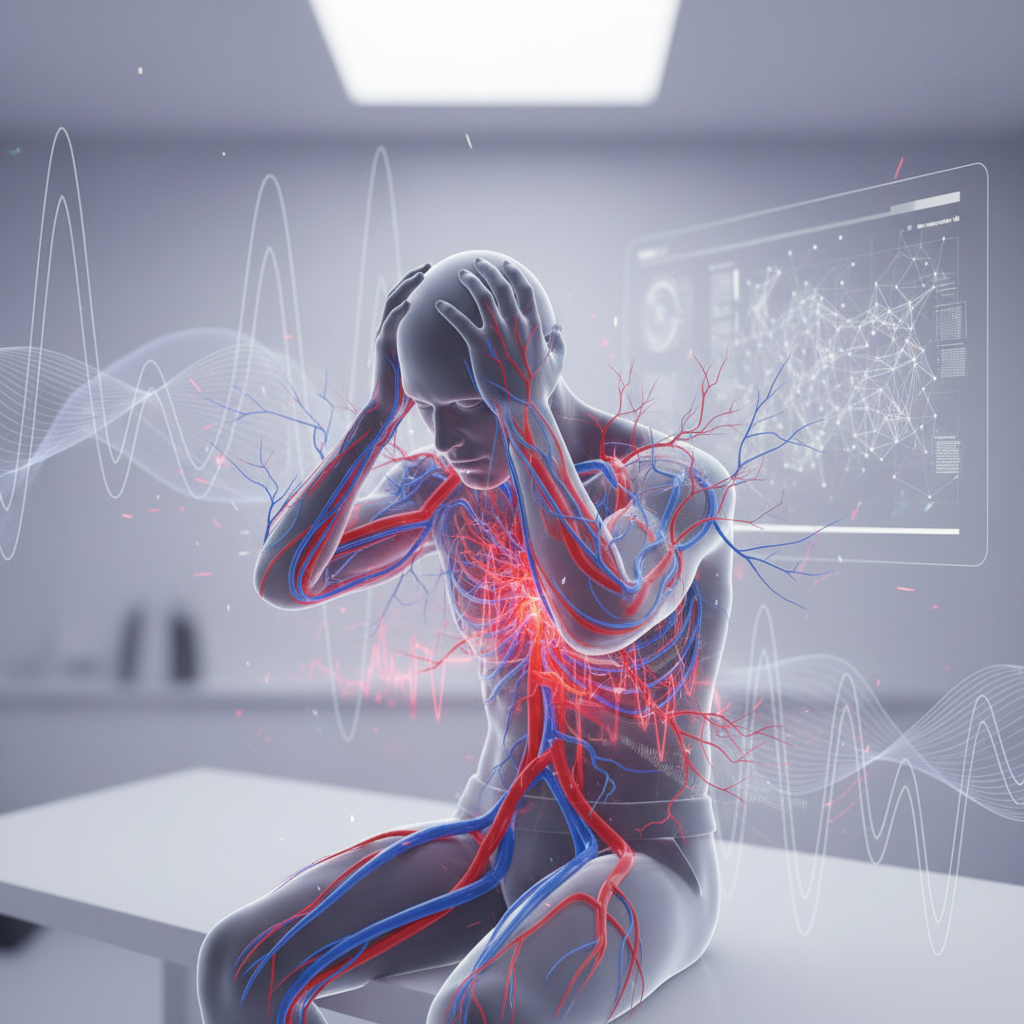
Have you ever wondered how stress impacts circulation? In an increasingly fast-paced world, stress has become a constant companion for many. Whether due to tight deadlines, financial worries, interpersonal conflicts, or life’s uncertainties, mental and emotional pressure is an undeniable reality.
👉 Discover now how stress can be causing swelling in your legs — and what to do to relieve this discomfort in a simple and natural way. Click and see!
What many people don’t realize is that the ramifications of stress extend far beyond feelings of fatigue or irritability. It has a profound and often silent impact on our physiology, especially on the cardiovascular system, seriously compromising the health of our veins and arteries.
The relationship between stress and blood circulation is complex and multifaceted. When we are under stress, our body activates a series of hormonal and neural responses designed to prepare us for “fight or flight.” This response, inherited from our ancestors, was essential for survival in situations of immediate danger.
However, in the modern context, where stress is often chronic and psychological, this same response can become detrimental, dysregulating vital processes and contributing to a range of health problems, including cardiovascular diseases, hypertension, and impaired endothelial function.
Understanding how stress impacts circulation is the first step towards adopting preventive measures and effective management strategies. This article will detail the mechanisms by which stress compromises vascular health, explore the impacts of cortisol and inflammation, and present practical and natural solutions to protect your circulatory system.
Get ready to uncover this crucial connection and empower yourself with the knowledge needed to live a healthier, more balanced life.
The Physiological Stress Response: An Attack on the Vascular System
To comprehend how stress impacts circulation, we must first analyze the body’s physiological response to stressors. When confronted with a threat, whether real or perceived, the sympathetic nervous system is activated, releasing a cascade of hormones.
The main protagonists in this hormonal orchestra are adrenaline (epinephrine) and noradrenaline (norepinephrine), along with cortisol, known as the “stress hormone.”
The release of these hormones causes a series of immediate bodily changes. Heart rate increases, blood pressure rises, blood vessels constrict (vasoconstriction), and blood is redirected to major muscles, preparing the body for action.
While this response is crucial in emergency situations, chronic stress keeps the body in a constant state of alert, leading to prolonged exposure to high levels of these hormones.
Adrenaline and Noradrenaline: The Immediate Impact
- Increased Heart Rate: The heart is forced to work harder to pump blood, increasing oxygen demand.
- Elevated Blood Pressure: Vasoconstriction and increased cardiac pumping lead to pressure spikes, which, if constant, can damage blood vessel walls.
- Blood Flow Redistribution: Blood is diverted from non-essential organs (like the digestive system) to the muscles, which can compromise the function of other systems in the long run.
These acute responses, when repeated and prolonged, begin to wear down the cardiovascular system, making it more susceptible to disease. The elasticity of blood vessels can decrease, and the risk of damage to the inner lining of arteries increases.
Chronic Stress and Arterial Hypertension
One of the most direct impacts of how stress impacts circulation is the development or worsening of arterial hypertension. Continuous exposure to stress hormones keeps blood pressure elevated, exerting excessive force on artery walls.
Over time, this constant pressure can lead to hardening and thickening of the arteries, a condition known as atherosclerosis. Atherosclerosis, in turn, restricts blood flow and significantly increases the risk of heart attacks and strokes.
Cortisol and Its Impact on Blood Vessels: The Silent Villain
Among the stress hormones, cortisol and its impact on blood vessels deserve special attention. While vital for many bodily functions, including metabolism regulation and inflammatory response, chronically elevated cortisol levels are deeply detrimental.
Cortisol not only maintains elevated blood pressure but also plays a direct role in endothelial dysfunction, which is the inability of the inner lining of blood vessels to function properly.
- Endothelial Dysfunction: The endothelium is a layer of cells lining the inside of blood vessels and plays a crucial role in regulating vascular tone, blood coagulation, and inflammatory response. High cortisol levels can damage these cells, compromising their ability to produce nitric oxide, a molecule that helps relax and dilate blood vessels. Reduced nitric oxide leads to vasoconstriction and increased arterial stiffness.
- Increased Inflammation: Cortisol, in theory, has anti-inflammatory properties. However, chronic stress can lead to cellular resistance to cortisol, which paradoxically can increase systemic inflammation. This chronic inflammation is a key factor in the development of atherosclerosis.
- Lipid and Glucose Metabolism: Cortisol also influences metabolism, increasing blood glucose levels and promoting abdominal fat accumulation. Both are known risk factors for cardiovascular diseases and can exacerbate circulatory problems.
This complex interaction between cortisol and the vascular system clearly illustrates how stress impacts circulation at a cellular and molecular level, setting the stage for the development of serious diseases.
Relationship Between Stress and Inflammation: A Vicious Cycle
The relationship between stress and inflammation is a vicious cycle that exacerbates circulatory problems. Chronic stress activates the immune system, leading to the release of pro-inflammatory cytokines.
These chemical substances, while essential for fighting infections and repairing tissues, when present in excess and for prolonged periods, cause low-grade systemic inflammation.
Chronic inflammation is one of the main drivers of atherosclerosis. It contributes to the formation and instability of fatty plaques in the arteries, making them more prone to rupture and causing blood clots, leading to heart attacks and strokes.
Furthermore, inflammation can directly damage endothelial cells, as previously mentioned, further impairing vascular function.
👉 Discover now how stress can be causing swelling in your legs — and what to do to relieve this discomfort in a simple and natural way. Click and see!
This interconnectedness demonstrates that stress impacts circulation not only through acute pressure spikes but also through a sustained inflammatory response that silently deteriorates the integrity of blood vessels.
Other Mechanisms by which Stress Impacts Circulation
Beyond the direct impacts of hormones and inflammation, stress can compromise circulation in other ways:
- Increased Blood Coagulation: Prolonged stress can increase platelet activity and the production of coagulation factors, making the blood more prone to forming clots. Clots can block veins and arteries, resulting in deep vein thrombosis (DVT), pulmonary embolism, heart attacks, and strokes.
- Telomere Damage: Research suggests that chronic stress can accelerate the shortening of telomeres, the protective caps at the ends of chromosomes. Shorter telomeres are associated with premature cellular aging and an increased risk of various diseases, including cardiovascular ones.
- Risky Behaviors: People under chronic stress are more likely to adopt unhealthy behaviors that negatively affect circulation, such as:
- Smoking: Smoking is one of the biggest risk factors for cardiovascular diseases, damaging blood vessels and increasing blood pressure.
- Poor Diet: Consumption of foods rich in saturated fats, sugars, and sodium contributes to obesity, high cholesterol, and hypertension.
- Sedentary Lifestyle: Lack of physical activity weakens the heart, impairs circulation, and can lead to weight gain.
- Excessive Alcohol Consumption: Excessive alcohol raises blood pressure and can damage the heart muscle.
This combination of direct and indirect effects clarifies the depth of how stress impacts circulation, making it an underestimated enemy of vascular health.
Signs and Symptoms of Stress-Related Circulatory Problems
Recognizing the signs that stress impacts circulation is crucial for seeking help and implementing changes. Symptoms may be subtle at first but progress over time. Be aware of:
- Chronic Fatigue: Stress depletes the body, and circulatory problems can reduce oxygen and nutrient supply to cells, resulting in persistent fatigue.
- Cold Hands and Feet: Poor circulation, often exacerbated by stress-induced vasoconstriction, can lead to cold extremities.
- Swelling (Edema): Stress can contribute to fluid retention and consequently swelling in the legs, ankles, and feet, especially if kidney function is compromised.
- Tension Headaches and Migraines: Muscle tension and increased blood pressure can trigger or worsen headaches.
- Heart Palpitations: A sensation of a racing or irregularly beating heart, a reflection of the body’s response to stress.
- Difficulty Concentrating and Memory: Reduced blood flow to the brain can affect cognitive functions.
- Muscle Aches and Cramps: Lack of oxygen and nutrients in muscles due to poor circulation can cause pain and cramps, especially in the legs.
If you persistently experience several of these symptoms, it is essential to consult a doctor for a complete evaluation and to rule out other conditions.
👉 Discover now how stress can be causing swelling in your legs — and what to do to relieve this discomfort in a simple and natural way. Click and see!
Natural Stress Control Strategies to Protect Your Circulation
The good news is that there are many natural stress control strategies that can mitigate its deleterious effects on circulation. Adopting a healthy lifestyle and incorporating stress management practices is essential to protect your heart and blood vessels.
1. Regular Physical Activity
Exercise is one of the most powerful tools against stress. Physical activity releases endorphins, which have analgesic effects and promote a sense of well-being. Additionally, exercise strengthens the heart, improves blood vessel elasticity, helps regulate blood pressure and cholesterol, and improves overall circulation. Aim to incorporate at least 30 minutes of moderate physical activity on most days of the week.
2. Relaxation and Mindfulness Techniques
- Meditation: Regular meditation can reduce cortisol levels, lower blood pressure, and promote a state of calm.
- Yoga: Combines physical postures, breathing exercises, and meditation, making it excellent for reducing stress and improving flexibility and circulation.
- Deep Breathing: Diaphragmatic breathing practices activate the parasympathetic nervous system, which helps slow heart rate and relax blood vessels.
- Mindfulness: Living in the present moment and observing thoughts and feelings without judgment can reduce rumination and anxiety.
3. Quality Sleep
Sleep deprivation increases stress hormones and exacerbates inflammation. Prioritizing restorative sleep of 7-9 hours per night is crucial for cardiovascular health. Establish a regular sleep routine, create a dark and quiet environment, and avoid screens before bed.
4. Balanced and Nutritious Diet
A diet rich in fruits, vegetables, whole grains, lean proteins, and healthy fats (like omega-3s) is fundamental for vascular health. Processed foods, rich in sugars and saturated fats, contribute to inflammation and weight gain, impairing circulation. Include a variety of antioxidant and anti-inflammatory foods.
5. Social Connection and Emotional Support
Maintaining healthy relationships and seeking support from friends and family can mitigate the effects of stress. Sharing worries and feelings helps process emotions and reduces feelings of isolation, a known risk factor for health problems.
6. Time Management and Personal Boundaries
Learning to say “no,” delegating tasks, and setting healthy boundaries between work and personal life are crucial strategies to avoid overload and chronic stress. Prioritizing activities that bring joy and relaxation is as important as fulfilling obligations.
Complementary Therapies and Integrative Approaches
In addition to the mentioned strategies, some complementary therapies can be useful for those wondering how stress impacts circulation and ways to manage it:
- Massage Therapy: Massage can reduce muscle tension, improve local blood flow, and promote general relaxation.
- Acupuncture: This ancient practice can help modulate the stress response and balance the nervous system.
- Herbal Medicine: Some adaptogenic herbs, such as Rhodiola Rosea and Ashwagandha, can help the body adapt to stress, but always with professional guidance.
- Aromatherapy: Essential oils like lavender can have relaxing effects when inhaled or applied topically.
It is important to note that any new therapy should be discussed with a healthcare professional, especially if you are already being treated for a condition.
Monitoring and Assessing the Impact of Stress on Your Circulation
For those concerned about how stress impacts circulation, monitoring some health indicators can be very helpful. In addition to observing symptoms, regular medical check-ups are essential:
- Regular Blood Pressure Measurement: Home devices and doctor visits can help identify hypertension.
- Cholesterol and Glucose Tests: Stress can influence these levels, so monitoring is important.
- Inflammation Tests: Markers like C-Reactive Protein (CRP) can indicate systemic inflammation.
- Cardiologist Consultation: Especially if there is a family history or risk factors, a cardiologist can assess the overall health of the heart and vessels.
Proactivity in health is the best defense. Understanding your body and its limits in the face of stress is the first step towards a longer, healthier life.
The Impact of Environment and Lifestyle on Stress and Circulation
We cannot ignore that stress impacts circulation also through environmental and lifestyle triggers that often seem beyond our control, but which, with awareness, we can manage.
The quality of the air we breathe, constant noise, excessive artificial lighting, and even the design of our cities can influence our stress levels. A toxic work environment, for example, is a chronic source of stress that can have serious repercussions on cardiovascular health.
More and more studies link air pollution to an increased risk of heart and vascular diseases, partly by inducing oxidative stress and inflammation.
Similarly, constant exposure to a noisy environment or a frantic urban life, without breaks for nature, can keep the body in a state of alert, raising cortisol and adrenaline levels, which, as we have already discussed, directly compromises blood circulation.
Given this, it is important not only to adopt personal stress management strategies but also to actively seek calmer and more conducive environments for well-being.
This can involve: taking short breaks at work to walk in a park, optimizing your living space to be a haven of tranquility, or even rethinking priorities to reduce unnecessary external “pressure.
” These seemingly small choices have a big impact on how stress impacts circulation in the long term, strengthening your cardiovascular resilience against the challenges of everyday life.
Psychological Stress and Vein Health
An often-overlooked aspect of how stress impacts circulation is its direct effect on vein health, especially those in the lower limbs. Chronic stress can not only worsen existing conditions like varicose veins but also contribute to their development.
The constant vasoconstriction induced by stress hormones can increase pressure within the veins, which, in turn, can lead to dilation and weakening of venous walls and valves, resulting in inadequate blood flow and blood pooling.
Furthermore, sedentary behavior, often associated with stress (such as spending hours sitting at work or in front of screens), further exacerbates the situation. Lack of movement prevents the calf muscle “pump” from functioning properly, which is vital for pushing blood back to the heart, creating a vicious cycle of blood stasis and increased stress on the veins.
See how stress influences leg swelling offers valuable insights into how stress can lead to fluid retention and poor circulation in your legs. It’s a resource that perfectly complements the discussion about the impact of stress on venous circulation.
Understanding this link is fundamental for a holistic approach to stress management, which should include not only arterial but also venous health. Including exercises that promote circulation in the legs, such as walking and calf raises, along with effective stress management, can make a significant difference.
Conclusion: Stress Impacts Circulation and Your Vascular Health
In summary, understanding how stress impacts circulation is fundamental for maintaining a healthy life and preventing cardiovascular diseases.
From activating the “fight or flight” response to the release of hormones like cortisol, and the subsequent cycle of inflammation and vascular damage, chronic stress is a silent and powerful enemy of your circulatory system.
However, the good news is that you have the power to mitigate these effects. By implementing natural stress control strategies, such as regular physical exercise, relaxation and mindfulness techniques, prioritizing quality sleep, a nutritious diet, and strengthening social connections, you can protect your heart and blood vessels.
Do not underestimate the power of a calm mind and a balanced body. Effective stress management is not just a matter of mental well-being; it is a vital necessity for your physical health and to ensure your circulatory system functions optimally for many years.
Start integrating these strategies into your routine today and feel the difference. Your circulation and overall health will thank you.
👉 Discover now how stress can be causing swelling in your legs — and what to do to relieve this discomfort in a simple and natural way. Click and see!