The sensation of having heavy, tired, and painful legs is a common discomfort affecting millions worldwide. Frequently associated with prolonged standing or sitting, this condition, known as Heavy Legs Syndrome, goes far beyond simple temporary fatigue.
It can be an indicator of more serious circulatory problems and significantly impact one’s quality of life. In this article, we will delve deeply into the world of heavy legs, exploring its causes, symptoms, risk factors, and the most effective approaches for relief and prevention.
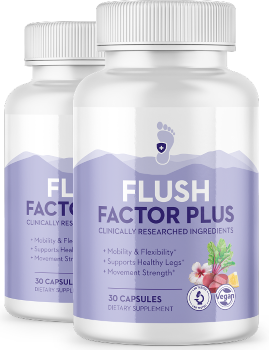
If you are looking for a solution to this daily annoyance, Say goodbye to the heavy legs sensation with Flush Factor Plus, a supplement designed to support healthy circulation and help reduce swelling.
Understanding the nature of Heavy Legs Syndrome is the first step towards finding the right solution. Although often underestimated, this condition can progress and cause complications if left untreated.
The goal of this comprehensive guide is to provide detailed and practical information so you can identify, understand, and most importantly, effectively alleviate this persistent discomfort.
Anatomy and Physiology of Venous Circulation in the Legs
To understand Heavy Legs Syndrome, it’s crucial to review the complex circulatory network in our legs. Blood circulation is a bidirectional system:
oxygen-rich arterial blood and nutrients are pumped from the heart to the lower limbs, and venous blood, now rich in carbon dioxide and metabolic waste, needs to return to the heart against gravity. This venous return is a real challenge and depends on several mechanisms.
- Venous Valves: Veins in the legs have small one-way valves that prevent blood reflux. They open to allow blood to pass towards the heart and close to prevent it from flowing down due to gravity.
- Calf Muscle Pump: Known as the ‘second heart,’ the contraction of the calf muscles during walking or other movements compresses deep veins, pushing blood upwards.
- Fascia and External Compression: The connective tissue surrounding muscles and veins, along with external pressure exerted by shoes and socks, also assists in venous return.
When one or more of these mechanisms fail, blood begins to accumulate in the leg veins, leading to increased venous pressure and the symptoms characteristic of Heavy Legs Syndrome. This accumulation is often the root of the problem and generates a vicious cycle of inflammation and discomfort.
Underlying Causes of Heavy Legs Syndrome
Heavy Legs Syndrome is not a disease in itself, but a set of symptoms that generally point to a dysfunction in the venous circulatory system. Several factors can contribute to its development. Understanding these causes is fundamental to directing treatment and prevention.
Chronic Venous Insufficiency (CVI)
This is the most common cause. CVI occurs when the valves inside the leg veins don’t function correctly, allowing blood to flow backward (reflux) and accumulate in the veins, increasing pressure. Over time, this can lead to varicose veins, chronic swelling, and, in more severe cases, leg ulcers. CVI is a progressive disease that requires medical attention.
Genetic Factors
Genetic predisposition plays a significant role. If your family members have a history of varicose veins, swelling, or circulatory problems, your chances of developing Heavy Legs Syndrome are higher.
Sedentary Lifestyle
Lack of physical activity weakens the calf muscle pump, which is essential for venous return. Professions that require long periods of standing or sitting (such as cashiers, surgeons, truck drivers) are particularly prone to developing these symptoms.
Obesity and Overweight
Excess weight puts additional pressure on the leg veins and impedes proper blood flow, hindering the work of venous valves and the muscle pump. Weight loss can significantly alleviate symptoms.
Pregnancy
During pregnancy, blood volume increases, hormonal levels (especially progesterone) relax vein walls, and the growing uterus exerts pressure on pelvic veins, all contributing to Heavy Legs Syndrome. Symptoms usually improve after childbirth.
Hormonal Changes
Hormonal fluctuations, such as those occurring during the menstrual cycle, use of oral contraceptives, or menopause, can affect vein elasticity and vessel permeability, leading to an increase in the sensation of heaviness and swelling.
Diet and Hydration
A diet rich in sodium and low in fiber, coupled with insufficient water intake, can lead to fluid retention and, consequently, swelling and a feeling of heaviness in the legs. Nutrition plays an important role in vascular health.
Other Medical Conditions
Conditions such as deep vein thrombosis (DVT), heart failure, kidney, or liver diseases can manifest Heavy Legs Syndrome as a secondary symptom. In such cases, treating the primary condition is essential.
Characteristic Symptoms of Heavy Legs Syndrome
The symptoms of Heavy Legs Syndrome vary in intensity but usually include a combination of the following:
- Feeling of Heaviness or Tiredness: The most prominent symptom, especially at the end of the day or after long periods of inactivity or activity.
- Pain and Discomfort: A dull, cramp-like pain, or a ‘burning’ sensation in the legs.
- Swelling (Edema): Mainly in the ankles and feet, which can worsen throughout the day and improve with nightly rest.
- Tingling or Numbness: Abnormal sensations, like ‘pins and needles’.
- Night Cramps: Painful muscle spasms that occur during sleep.
- Itching: Due to dry, sensitive skin caused by poor circulation.
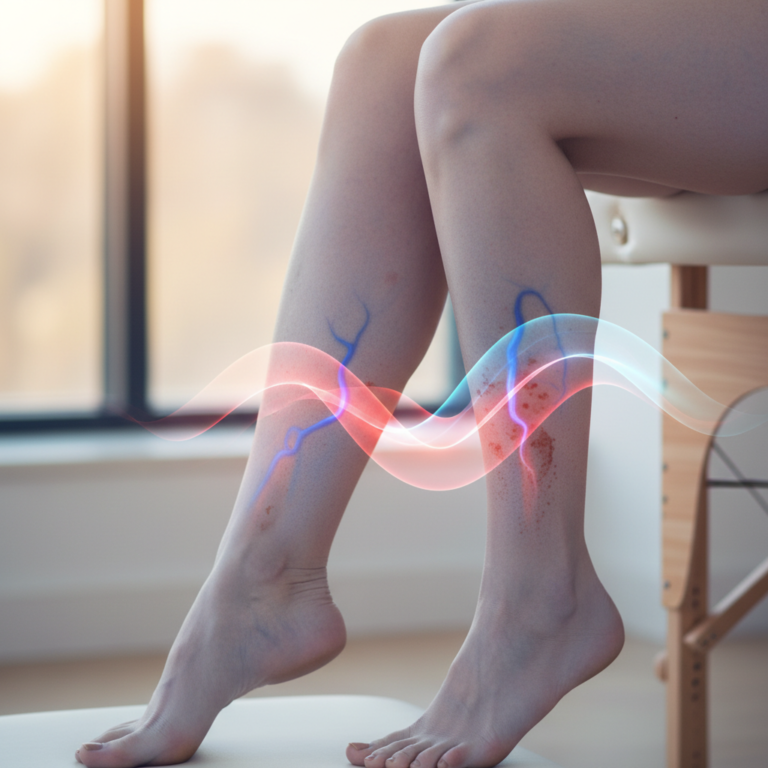
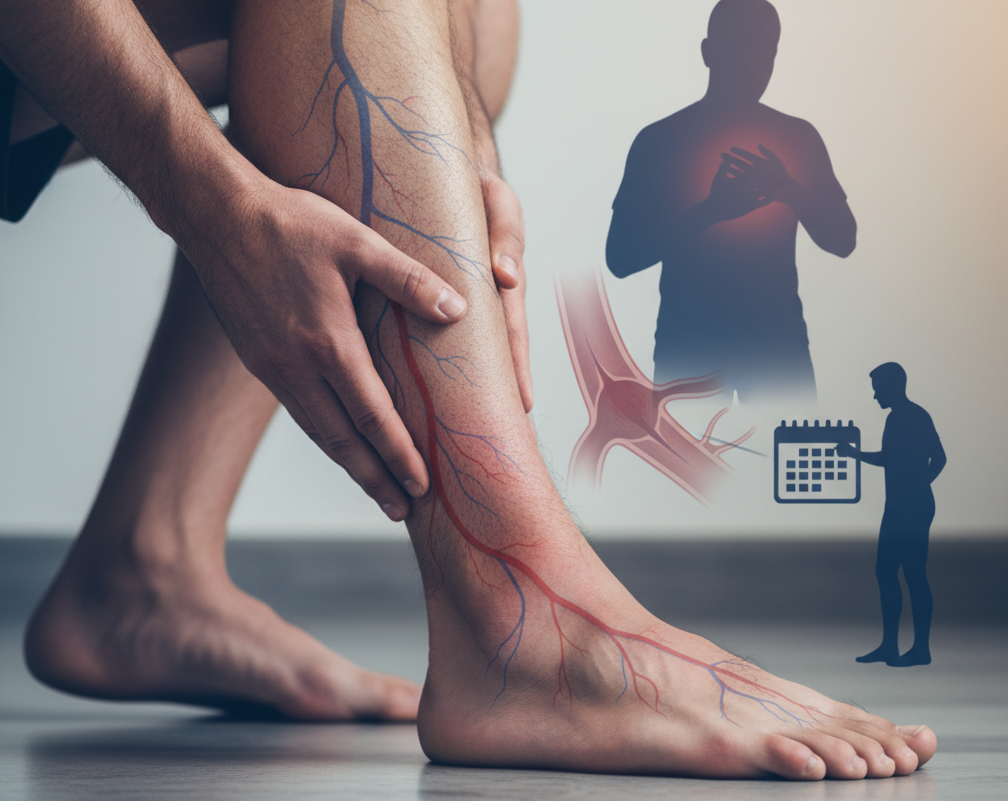
- Visible Varicose Veins: Dilated, tortuous, and blue or purple veins that can be palpable and painful.
- Skin Color Changes: The skin may darken (hyperpigmentation) around the ankles, due to blood leakage into the skin.
- Leg Ulcers: In advanced cases of venous insufficiency, slow-healing wounds may appear, usually near the ankles.
It is important to pay attention to these signs and seek medical advice if they are persistent or worsen. Early detection can prevent more serious complications.
Diagnosis and When to Seek Medical Help
The diagnosis of Heavy Legs Syndrome involves a careful clinical evaluation, including medical history, physical examination, and, if necessary, additional tests.
Clinical History and Physical Examination
Your doctor will ask about your symptoms, family history, lifestyle, and other medical conditions. During the physical exam, they will inspect your legs for swelling, varicose veins, skin changes, and pulses. Pain on palpation or during movement will also be assessed.
Additional Tests
- Venous Duplex Ultrasound: This is the gold standard test for evaluating leg venous circulation. It uses sound waves to create images of the veins and allows the doctor to visualize blood flow, identify clots, assess valve function, and measure vein diameter.
- D-dimer: A blood test that may be ordered to rule out the presence of a blood clot (deep vein thrombosis), especially if there is sudden swelling and severe pain in one leg.
- Computed Tomography (CT) or Magnetic Resonance Imaging (MRI): Rarely necessary, these may be used to investigate less common causes of venous compression.
Seek medical help if symptoms are persistent, worsen, affect only one leg, or if you notice:
- Sudden and intense swelling.
- Severe pain and redness.
- Warm skin to the touch.
- Wounds that do not heal.
- Any concerns about blood clots.
An accurate diagnosis is crucial to determine the underlying cause and initiate the most appropriate treatment.
Strategies for Alleviating Heavy Legs Syndrome
The treatment of Heavy Legs Syndrome is multifaceted and aims to alleviate symptoms, improve circulation, and prevent the condition’s progression. Approaches can range from lifestyle changes to medical interventions.
Therapeutic Compression
Compression stockings are one of the fundamental pillars of treatment. They apply gradual pressure to the legs, strongest at the ankle and decreasing towards the thigh, which helps push blood back to the heart and reduce swelling. There are different compression levels and types of stockings, so a doctor or pharmacist should guide the correct choice.
Leg Elevation
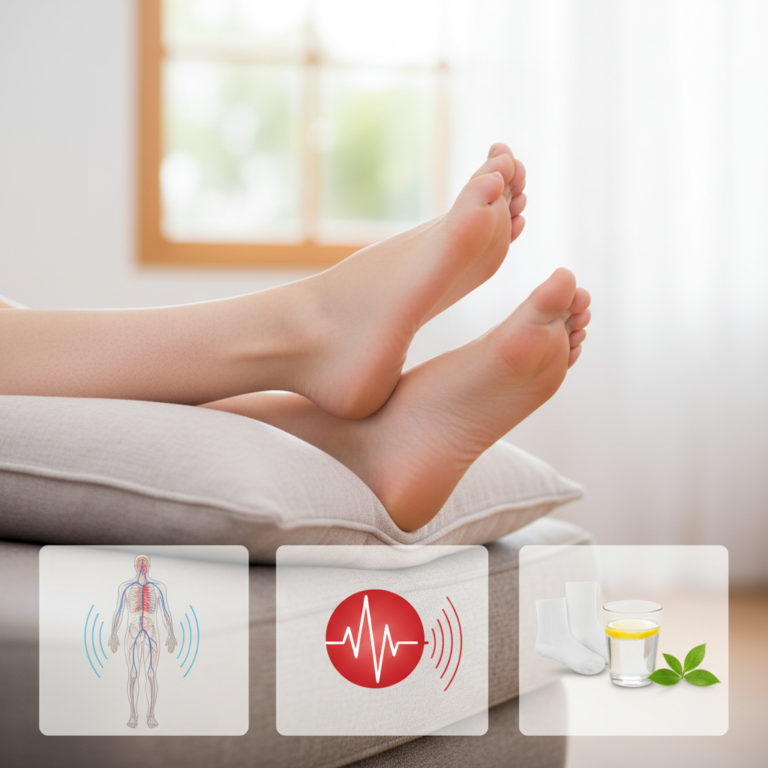
Elevating your legs above heart level for 15-30 minutes, a few times a day, helps drain accumulated blood and reduce swelling. This is particularly effective at the end of the day.
Regular Physical Activity
Exercises such as walking, swimming, cycling, and yoga strengthen the calf muscle pump and improve blood circulation. Avoid standing or sitting for long periods; take breaks to move and stretch.
Hydration and Healthy Diet
- Hydration: Drinking plenty of water helps keep blood fluid and prevent dehydration, which can worsen swelling.
- Diet: A diet rich in fruits, vegetables, and fiber, and low in sodium, can reduce fluid retention and aid in maintaining a healthy weight. Important vitamins and minerals for vascular health include vitamin C, E, and flavonoids.
Foot and Leg Care
Gentle leg massages, from ankle towards the knee, can stimulate circulation. Avoid tight clothing around the waist and ankles that might restrict blood flow. Wear comfortable, supportive shoes.
Medication
In some cases, your doctor may prescribe phlebotonic medications, which are substances that improve the tone and elasticity of vein walls, reducing permeability and swelling. Examples include diosmin and hesperidin.
Medical Interventions for Varicose Veins
If varicose veins are the primary cause and do not respond to conservative treatments, procedures such as sclerotherapy (injecting a substance that closes the vein), laser or radiofrequency ablation (using heat to close the vein), or surgery (phlebectomy or saphenectomy) may be recommended.
For more immediate and complementary relief, many women find Flush Factor Plus a powerful ally. This supplement is formulated to support circulation and eliminate excess fluids, reducing swelling and the sensation of heaviness.
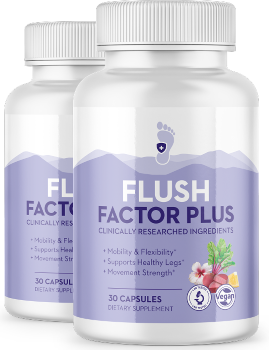
It works from the inside out, offering continuous support for the well-being of your legs. Its natural ingredients work synergistically to optimize the lymphatic and venous system, crucial components in the battle against Heavy Legs Syndrome.
Prevention of Heavy Legs Syndrome
Prevention is always the best medicine. Adopting a healthy lifestyle can significantly reduce the risk of developing Heavy Legs Syndrome or mitigate its symptoms.
- Maintain a Healthy Weight: Excess weight is a modifiable risk factor. Small weight losses can have a big impact.
- Be Regularly Active: Include exercises that activate the calf in your daily routine. Even small breaks to walk and stretch during the workday can make a difference.
- Avoid Standing Still for Prolonged Periods: If your profession requires long periods of standing or sitting, try to change positions frequently, do calf exercises (such as raising and lowering heels), and wear compression stockings.
- Elevate Your Legs When Resting: Use a pillow to elevate your feet and ankles at night.
- Hydrate Adequately: Water is vital for the health of the entire circulatory system.
- Choose Comfortable Clothes and Footwear: Avoid tight belts, very high or very low heeled shoes, and footwear that restricts blood flow.
- Avoid Excessive Heat Exposure: Very hot baths or saunas can dilate veins and worsen symptoms in some people.
- Manage Chronic Conditions: If you have diabetes, hypertension, or other conditions affecting circulation, follow the recommended medical treatment.
- Stop Smoking: Smoking seriously harms the circulatory system and is a significant risk factor for venous and arterial diseases.
The Importance of a Holistic Approach
Effectively treating Heavy Legs Syndrome requires a holistic approach that considers all aspects of your health and lifestyle. There is no ‘magic cure,’ but rather a set of strategies that, when applied consistently, can bring lasting relief.
This includes a combination of:
- Lifestyle Changes: Exercise, diet, weight.
- External Therapeutic Support: Compression stockings, elevation.
- Internal Therapeutic Support: Medications, nutritional supplements like Flush Factor Plus, which work to optimize circulatory and lymphatic function.
Adherence to these practices can not only alleviate existing symptoms but also prevent progression to more severe conditions, such as ulcers or thrombosis.
Specific Cases and Additional Considerations
Heavy Legs Syndrome in Athletes
Although generally associated with sedentary lifestyles, athletes can also experience Heavy Legs Syndrome due to intense stress on muscles and the venous system. Adequate recovery, hydration, use of compression stockings, and massage techniques are crucial in this group.
Psychological Impact
Chronic discomfort and concern about the appearance of varicose veins can have a significant impact on mental health, leading to stress, anxiety, and decreased self-esteem. Recognizing and addressing these aspects is an integral part of global treatment. Psychological and educational support can be beneficial.
Importance of Pediatric Consultation
In children, Heavy Legs Syndrome is rare but can be a symptom of underlying conditions such as rapid growth, nutritional deficiencies, or congenital problems. Consultation with a pediatrician is essential for accurate diagnosis and treatment.
Conclusion: Reclaim the Comfort and Lightness of Your Legs
Heavy Legs Syndrome is a common problem, but it doesn’t have to be a life sentence. With the correct understanding of its causes and the application of effective strategies, it’s possible not only to alleviate symptoms but also to significantly improve your quality of life.
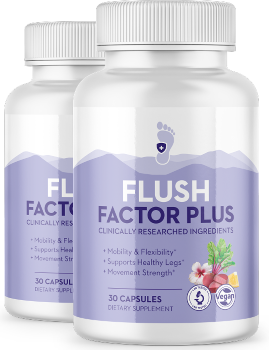
From simple lifestyle changes to the support of products like Flush Factor Plus, which acts naturally, complementing your efforts, you have the power to say goodbye to discomfort. Remember that consistency is key.
Combine regular exercise, a balanced diet, adequate hydration, and, if necessary, the use of compression stockings and supplements that promote venous health. Don’t wait for symptoms to worsen.
Consult a healthcare professional for an accurate diagnosis and a personalized treatment plan. Take charge of your venous health and rediscover lightness and well-being in your legs.