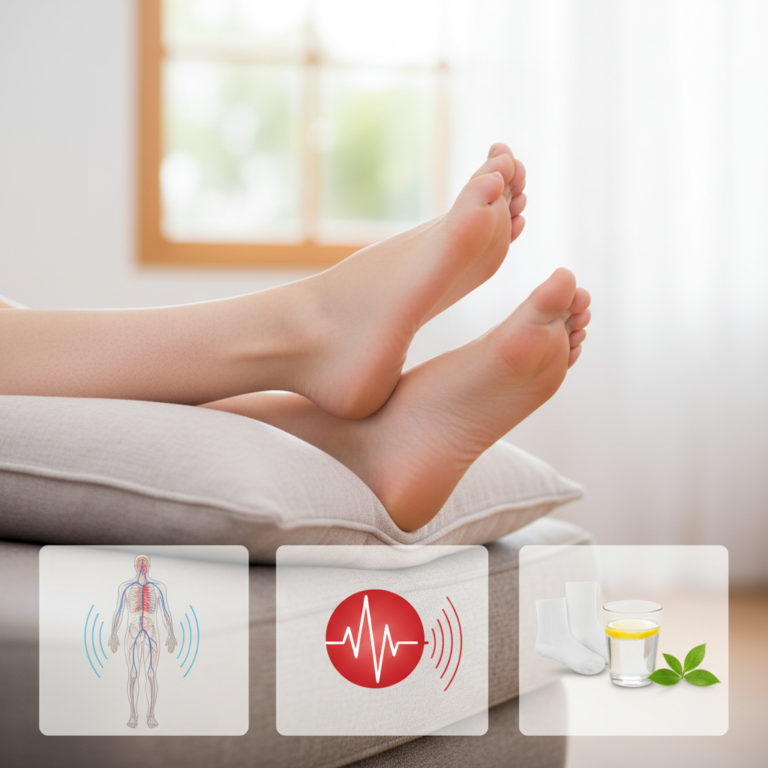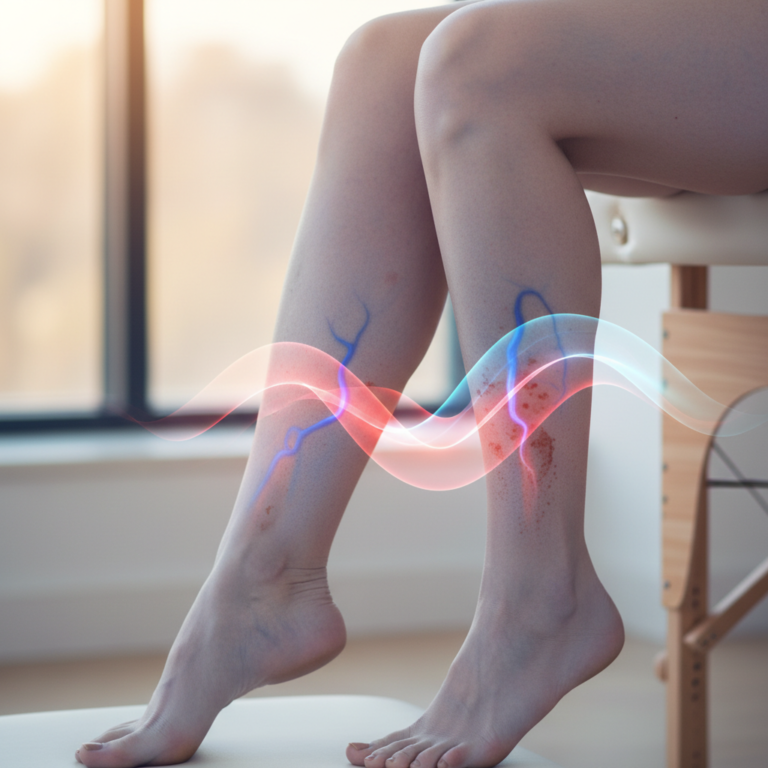

Have you ever experienced swollen feet at night, accompanied by a heavy, uncomfortable sensation that seems to worsen by the end of the day?
This is a common issue affecting millions of people, especially women, and can indicate various underlying problems, ranging from daily habits to more serious health conditions.
Understanding the causes behind nocturnal foot swelling is the first step toward finding relief and improving your quality of life. In this article, we will delve deep into why your feet swell as night falls and, more importantly, what you can do to reduce this discomfort.
Swelling, clinically known as edema, occurs when there is an excessive accumulation of fluid in the body’s tissues. In the feet and ankles, gravity plays a significant role, pulling fluid downwards throughout the day, especially after long periods of standing or sitting.
The discomfort can range from a mild feeling of tightness to significant pain, making it difficult even to wear normal shoes. But nocturnal swelling is not just a matter of fatigue or gravity; it can be a sign that something deeper is happening in your body. Let’s uncover the mysteries behind swollen feet at night together.
If you’re looking for a natural solution to nighttime discomfort, consider Flush Factor Plus, a supplement designed to support healthy circulation and help eliminate excess fluids. It can be an important ally in your journey to lighter, more comfortable feet.
👉 Learn more about Flush Factor Plus here
Understanding Edema: Why Your Feet Swell
Before diving into the specific causes of swollen feet at night, it’s crucial to understand what edema is and how it manifests. Edema is the accumulation of fluid in the interstitial spaces (between cells and outside blood vessels) of the body.
Although it can affect any part of the body, it is most noticeable in the extremities, such as feet, ankles, and legs, due to the action of gravity. There are two main types of edema that can contribute to swollen feet at night:
- Peripheral edema: Affects the extremities, being most common in the feet and legs.
- Generalized edema: Rarer, it affects the entire body and is usually a sign of a serious medical condition.
The human body is composed of about 60% water, and this water is constantly moving between blood vessels, lymphatic vessels, and tissues. A delicate balance is maintained by various mechanisms, including hydrostatic pressure (pressure pushing fluid out of vessels) and oncotic pressure (pressure pulling fluid back into vessels, primarily due to blood proteins).
When this balance is disturbed, fluid can leak from blood vessels into surrounding tissues, resulting in swelling. In the case of swollen feet at night, the upright position throughout the day and reduced circulation during rest can exacerbate this accumulation.
Blood Circulation and the Role of Swollen Feet
Blood circulation plays a fundamental role in the origin of swollen feet at night. Our veins are responsible for carrying blood back to the heart, overcoming gravity, especially in the lower extremities. Small valves within the veins ensure that blood flows in a single direction, preventing backflow.
However, if these valves are damaged or if the force with which blood returns is insufficient, accumulation can occur. This is particularly common after a day of working while standing or sitting, where the calf (the “second heart” that helps pump blood) does not contract enough to propel blood back.
Understanding this dynamic is essential to treating the root cause of swollen feet at night and not just its symptoms.
Swollen Feet at Night: Main Causes and Risk Factors
Various factors and conditions can contribute to the onset of swollen feet at night. Identifying the underlying cause is crucial for effective treatment. Here, we explore the most common reasons:
1. Gravity and Prolonged Inactivity
The most direct and common cause of swollen feet at night is the combination of gravity with long periods of standing or sitting. When you spend many hours in one position, gravity pulls blood and other fluids into your legs and feet.
The lack of muscle movement (especially calf muscles) means the venous system struggles to pump blood back to the heart, leading to fluid accumulation. This is often observed in:
- Professionals who work standing (surgeons, hairdressers, salespeople).
- People with office jobs who spend long hours sitting.
- Long flights or car trips.
2. Fluid Retention (Idiopathic Edema)
Fluid retention is a frequent cause of swollen feet at night, especially in women. It can be influenced by:
- Hormones: Hormonal fluctuations during the menstrual cycle, pregnancy, menopause, or contraceptive use can lead to fluid retention. The body tends to retain more sodium and water during these phases.
- Diet: Excessive sodium intake can cause the body to retain water to dilute the salt. Processed and high-sodium foods are major culprits.
- Medications: Some medications, such as nonsteroidal anti-inflammatory drugs (NSAIDs), certain blood pressure medications (like calcium channel blockers), corticosteroids, and antidepressants, can have fluid retention as a side effect.
3. Chronic Venous Insufficiency
Venous insufficiency is a condition where the valves inside the leg veins do not function properly, allowing blood to flow backward and pool in the veins. This increases pressure in the veins, causing fluid to leak into the surrounding tissues.
It is one of the most prevalent causes of swollen feet at night and can lead to varicose veins, skin changes, and, in severe cases, ulcers. Gravity exacerbates this condition during the day.
4. Heart Failure
If the heart is not pumping blood effectively, it may struggle to send oxygenated blood to the body and receive blood back from the extremities. This can lead to fluid accumulation in the lungs and other parts of the body, including the feet and ankles.
Swelling associated with heart failure is usually bilateral and may be accompanied by shortness of breath, fatigue, and coughing. It is a serious cause that requires immediate medical attention.
5. Chronic Kidney Disease
Kidneys are responsible for filtering excess fluids and waste products from the blood. When kidneys do not function properly, the body can retain salt and water, leading to swelling, especially in swollen feet at night, hands, and face. Kidney disease can be asymptomatic for a long time, and swelling may be one of the first visible signs.
6. Liver Disease (Cirrhosis)
The liver produces albumin, a protein that helps keep fluid in the blood vessels. In advanced liver diseases, such as cirrhosis, the liver may not produce enough albumin, resulting in decreased oncotic pressure and fluid leakage into tissues, causing swelling, ascites (fluid accumulation in the abdomen), and swollen feet at night.
7. Lymphedema
Lymphedema is swelling caused by a failure of the lymphatic system, which is responsible for draining excess fluids from tissues. It can be primary (congenital) or secondary (caused by surgery, radiation therapy, infection, or trauma). The swelling tends to be more asymmetrical and progressive, initially affecting the swollen feet at night and progressing up the leg. It differs from venous edema, being more difficult to treat.
8. Blood Clots (Deep Vein Thrombosis – DVT)
A blood clot in a deep vein (usually in a leg) can block blood flow, causing sudden swelling, pain, redness, and tenderness. DVT is a medical emergency because the clot can break loose and travel to the lungs (pulmonary embolism). If you notice sudden, painful, unilateral swelling, seek immediate medical attention.
9. Pregnancy
During pregnancy, a woman’s blood volume increases, and hormones relax blood vessel walls, decreasing circulation efficiency. Additionally, the growing uterus can exert pressure on pelvic veins and the inferior vena cava, hindering blood return from the legs. This is a common cause of swollen feet at night in pregnant women, usually harmless, but it should be monitored by a doctor to rule out preeclampsia.
10. Other Conditions and Less Common Causes
- Thyroid diseases: Hypothyroidism can cause generalized swelling.
- Allergic Reactions: Sudden, localized swelling.
- Injuries or infections: Local inflammation causing swelling.
- Neoplasms: Tumors that can obstruct lymphatic or blood vessels.
It is essential to consult a doctor if the swelling is persistent, unilateral, painful, accompanied by other symptoms, or if there is suspicion of any serious condition. An accurate diagnosis is key to appropriate treatment for swollen feet at night.
Swollen Feet at Night: Warning Signs and When to Seek Medical Help
While swollen feet at night can be harmless in many cases, it is crucial to be aware of certain signs that indicate the need to seek medical attention immediately. Ignoring these symptoms can have serious health consequences. Here are the warning signs:
- Sudden, unilateral swelling: If only one foot or leg swells suddenly and painfully, this could be a sign of deep vein thrombosis (DVT), a medical emergency.
- Severe pain or tenderness to the touch: Swelling accompanied by intense pain, redness, and warmth in the affected area.
- Fever: Swelling with fever may indicate an infection.
- Shortness of breath or difficulty breathing: If swelling is associated with breathing problems, it may indicate heart failure or pulmonary embolism.
- Chest pain: Another warning sign for heart or lung problems.
- Persistent swelling: If the swelling does not improve with rest, elevation, or other simple measures.
- Tight, shiny, or discolored skin: May indicate severe inflammation or significant circulatory problems.
- Non-healing ulcers or wounds: A common sign of advanced chronic venous insufficiency.
- History of heart, kidney, or liver disease: If you already have any of these conditions, swelling may indicate a worsening.
- Swelling after an injury: Even if it seems minor, an injury can cause significant swelling and requires evaluation.
Remember: when in doubt, it is always best to consult a healthcare professional. Early diagnosis can be crucial for managing the cause of your swollen feet at night and preventing complications.
Your doctor can perform physical examinations, order blood tests, ultrasound (to check for DVT or venous insufficiency), or other specific tests to determine the origin of the problem and recommend appropriate treatment.
Strategies to Reduce Swollen Feet at Night and Relieve Discomfort
Dealing with swollen feet at night can be exhausting, but there are several effective strategies you can adopt to reduce swelling and improve your comfort. We will cover everything from lifestyle changes to the use of specific supplements.
1. Lifestyle Changes and Daily Habits
Small changes in your routine can make a big difference in reducing swollen feet at night:
- Elevate your feet: When lying down, elevate your feet above heart level using pillows. Doing this for 15-20 minutes, several times a day, can help drain accumulated fluid.
- Move regularly: Avoid standing or sitting for long periods. If your job requires it, take regular breaks to walk and stretch. Simple ankle flexion and extension movements can stimulate circulation.
- Light exercises: Walking, swimming, or cycling can strengthen calf muscles and improve circulation, aiding blood return to the heart.
- Adequate hydration: Contrary to what you might think, drinking plenty of water helps the body not retain fluids, as it signals that there is no need to conserve water.
- Balanced diet: Reduce sodium intake (chips, processed foods). Increase intake of potassium-rich foods (bananas, potatoes, avocados) which help balance fluid levels. Natural diuretic vegetables and fruits like watermelon, cucumber, and celery are also beneficial.
- Weight control: Excess weight puts additional pressure on leg veins and can hinder circulation, contributing to swollen feet at night. Losing weight can significantly alleviate the problem.
- Avoid tight clothing: Very tight pants, socks, or shoes can restrict circulation and worsen swelling. Opt for comfortable, loose-fitting clothing, especially on your legs and feet.
2. Specific Therapies and Products
In addition to lifestyle changes, there are products and therapies that can complement your plan to combat swollen feet at night:
- Compression stockings: These stockings apply gradual pressure to the legs, helping to push fluid upward and prevent accumulation in the feet and ankles. They are especially useful for people who stand or sit for long periods. Consult a doctor or pharmacist to choose the correct compression level.
- Massage: A gentle massage on the feet and legs, always toward the heart, can help move accumulated fluid out of swollen tissues.
- Foot soaks: Soaking your feet in warm water with some Epsom salt can provide temporary relief from swelling and pain.
- Hydrotherapy: Water pressure in a pool or bathtub can have a gentle compression effect that helps reduce swelling.
For those seeking internal and natural support in combating swollen feet at night and fluid retention, Flush Factor Plus is an excellent option. Developed with selected ingredients to support healthy circulation and the elimination of excess fluids, it works from the inside out, promoting daily comfort.
👉 Discover how Flush Factor Plus can help you!
3. Natural Supplements and Herbal Remedies
Some supplements and herbs are known for their diuretic and anti-inflammatory properties, potentially aiding in the reduction of swollen feet at night. However, it is crucial to consult a doctor before starting any supplement, especially if you have pre-existing medical conditions or are taking other medications.
- Potassium: Helps balance sodium and fluid levels in the body. Can be obtained through diet or supplements.
- Magnesium: Known for its relaxing effects and can help regulate body fluids.
- Dandelion: A natural diuretic that helps the body eliminate excess fluids.
- Parsley: Another mild natural diuretic.
- Green tea: Contains antioxidants and may have a mild diuretic effect.
- Grape seed extract: Known for strengthening blood vessels and improving circulation.
Flush Factor Plus is formulated with a synergistic combination of ingredients designed specifically for these benefits, offering a holistic approach to relieving nocturnal swelling. Its composition is designed to address the root of the problem, assisting in fluid drainage and venous comfort.
It is a natural and practical alternative for women suffering from retention, heavy legs, or the discomfort of swollen feet at night, providing support from the inside out.
4. Personal Care and Well-being
Stress management and overall well-being also play a role. Stress can affect hormonal balance and lead to fluid retention. Practices like meditation, yoga, or simply taking time to relax can be beneficial. Good, restorative sleep is also fundamental, as it allows the body to recover and rebalance fluids.
Combining these strategies can provide significant and lasting relief for your swollen feet at night. Always remember the importance of an integrated approach, where lifestyle, therapies, and, if necessary, medical advice work together for your well-being.
Impact of Swollen Feet at Night on Quality of Life
Swollen feet at night are more than just an aesthetic nuisance; they can have a significant impact on people’s quality of life. The discomfort and pain associated with persistent swelling can affect various areas of daily life, from the simplest activities to emotional well-being.
Physical Difficulties and Restrictions
- Reduced mobility: Pain and heaviness in the feet and legs can make walking, exercising, and even maintaining balance difficult. This can lead to inactivity, which, in turn, worsens swelling, creating a vicious cycle.
- Footwear problems: Finding comfortable and appropriate shoes becomes a challenge. Many people need to buy larger-sized or specialized shoes, which can be expensive and limiting.
- Sleep disruption: The sensation of heavy legs, pain, and swelling can make sleep difficult, leading to insomnia and daytime fatigue. The lying position, which should bring relief, often only exposes the problem accumulated during the day.
- Discomfort when walking: Every step can become painful, making daily activities like going to work, shopping, or socializing an arduous task.
- Risk of skin lesions: Skin stretched and under pressure due to continuous swelling can become thinner, drier, and prone to cracks, infections, and ulcers, especially in cases of chronic venous insufficiency or lymphedema.
Emotional and Social Impact
- Stress and anxiety: Constant worry about health, physical pain, and the frustration of not being able to perform daily activities can lead to elevated levels of stress and anxiety.
- Low self-esteem: The appearance of swollen feet and legs can affect self-image and confidence, especially in social settings or situations requiring leg exposure.
- Social isolation: Pain and discomfort can cause people to avoid social events, group exercises, or leisure activities, leading to isolation and loneliness.
- Limitations in professional life: Depending on the profession, swollen feet at night can impact work capacity, leading to reduced productivity or even inability to perform certain functions.
Recognizing the multifaceted impact of swollen feet at night on quality of life is the first step toward seeking effective solutions. It’s not just about treating a physical symptom but about restoring overall well-being and the ability to live a full and active life.
With the right strategies – combining lifestyle changes, natural support like Flush Factor Plus, and, when necessary, medical guidance – it is possible to mitigate these impacts and regain control of your health and comfort.
Preventing Swollen Feet at Night: Proactive Measures
Preventing swollen feet at night is as important as treating them. Adopting a proactive approach can significantly reduce the frequency and intensity of swelling. Here are some of the best preventive measures you can incorporate into your daily life:
1. Maintain an Active Lifestyle
Regular physical activity is one of the most effective defenses against fluid accumulation in the extremities. Exercise works in several ways:
- Stimulation of the calf muscle pump: When walking, running, or cycling, calf muscles contract, pushing blood and lymphatic fluid back upward, against gravity.
- Improved general circulation: Regular exercise strengthens the cardiovascular system, making the heart more efficient at pumping blood.
- Weight control: Maintaining a healthy weight reduces pressure on leg veins and the circulatory and lymphatic systems.
Try to incorporate at least 30 minutes of moderate aerobic activity on most days of the week. Even short breaks to walk during the workday can make a difference.
2. Diet and Hydration Management
- Sodium reduction: Excess sodium is one of the biggest contributors to fluid retention. Avoid processed foods, cured meats, salty snacks, and ready meals. Cook more at home to control salt intake.
- Potassium increase: Potassium-rich foods like bananas, avocados, sweet potatoes, spinach, and beans help balance electrolytes and can aid in eliminating excess sodium.
- Constant hydration: Drink enough water throughout the day. This may seem counterintuitive, but dehydration can cause the body to retain more fluids. Plain water is the best option, but herbal teas (like green tea or dandelion) can also be helpful.
- Avoid excessive alcohol: Alcohol can dehydrate the body and affect fluid regulation, increasing the risk of swollen feet at night.
3. Posture and Ergonomics at Work
For those who spend many hours sitting or standing:
- Regular breaks: Every hour, get up, walk for a few minutes, and do simple foot and ankle stretches.
- Foot elevation: If sitting, use a footrest to keep your feet slightly elevated.
- Proper posture: Avoid crossing your legs, which can restrict blood flow.
- Compression stockings: If your job requires long periods of standing, consider wearing graduated compression stockings during the day to aid circulation.
4. Clothing and Footwear Care
- Comfortable clothes: Avoid tight clothing, especially around the waist, thighs, and ankles, which can hinder circulation.
- Appropriate footwear: Wear comfortable, supportive shoes, especially if you need to stand for long periods. Avoid tight shoes or high heels that can compromise circulation in the feet.
5. Medical Condition Management
If you have an underlying medical condition that contributes to swollen feet at night (such as venous, cardiac, or renal insufficiency), it is crucial to manage it properly with your doctor. Following medical advice and your treatment plan is the best way to prevent symptom worsening.
6. Strategic Supplementation
Considering a healthier lifestyle, supplementation can be an excellent ally. Flush Factor Plus is a product designed to help maintain fluid balance and support circulatory health. Incorporating it into your routine can be a proactive measure to minimize the risk of swollen feet at night, especially for women who are more prone to fluid retention.
It works by providing nutrients that support the elimination of excess water and venous health, working synergistically with other preventive measures.
👉 Learn more about the benefits of Flush Factor Plus here!
By implementing these preventive measures, you will not only be combating swollen feet at night but also promoting better overall health and a higher quality of life. It’s an investment in your well-being that will yield significant returns. Remember, consistency is key to seeing results.
Conclusion: Regaining Comfort for Your Feet
Dealing with swollen feet at night can be a significant burden, impacting not only physical comfort but also sleep quality, mobility, and even emotional well-being.
As we’ve explored in this comprehensive guide, the causes are varied, ranging from daily habits and lifestyle factors to more complex health conditions. The key to finding relief lies in deeply understanding these causes and adopting a multifaceted approach to treatment and prevention.
From simple foot elevation and regular exercise to diet management and paying attention to warning signs that require medical attention, every step is crucial.
The importance of adequate hydration, wearing compression stockings, and choosing comfortable footwear cannot be overstated. Adopting a more active and conscious lifestyle is, undoubtedly, the foundation for combating swollen feet at night and enjoying lighter, more comfortable legs.
For women seeking additional and natural support to combat fluid retention and daily discomfort, Flush Factor Plus emerges as a promising solution. Designed to support healthy circulation and the elimination of excess fluids, it offers internal support, complementing lifestyle changes.
By integrating a quality supplement like Flush Factor Plus into your routine, you can take a significant step towards more comfortable feet and a life with less swelling.
Remember, your swollen feet at night don’t have to be a permanent condition. With information, self-care, and, when necessary, professional and supplementary support, it is perfectly possible to regain comfort and lightness.
Start applying these strategies today and feel the difference that dedicated care can make for your well-being. Don’t hesitate to seek medical advice for an accurate diagnosis and a personalized treatment plan. Your body will thank you!