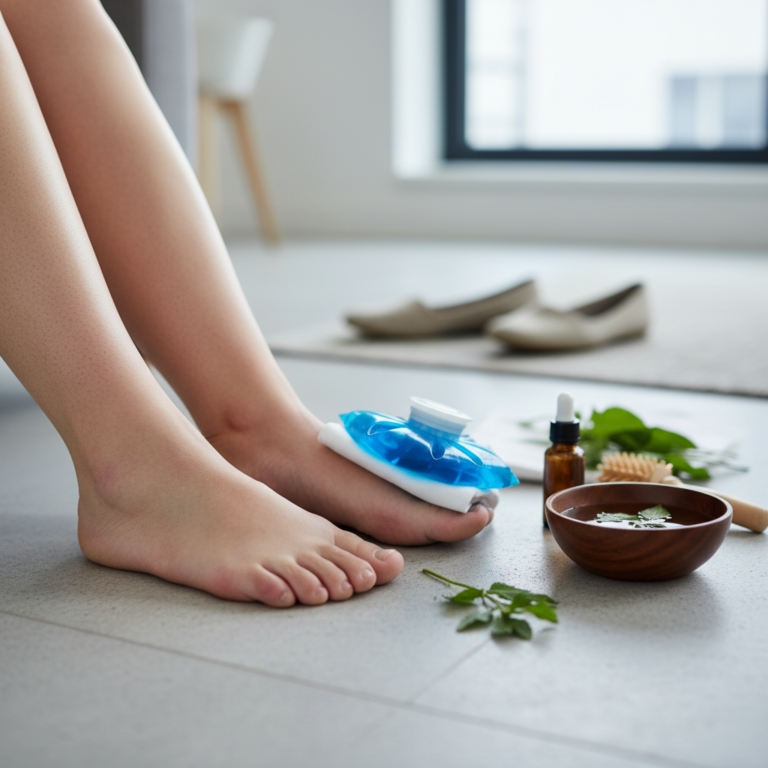

Leg swelling in women over 40 is a common complaint, often underestimated, but one that can significantly impact quality of life. That feeling of heavy legs, swollen ankles at the end of the day, or difficulty wearing shoes that once fit perfectly are warning signs.
Understanding the underlying causes and effective solutions is crucial for maintaining health and well-being during this phase of life.
As women move into their 40s and beyond, the body undergoes various transformations. The gradual decrease in estrogen levels, slower metabolism, and demands of modern life combine to create a conducive scenario for fluid accumulation and circulation deficiencies.
This article will unravel the mysteries behind leg swelling, offering a comprehensive guide to its causes and, more importantly, strategies to combat it effectively.
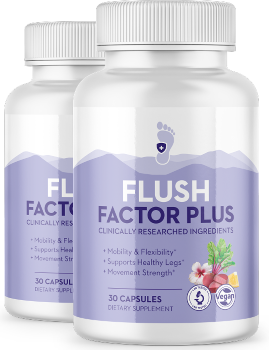
👉 After 40, your circulation needs extra support. Flush Factor Plus was made for just that. Learn more about Flush Factor Plus here.
Why Does Leg Swelling Increase After 40?
The age of 40 marks the beginning of a significant hormonal transition for many women: perimenopause, which precedes menopause. Hormonal fluctuations, particularly the drop in estrogen levels, play a central role in the predisposition to swelling.
- Hormonal Changes: Estrogen influences the regulation of body fluids and the elasticity of blood vessels. With its decrease, there can be greater sodium and water retention, and vessel walls may become less resistant, hindering venous return.
- Aging Circulatory System: With age, the valves inside the leg veins, which help propel blood back to the heart, can weaken. This leads to blood pooling in the legs, increasing pressure and forcing fluid into the surrounding tissues.
- Sedentary Lifestyle: Modern life often imposes long hours of sitting or standing. Lack of regular movement prevents the muscle action that aids in pumping blood and lymph in the legs, contributing to fluid accumulation.
- Diet and Hydration: A diet rich in sodium and processed foods, coupled with low water intake, can unbalance the body’s electrolyte balance, favoring fluid retention.
- Other Medical Conditions: Diseases such as hypertension, hypothyroidism, kidney or heart failure, and specific medications can also be contributing factors to leg swelling in women over 40.
Main Causes and Risk Factors of Swelling
Understanding the specific causes is the first step to finding the right solution. Several conditions can contribute to swelling:
1. Chronic Venous Insufficiency (CVI)
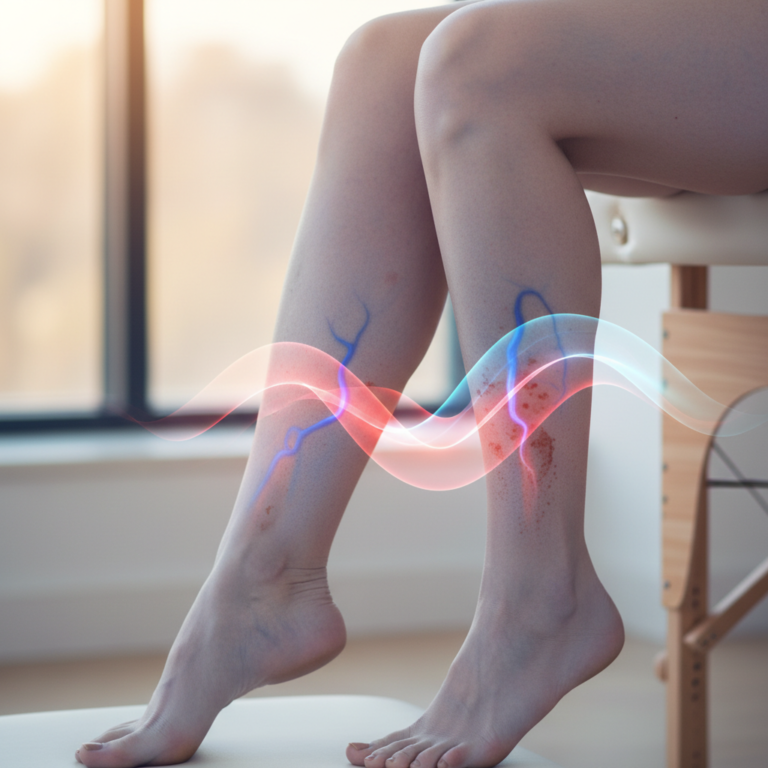
CVI is one of the most common causes of leg swelling. It occurs when leg veins do not function effectively, preventing blood from returning to the heart. This causes blood to pool in the legs, resulting in swelling, pain, a feeling of heaviness, and in more advanced cases, varicose veins and skin changes.
- Risk factors for CVI: Advanced age, family history, obesity, previous pregnancies, long periods of standing or sitting.
2. Lymphedema
Lymphedema is swelling caused by a blockage in the lymphatic system, a network of vessels that carry lymph fluid (rich in proteins and waste products) back to the bloodstream. When lymphatic vessels are damaged or absent, fluid accumulates, causing swelling.
Women who have undergone breast cancer surgery with lymph node removal in the groin or radiation therapy in the pelvic region may develop lymphedema in the legs.
3. Pre-Menstrual and Perimenopausal Fluid Retention
While pre-menstrual swelling is well-known, the hormonal fluctuations of perimenopause can intensify this symptom. The instability of estrogen and progesterone levels affects sodium and water balance, culminating in generalized or localized swelling, most frequently in the legs.
4. Medication Side Effects
Several medications can have swelling as a side effect. Some examples include:
- Non-steroidal anti-inflammatory drugs (NSAIDs)
- Calcium channel blockers (used for high blood pressure)
- Hormones (such as those used in hormone replacement therapy)
- Corticosteroids
- Certain antidepressants
It is essential to discuss with your doctor any medications you are taking and whether they may be contributing to swelling.
5. Heart, Kidney, or Liver Conditions
Kidney, heart, or liver problems can lead to generalized fluid accumulation in the body, including the legs. If swelling is accompanied by shortness of breath, extreme fatigue, chest pain, or altered urine, seek immediate medical attention.
6. Long Periods of Standing or Sitting
Gravity exerts constant pressure on the legs. If you spend long hours without moving, whether at work or traveling, blood has a harder time returning to the heart, resulting in leg swelling in women over 40 at the end of the day.
Effective Solutions to Relieve Leg Swelling
Fortunately, many strategies can help alleviate and prevent leg swelling. The ideal approach usually involves a combination of lifestyle changes, home treatments, and in some cases, medical interventions.
1. Leg Elevation and Compression
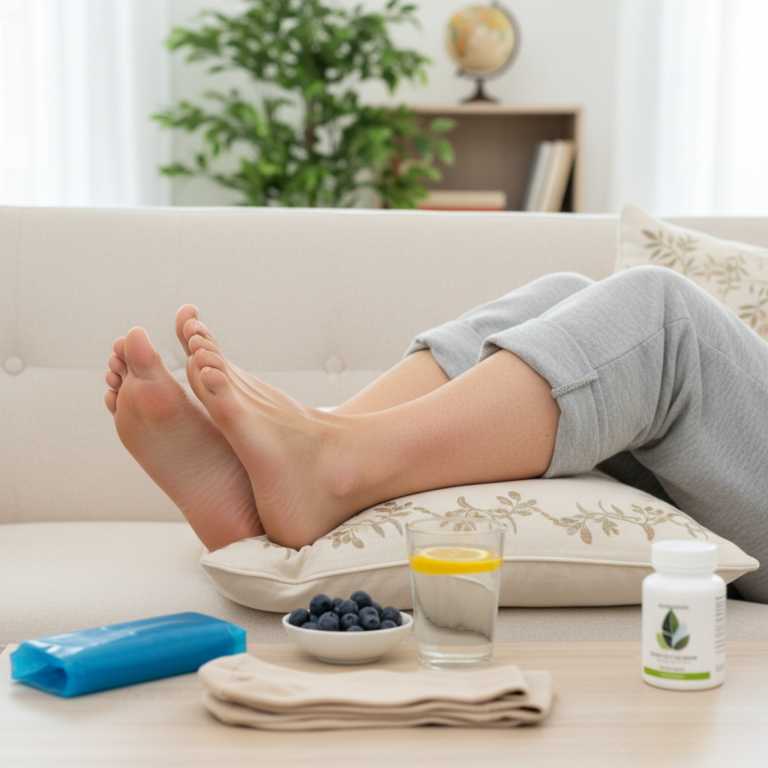
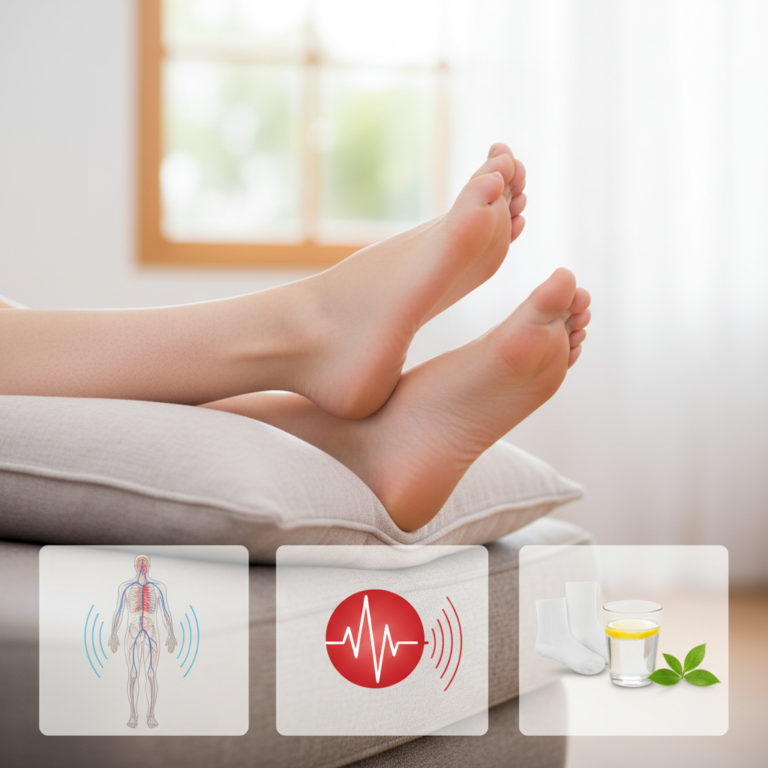
One of the simplest and most effective ways to reduce swelling is to elevate your legs above heart level. Do this for 15 to 20 minutes several times a day, by lying down and resting your legs on pillows.
Graduated compression stockings are also excellent, as they apply pressure to the lower legs, aiding venous return and preventing fluid accumulation.
2. Regular Physical Activity
Exercise is vital for circulatory health. Walking, swimming, cycling, and yoga are great options, as they activate the calf muscles, which act as a “second pump” for the circulatory system. Just 30 minutes of moderate activity most days of the week can make a big difference.
3. Adequate Hydration and Balanced Diet
Drinking plenty of water may seem counter-intuitive for fluid retention, but it is fundamental. Dehydration signals the body to retain fluids.
Furthermore, a low-sodium diet, rich in potassium (found in bananas, avocados, sweet potatoes) and magnesium (found in dark leafy greens, nuts) helps balance electrolytes and reduce swelling.
4. Massage and Manual Lymphatic Drainage
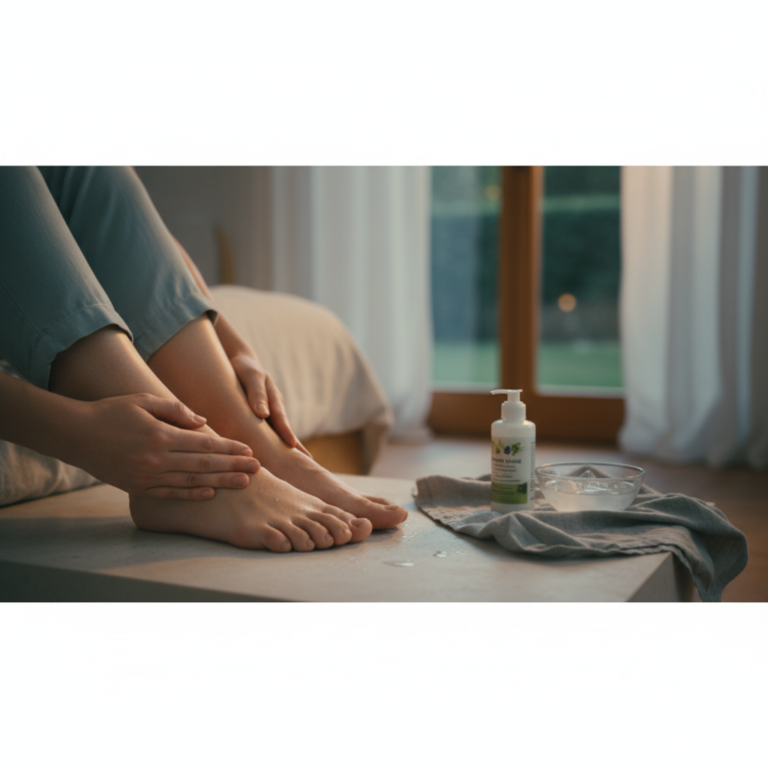
A gentle massage on the legs, performed in upward strokes towards the heart, can improve circulation. Manual lymphatic drainage, performed by a trained therapist, is even more effective at moving excess lymphatic fluid and reducing swelling.
5. Weight Management
Excess weight places additional stress on the circulatory and lymphatic systems, contributing to swelling. Maintaining a healthy weight through diet and exercise can significantly reduce pressure on the legs and improve circulation.
👉 Feel your legs light and full of life again. Discover how Flush Factor Plus can help you. Learn more about Flush Factor Plus here.
6. Natural Supplements and Phytoactives
Some supplements can help reduce leg swelling in women over 40. Ingredients like horse chestnut extract, centella asiatica, and diosmin/hesperidin are known to strengthen veins and improve blood flow. Natural diuretics such as hibiscus tea, horsetail, or dandelion can also be useful, but should be used in moderation and under medical supervision.
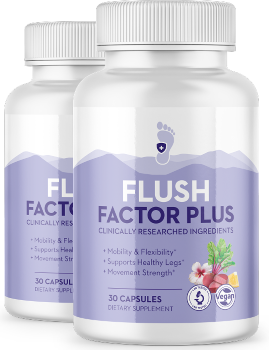
Flush Factor Plus is an example of a supplement developed with specific natural ingredients to support healthy circulation and aid in the elimination of excess fluids. It aims to provide relief for those suffering from fluid retention and heavy legs, offering support from the inside out.
7. Avoid Extreme Temperatures and Tight Clothing
Excessive heat can dilate blood vessels and worsen swelling. Avoid very hot baths and prolonged exposure to intense sun. Tight clothing, especially around the waist, hips, and thighs, can also restrict blood and lymphatic flow, worsening the condition.
When to Seek Medical Help?
While occasional leg swelling can be managed with home remedies, it’s important to be aware of warning signs that require medical evaluation:
- Sudden and unilateral swelling (only in one leg).
- Redness, warmth, or tenderness in the swollen leg (may indicate deep vein thrombosis).
- Swelling accompanied by chest pain, shortness of breath, dizziness, or confusion.
- Swelling that does not improve with home measures after several days.
- Swelling accompanied by open sores or ulcers on the skin.
- Swelling that progressively worsens.
A doctor can diagnose the underlying cause of the swelling and recommend the most appropriate treatment, which may include medication, compression therapy, specific treatments for varicose veins, or other interventions.
Impact of Lifestyle and Daily Habits
Leg swelling in women over 40 is often a reflection of daily choices and habits. Longevity and quality of life are intrinsically linked to how we care for our bodies. Small changes can lead to big results.
Stress Management
Chronic stress can affect hormones and circulation. Relaxation techniques such as meditation, yoga, and breathing exercises can help reduce cortisol levels, a stress hormone that can influence fluid retention.
Movement Breaks
If your job requires you to sit or stand for long periods, take regular breaks to walk and stretch your legs. If sitting, perform ankle flexion and extension movements and foot rotations to activate the calf muscle “pump.”
Footwear Choice
Comfortable and supportive footwear is crucial. Avoid very high heels or overly tight shoes, which can hinder circulation and aggravate swelling. Shoes with cushioned soles and adequate toe space are ideal.
Understanding the Role of Hormones and Menopause
The transition to menopause is a watershed moment for many women. The drop in estrogen not only affects bone density and mood but also the vascular system and water regulation. Estrogen has a vasodilatory effect and is protective of blood vessel walls.
Its decrease can lead to increased capillary permeability, facilitating fluid extravasation into tissues and, consequently, swelling. Furthermore, hormonal changes can impact renal function and sodium regulation, factors that directly contribute to fluid retention.
It is important to discuss hormone replacement therapy (HRT) with your doctor if menopausal symptoms, including swelling, are severe. While HRT can alleviate many symptoms, in some women, it may itself have fluid retention as a side effect, requiring careful adjustment.
Long-Term Prevention Strategies
Prevention is always better than cure. For women over 40, adopting a proactive approach can help keep leg swelling in women over 40 under control.
- Regular Check-ups: Annual visits to your doctor to monitor blood pressure, kidney function, thyroid function, and hormone levels are essential.
- Diet Monitoring: Keep a food diary to identify patterns and foods that may worsen swelling. Reduce processed foods, cured meats, and fast food.
- Focus on Gut Health: A healthy gut absorbs nutrients more efficiently and helps eliminate toxins. A diet rich in fiber, probiotics, and prebiotics is beneficial.
- Quality Sleep: Adequate sleep (7-9 hours per night) is crucial for body recovery and hormonal regulation. Sleep deprivation can lead to imbalance and aggravate swelling.
The Role of Phytotherapy and Natural Products
Nature offers various resources that can be allies in combating swelling. Ingredients like green tea, with its diuretic and antioxidant properties, and ginger, known for its anti-inflammatory and circulation-improving actions, can be incorporated into the diet.
Plants like artichoke and dandelion are traditionally used as mild natural diuretics. Always consult a healthcare professional before starting any supplement or herbal treatment, especially if you have pre-existing health conditions or are taking other medications.
Considering the profile of women over 40, formulations that combine multiple botanical extracts with synergy for circulation and drainage, such as Flush Factor Plus, can be a convenient option to provide comprehensive support.
Conclusion: A Guide to Lighter Legs and Lasting Health
Leg swelling in women over 40 does not have to be a sentence of discomfort. By understanding the complex interactions between age, hormones, lifestyle, and circulatory health, we can adopt effective measures to manage and alleviate this symptom.
The key lies in a multifaceted approach: maintaining a balanced diet and adequate hydration, engaging in regular physical activity, considering compression and leg elevation, and exploring supplements and natural therapies when appropriate.
Actively listening to your body and seeking medical guidance for an accurate diagnosis are fundamental steps.
Remember that every woman is unique, and what works for one may not be ideal for another. Patience and consistency in lifestyle changes are your greatest allies.
With the right strategies, it is possible to enjoy lighter legs, more energy, and a significantly better quality of life, regardless of your age.
👉 Don’t let swelling diminish your energy. Experience the relief Flush Factor Plus can offer. Learn more about Flush Factor Plus here