Sitting for too long has become the norm for many of us, whether at work, during long journeys, or in leisure time. This practice, which seems harmless at first glance, harbors a silent danger to our health, especially for our legs.
If you’ve ever experienced leg pain, swelling, or tingling after a prolonged period of sitting, know that you are not alone.
This article will delve into the reasons why sitting too long causes leg problems, exploring the physiological mechanisms involved, health risks, and most importantly, strategies to mitigate these adverse effects.
Prepare to understand how your routine might be affecting your vascular health and what you can do about it.
👉 If you are a woman and suffer from swelling, click here to understand the effects of swelling in women’s legs in a dedicated article on Women’s Health.
Sedentary Lifestyle and Its Silent Impacts
The transition from an active life to a predominantly sedentary lifestyle is a global reality. With technological advancements and the evolution of the job market, we spend increasingly more hours in chairs, on sofas, and even in cars.
The problem is that the human body was not designed for such prolonged inactivity. Our ancestors were constantly on the move, hunting, gathering, and migrating.
The lack of movement directly impacts various body systems, with the cardiovascular and musculoskeletal systems being the most affected when it comes to sitting too long and leg problems.
What Happens When You Sit for Too Long?
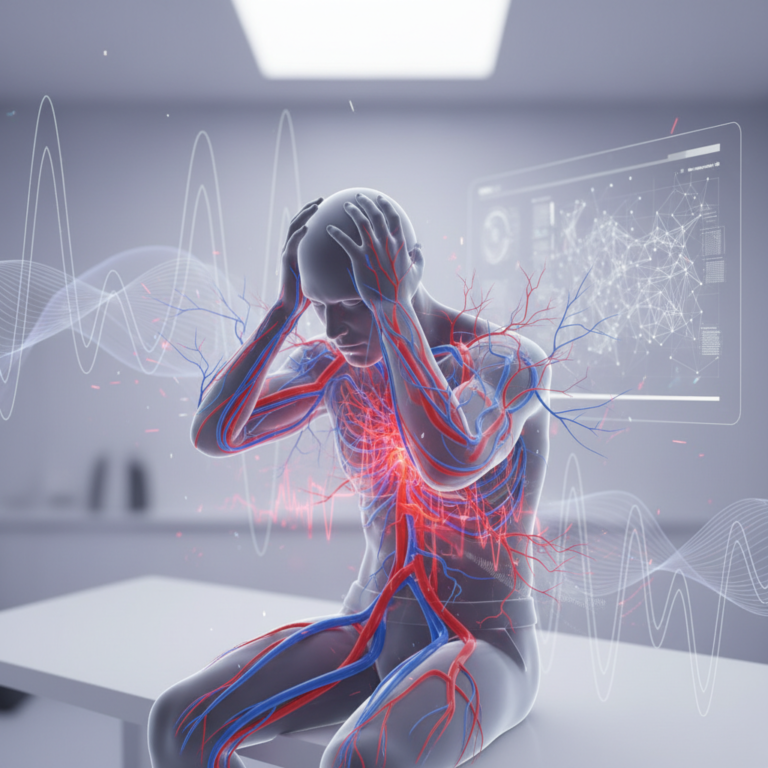
When we sit, gravity acts differently on our bodies. Blood flow, especially venous return from the legs to the heart, is significantly compromised. Pressure in some areas of the body increases, while in others it decreases.
This alteration in circulatory dynamics is at the core of the problems we will discuss. Leg veins rely on muscle contraction to pump blood back to the heart.
Without this contraction, blood tends to pool, leading to swelling and other more serious issues. This is a primary reason why sitting too long causes leg problems.
Mechanism of Venous Circulation and the Role of Leg Muscles
To understand why sitting too long causes leg problems, we need to grasp how normal venous circulation works. Arterial blood is pumped from the heart to the extremities, delivering oxygen and nutrients.
Venous blood, in turn, needs to return to the heart, overcoming gravity, especially when we are standing or sitting. The veins in the legs have one-way valves that prevent blood reflux. However, the primary return mechanism is the calf muscle “pump.”
The Calf Muscle Pump: The Second Heart
The calf is often called our “second heart” for good reason. Every time we walk, run, or even move our feet, the calf muscles contract and relax, compressing the deep veins and pushing blood upwards.
Valves within the veins ensure that blood moves only towards the heart. When we remain still for long periods, this muscle pump becomes inactive. Blood stagnates in the leg veins, increasing pressure and stretching vessel walls. This is the main reason why sitting too long causes leg problems.
Common Problems Caused by Sitting for Too Long
The problems arising from prolonged inactivity in the legs are diverse, ranging from mild discomfort to severe medical conditions. Recognizing symptoms is the first step towards seeking treatment and making lifestyle changes.
Leg Swelling (Edema)
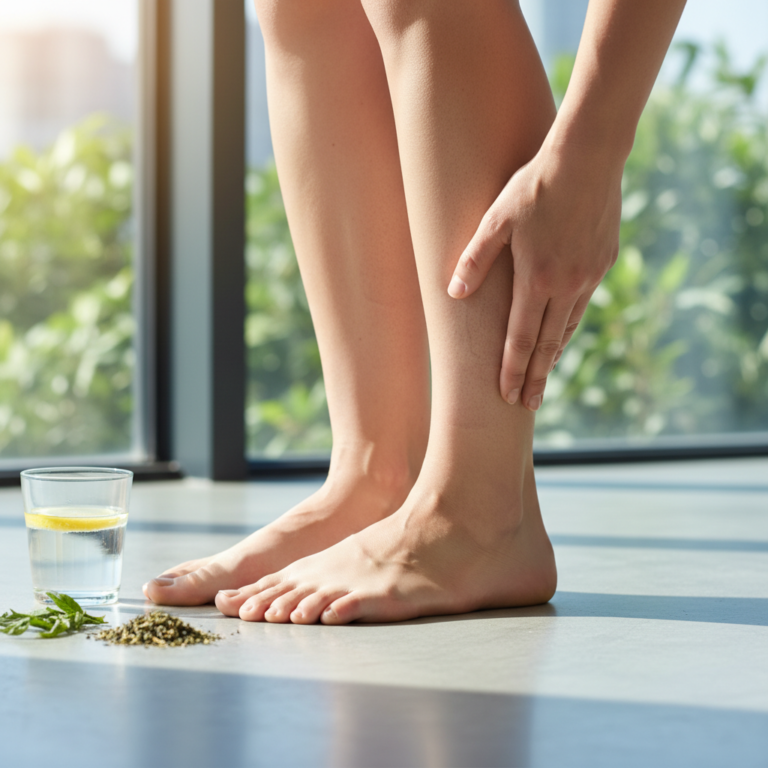
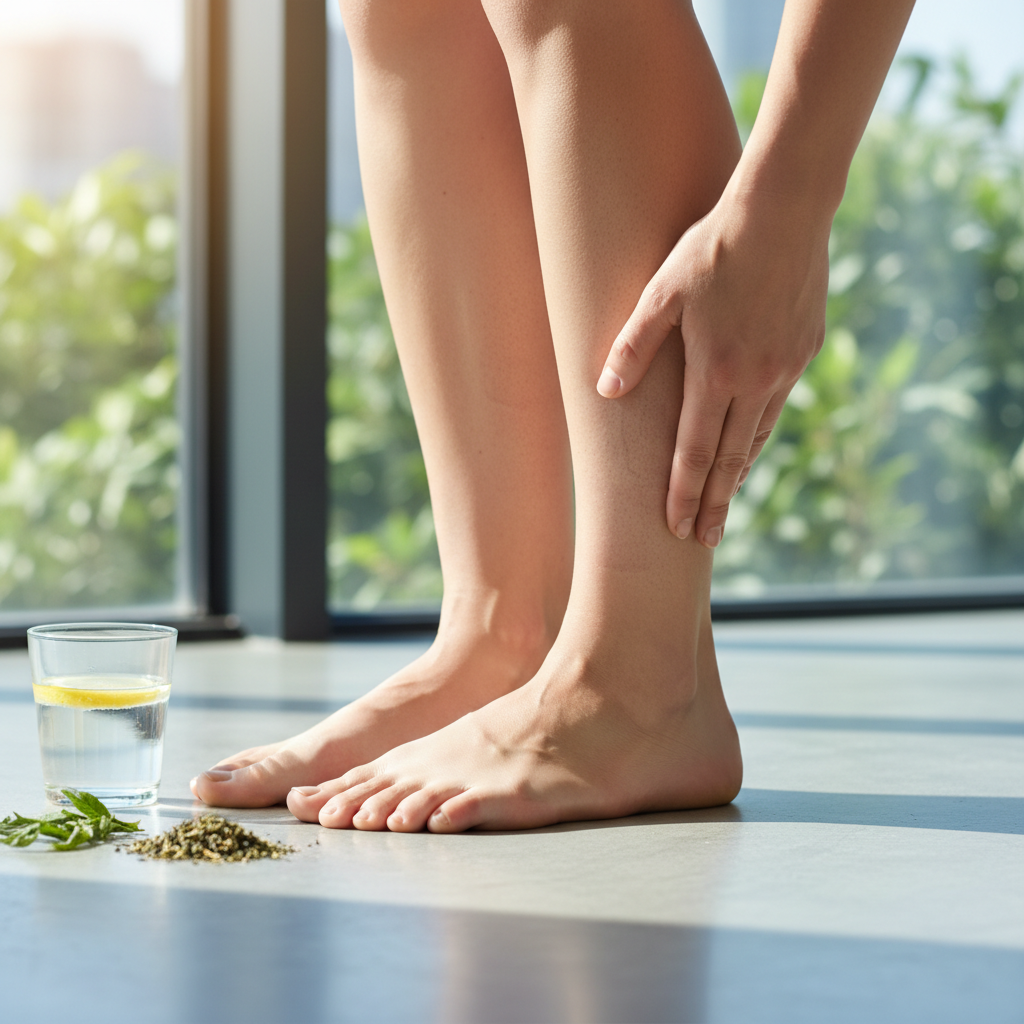
Swelling, or edema, is one of the first and most common symptoms that sitting too long causes leg problems. It is caused by the accumulation of fluid in interstitial tissues. When venous circulation is compromised, blood and excess fluid pool in the legs, especially in the ankles and feet, due to gravity.
This swelling can cause discomfort, a feeling of heaviness, and even pain. It may be more noticeable at the end of the day or after long journeys.
Varicose and Spider Veins
Varicose veins are enlarged, twisted veins that usually appear in the legs. They occur when the valves inside the veins weaken or are damaged, allowing blood to flow backward and accumulate.
The constant pressure exerted by blood stagnation due to sitting too long can aggravate or accelerate the development of varicose veins. Spider veins are a milder, smaller form of varicose veins, closer to the skin’s surface.
Muscle Pain and Discomfort
Beyond circulatory issues, inactivity also affects muscles. Sitting for long hours can lead to muscle stiffness, especially in the back of the thighs (hamstrings) and hip flexors.
This stiffness can cause aches, cramps, and general discomfort in the legs, making mobility and stretching difficult. In the long term, it can lead to muscle and postural imbalances.
Deep Vein Thrombosis (DVT)
Deep Vein Thrombosis (DVT) is a serious and potentially fatal condition. It occurs when a blood clot (thrombus) forms in one or more deep veins, usually in the legs.
Prolonged inactivity is a significant risk factor for DVT, as slow blood flow facilitates clot formation. Symptoms include pain, swelling, redness, and tenderness in the affected leg. If a clot breaks loose and travels to the lungs (pulmonary embolism), it can be fatal.
Arteriosclerosis and Peripheral Artery Disease (PAD)
While less directly related to blood mechanics in veins, general lack of physical activity, often associated with excessive sitting too long, contributes to the development of arteriosclerosis, the hardening of arteries.
This can lead to Peripheral Artery Disease (PAD), where arteries in the limbs (usually legs) become narrowed, reducing blood flow. Symptoms include leg pain when walking (claudication), numbness, and weakness. Although PAD is primarily an arterial problem, a sedentary lifestyle is a common risk factor for both conditions.
Prevention and Strategies to Reduce Risks
The good news is that many of the problems associated with sitting for too long can be prevented or mitigated with some simple lifestyle changes. The key is to break inactivity and promote movement.
Small Breaks That Make a Difference
The most effective strategy is to interrupt sitting periods regularly. Try to stand up and walk for at least 5 to 10 minutes every hour. This can be as simple as getting a glass of water, going to the restroom, or taking a short walk around the office or house.
These breaks activate the calf muscle pump and improve blood flow, reducing the risk of sitting too long causing leg problems.
- Chair Stretches: Even while sitting, you can do small stretches and leg exercises. Alternately raise your heels and toes, rotate your ankles, and stretch your legs.
- Short Walks: Use breaks to walk around instead of sitting. If possible, use stairs instead of elevators.
- Standing Meetings: Suggest standing or walking meetings. This not only promotes activity but can also increase productivity.
Ergonomics and Posture
Maintaining good posture and having an ergonomic workspace are also crucial. Ensure your feet are flat on the floor or on a footrest. Your chair should offer good lumbar support. Inadequate posture can worsen circulation and cause additional muscle tension.
Consider investing in an adjustable standing desk, which allows you to alternate between sitting and standing positions, an excellent resource to combat the effects of sitting too long.
Regular Physical Activity
In addition to breaks, regular physical exercise is fundamental. A routine of 30 minutes of moderate activity most days of the week can make a huge difference. Activities like walking, swimming, cycling, and yoga strengthen leg muscles and improve overall circulation.
This not only helps prevent leg problems from sitting too long but also contributes to cardiovascular health and overall well-being.
Compression Stockings
For those whose jobs require long hours of sitting or for long journeys, graduated compression stockings can be beneficial.
They apply controlled pressure to the legs, which helps push blood back to the heart and reduces swelling. It is important to consult a doctor to determine the appropriate compression level and the ideal type of stocking for your condition.
Hydration and Diet
Staying well-hydrated is crucial for circulatory health. Water helps keep blood less viscous, facilitating its flow. A diet rich in fruits, vegetables, and whole grains, and low in sodium and saturated fats, also contributes to vascular health and helps prevent swelling and inflammation, as well as control weight, which in turn also impacts vascular problems.
Relevant Data and Deeper Understanding
Science has clearly demonstrated the link between sedentary behavior and a range of health problems. Studies indicate that people who spend most of their day sitting have an increased risk of heart disease, type 2 diabetes, certain types of cancer, and, of course, vascular problems. The World Health Organization (WHO) highlights that physical inactivity is the fourth leading risk factor for global mortality.
The Cost of Inactivity
Beyond personal health costs, there is a significant economic cost. Absenteeism from work, loss of productivity, and medical treatment expenses are all linked, in part, to a sedentary lifestyle. Therefore, investing in workplace wellness programs and promoting healthy habits is beneficial not only for individuals but for society as a whole.
Gender Differences and Risk Factors
It’s important to note that some risk factors may be more prevalent in certain groups. Women, for example, may be more prone to developing varicose veins due to hormonal factors, pregnancy, and contraceptive use. Therefore, special attention is paid to the effects of swelling in women’s legs. Advanced age, a family history of vascular problems, obesity, and smoking are also factors that increase the risk of sitting too long causing leg problems.
When to Seek Medical Help
It is crucial to be aware of warning signs. If you experience persistent and severe symptoms such as:
- Sudden or asymmetrical leg swelling
- Intense and unexplained pain
- Redness or warmth in the leg
- Tenderness to the touch
- Shortness of breath or chest pain (symptoms of pulmonary embolism)
Seek immediate medical attention. These can be signs of serious conditions like DVT that require urgent medical care.
Practical Examples for Daily Life
Integrating more movement into your routine doesn’t have to be complicated. Small changes can add up to big benefits.
- At Work: Use the farthest printer, set reminders on your computer to stand up, use a monitor riser to elevate your screen and improve posture, consider using a stability ball for short sitting periods (it encourages small movements and activates your core).
- At Home: Don’t sink into the couch after dinner. Take a short walk, play with your children or pets, do active household chores.
- While Traveling: On long flights or car trips, get up and walk down the aisle every hour. Do calf and ankle exercises while seated.
Technology and Movement
The technology that keeps us tethered to chairs can also help us combat it. Smartwatches and phone apps can remind you to move, monitor your steps, and even suggest exercises. Use these tools to your advantage to maintain awareness of your activity level and prevent sitting too long from causing leg problems.
Psychological and Mental Impact
We cannot ignore that prolonged inactivity, in addition to physical problems, also affects mental health. Movement and physical activity are proven effective in reducing stress, anxiety, and depression.
By integrating more movement into your life, you not only protect your leg health but also improve your overall well-being and mental clarity. Taking active breaks can increase concentration and productivity, breaking the cycle of mental and physical fatigue.
The Vicious Cycle of Inactivity
Consider a vicious cycle: sitting too long causes leg problems, such as swelling and pain. These problems make movement more uncomfortable, leading to even more inactivity. This cycle further weakens muscles, worsens circulation, and increases the risk of more serious conditions. Breaking this cycle requires conscious effort, but the benefits are immense.
Conclusion: The Importance of Constant Movement
In summary, sitting too long causes leg problems through a series of complex mechanisms that affect blood circulation, muscle function, and overall vascular health. From swelling and varicose veins to more serious conditions like Deep Vein Thrombosis, the risks are real and should not be ignored.
However, the good news is that with awareness and small lifestyle changes, we can effectively combat these effects. Remember the importance of small breaks, regular physical activity, good ergonomics, and, if necessary, the use of compression stockings.
Your health is a constant investment, and caring for your legs is an essential part of this process. By choosing to move more and sit less, you are making an active choice for a healthier, pain-free life.
Don’t wait for severe symptoms to act. Start today to incorporate more movement into your routine and feel the difference it will make. Don’t forget to check out our article on the effects of swelling in women’s legs for more specific information for women. Your legs (and your whole body) will thank you!