
Naturally Improve Leg Lymphatic Drainage: A Comprehensive Guide to Your Health and Well-being
Do you feel your legs are heavy, swollen, or sore at the end of the day? This discomfort might be a sign that your lymphatic system needs a little help. Leg lymphatic drainage naturally is an effective approach to alleviate these symptoms, promoting circulation and overall well-being.
In this comprehensive guide, we will explore the causes of swelling, the mechanisms of the lymphatic system, and most importantly, a series of natural strategies you can incorporate into your routine to significantly improve your quality of life.
From diet to specific exercises and self-massage techniques, prepare to transform the health of your legs.
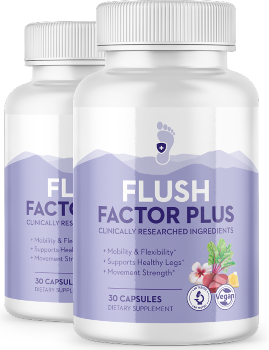
👉 Flush Factor Plus helps the body flush out accumulated fluids. This supplement is designed to support healthy circulation, aid in the elimination of excess fluids, and reduce swelling in the feet and legs. For women suffering from fluid retention, heavy legs, or daily discomfort, it offers support from the inside out, in a practical and natural way. Learn more about Flush Factor Plus here.
Understanding the Lymphatic System and Its Importance
To understand how to improve leg lymphatic drainage naturally, it’s essential to know the system that governs it. The lymphatic system is a complex and vital network of vessels, ducts, lymph nodes, organs, and tissues that work together to move a fluid called lymph throughout the body.
Unlike the circulatory system, which has the heart as a pump, the lymphatic system has no central pump; it relies on muscle movement, breathing, and gravity to circulate lymph.
Lymph is a clear, slightly yellowish fluid that bathes the body’s cells, transporting nutrients and removing waste, toxins, and microorganisms. Its primary function is to act as part of the immune system, filtering and fighting infections, and also to maintain fluid balance in the body’s tissues.
When this system does not function efficiently, lymph can accumulate, causing swelling, especially in the legs and ankles.
Structure and Function of Lymphatic Components
- Lymphatic Capillaries: These are the starting points of the system, located near the blood capillaries. They collect excess interstitial fluid, proteins, and cellular debris not reabsorbed by the venous system.
- Lymphatic Vessels: Similar to veins, capillaries join to form larger lymphatic vessels that transport lymph through the lymph nodes and towards the heart. They have valves that prevent the backflow of lymph.
- Lymph Nodes: Small, bean-shaped structures located in clusters (armpits, groin, neck, abdomen). They act as filters, containing lymphocytes (white blood cells) that destroy pathogens and cancerous cells.
- Lymphatic Ducts: Larger lymphatic vessels converge to form two main lymphatic ducts – the thoracic duct and the right lymphatic duct – which discharge lymph back into the bloodstream.
- Lymphoid Organs: Tonsils, adenoids, spleen, and thymus are important organs that produce and store immune cells and help filter blood and lymph.
Causes of Leg Swelling and Compromised Lymphatic Drainage
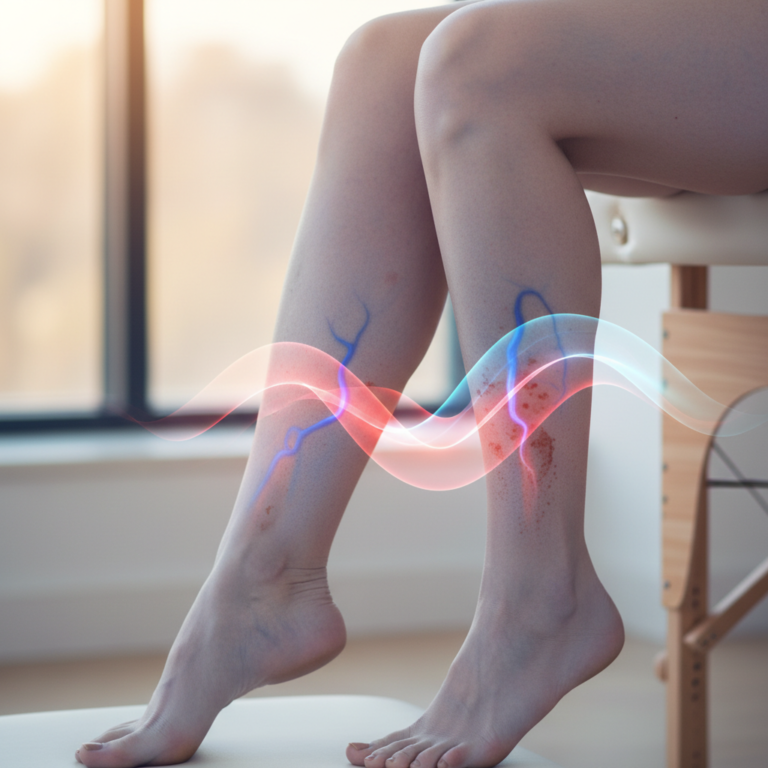
Leg swelling, medically known as edema, can result from various conditions, many of which directly impact the lymphatic system’s ability to drain excess fluids. Understanding these causes is the first step towards seeking effective and lasting solutions for leg lymphatic drainage naturally.
Primary and Secondary Lymphedema
Lymphedema is a chronic condition characterized by the accumulation of lymph in tissues, resulting in swelling. It can be:
- Primary Lymphedema: A rare congenital condition caused by abnormal development of the lymphatic system. It can manifest at birth, puberty, or in adulthood, depending on the anomaly.
- Secondary Lymphedema: More common, it occurs as a result of damage or obstruction to the lymphatic system. The most frequent causes include surgery (especially for cancer, such as lymph node removal), radiation therapy, infections (like filariasis), trauma, or injuries.
Other Common Causes of Leg Swelling
- Chronic Venous Insufficiency: Valves in the leg veins do not function properly, allowing blood to pool and accumulate, increasing pressure and forcing fluid into surrounding tissues. This can overload the lymphatic system.
- Heart Problems: Congestive heart failure can cause generalized fluid retention, including leg swelling, due to the heart’s inability to pump blood efficiently.
- Kidney or Liver Problems: Diseases affecting the kidneys or liver can compromise the body’s ability to regulate fluids and proteins, leading to edema.
- Long Journeys and Inactivity: Sitting or standing for prolonged periods reduces muscle contraction, which is essential for pumping lymph and blood back to the heart.
- Pregnancy: Hormonal changes and increased blood volume, coupled with pressure from the uterus on pelvic vessels, can hinder venous and lymphatic return.
- Medications: Some medications, such as nonsteroidal anti-inflammatory drugs (NSAIDs), certain blood pressure medications (calcium channel blockers), and steroids, can cause fluid retention as a side effect.
- High Sodium Diet: Excessive salt consumption causes the body to retain more water to dilute sodium, resulting in swelling.
- Hormonal Imbalances: Hormonal fluctuations, especially during the menstrual cycle or menopause, can influence fluid retention.
Natural Strategies to Improve Leg Lymphatic Drainage
Now that we understand the causes of swelling and the importance of the lymphatic system, let’s explore various natural approaches to promote leg lymphatic drainage naturally. Combining these strategies will be key to optimizing your results and enjoying lighter, healthier legs.
1. Movement and Physical Exercise
Since the lymphatic system does not have its own pump, movement is its fuel. Muscle contraction acts as a pump, pushing lymph through the vessels. Incorporating regular exercise is one of the most effective ways to stimulate leg lymphatic drainage naturally.
- Walking: Low-impact activity, easy to incorporate into your routine. A daily 30-minute walk can make a big difference.
- Swimming or Aqua Aerobics: Water pressure helps compress tissues, assisting lymph movement and reducing swelling. Buoyancy reduces joint load.
- Cycling: Rhythmic leg movement stimulates lymphatic flow and circulation.
- Stretching and Yoga: Poses involving leg elevation or gentle inversions can help drain lymph from the lower extremities by gravity.
- Specific Foot and Ankle Exercises: Ankle rotations, foot flexion and extension, and ‘pumping’ movements with the toes can activate calf muscles, essential for venous and lymphatic return.
Remember: regularity is more important than intensity. Start with what’s comfortable and gradually increase.
2. Massage and Self-Lymphatic Drainage
Lymphatic massage is a gentle technique that stimulates lymph flow. While a professional massage therapist is ideal, you can perform self-drainage techniques to improve leg lymphatic drainage naturally.
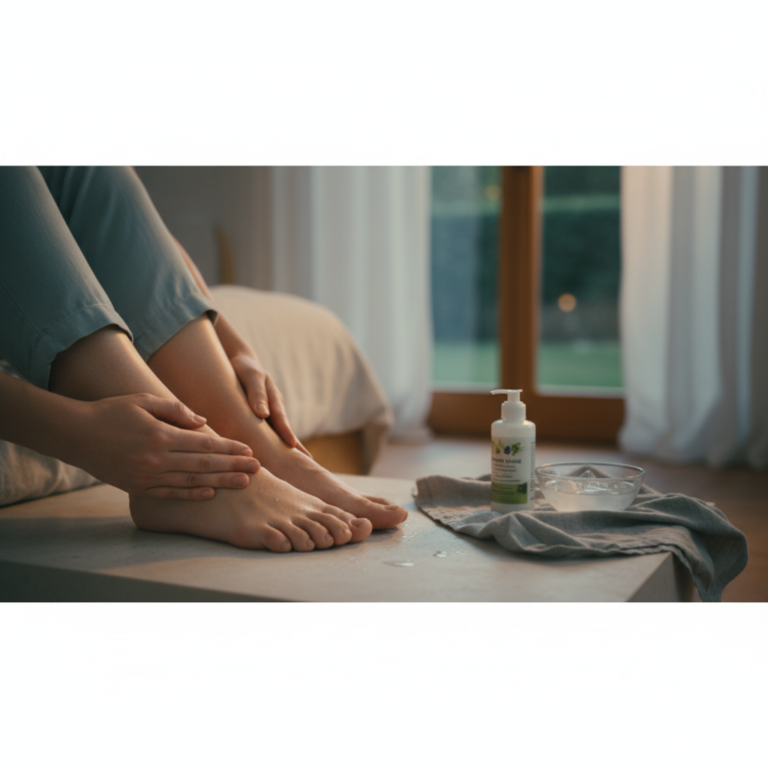
- Self-Massage Technique: Apply very light pressure (almost a skin touch, not muscle) with slow, rhythmic movements. Start with areas closest to the trunk and move towards the extremities. For example, massage the groin, then the inner thighs, then calves, and finally ankles and feet, always towards the heart. Use upward strokes.
- Dry Brushing: Use a natural bristle brush and massage dry skin with gentle, upward strokes towards the heart. This not only stimulates the lymphatic system but also exfoliates the skin. Do this before showering.
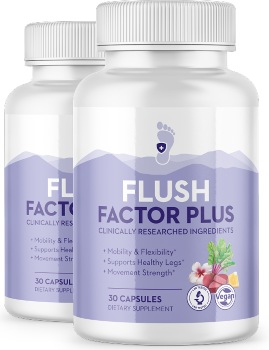
👉 Flush Factor Plus helps the body flush out accumulated fluids. This supplement is designed to support healthy circulation, aid in the elimination of excess fluids, and reduce swelling in the feet and legs. For women suffering from fluid retention, heavy legs, or daily discomfort, it offers support from the inside out, in a practical and natural way. Learn more about Flush Factor Plus here.
3. Adequate Hydration
It may seem counterintuitive, but drinking enough water is crucial to preventing fluid retention. When the body is dehydrated, it tries to retain water, which can worsen swelling. Lymph is primarily composed of water, so good hydration ensures it flows freely.
- Pure Water: Consume at least 8 glasses of water per day, or more if you are active or live in a hot climate.
- Natural Diuretic Teas: Teas like dandelion, horsetail, and hibiscus can have a mild diuretic effect, helping to eliminate excess fluids. Consult your doctor before using medicinal teas regularly.
- Lemon Water: Adding lemon to water can aid in detoxification and hydration.
4. Diet and Nutrition for Lymphatic Drainage
Your diet plays a fundamental role in your body’s ability to manage fluids and inflammation, directly influencing leg lymphatic drainage naturally.
- Reduce Sodium: Salt is one of the biggest contributors to fluid retention. Avoid processed foods and fast food, and limit salt when cooking. Opt for natural seasonings.
- Potassium-Rich Foods: Potassium helps balance sodium levels and fluids in the body. Include bananas, avocados, sweet potatoes, spinach, and coconut water in your diet.
- Anti-inflammatory Foods: Berries, dark leafy greens, ginger, turmeric, and omega-3 rich fish can reduce inflammation, which can compromise lymphatic flow.
- Natural Diuretic Foods: Cucumber, celery, watermelon, artichokes, and asparagus are known for their diuretic properties that help eliminate excess fluids.
- Sufficient Protein: Proteins help maintain osmotic pressure in the blood, preventing fluid from leaking into tissues.
5. Leg Elevation and Rest Positions
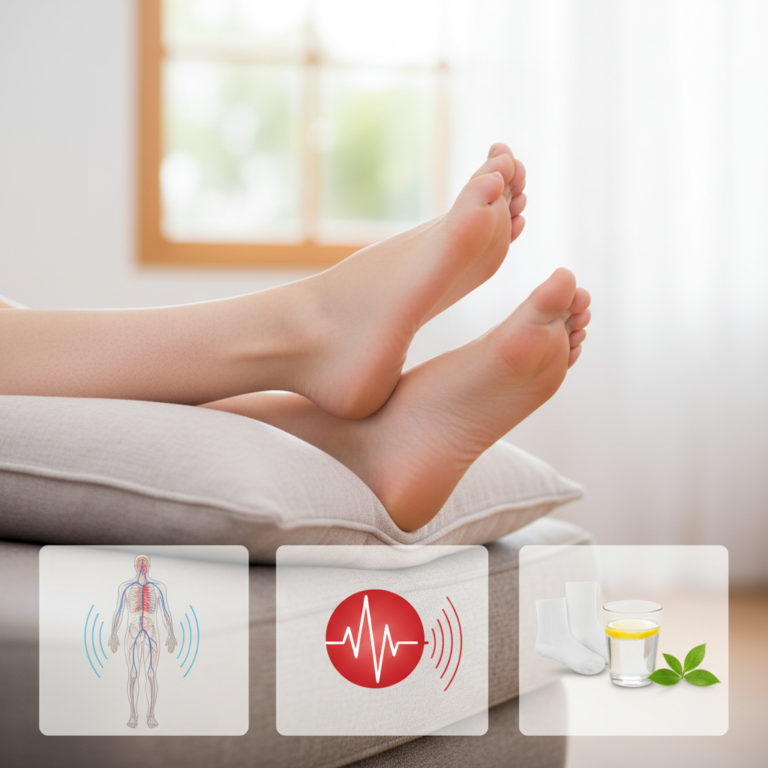
Gravity can be your ally in leg lymphatic drainage naturally. Elevating your legs above heart level helps lymph flow back to the trunk.
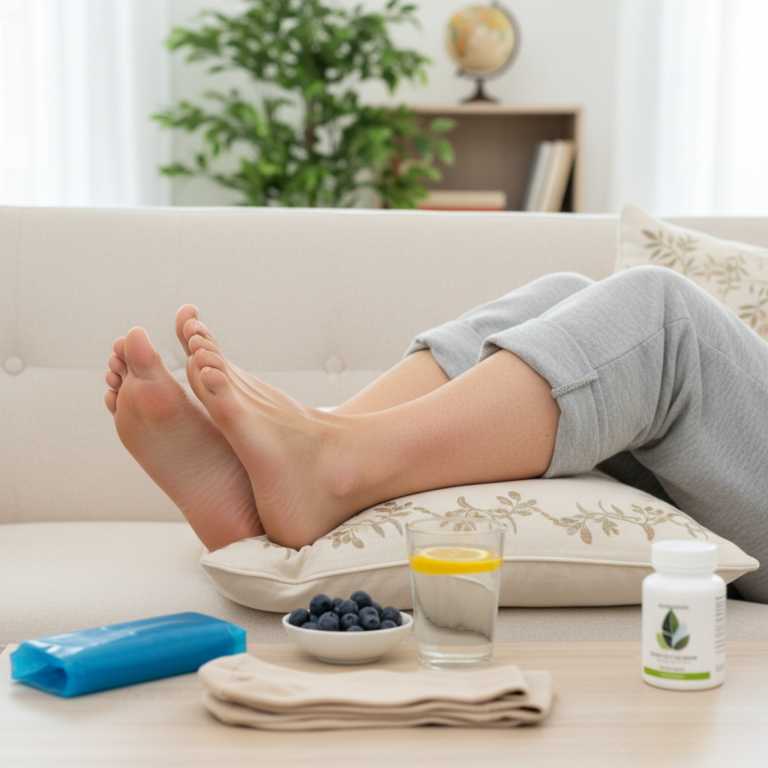
- Regular Elevation: Lie down with your legs elevated on pillows for 15-20 minutes, several times a day, especially after long periods of standing or sitting.
- Sleeping Position: If possible, sleep with your legs slightly elevated.
6. Appropriate Clothing and Shoes
Tight clothing can restrict lymphatic and blood flow, especially in areas like the waist, groin, and ankles. Opt for comfortable, loose-fitting clothes.
- Compression Stockings: Under medical guidance, graduated compression stockings can be extremely helpful. They apply pressure to the legs, pushing fluid upwards. It is crucial that they are the correct size and compression level.
- Comfortable Shoes: Avoid high heels and tight shoes that can impede circulation in the feet and ankles.
7. Stress Management and Sleep Quality
Chronic stress can lead to inflammation and hormonal imbalances that affect fluid retention. Adequate sleep is essential for body regeneration and the proper functioning of all systems, including the lymphatic system.
- Relaxation Techniques: Meditation, deep breathing, yoga, and spending time in nature can reduce stress levels.
- Sleep Hygiene: Ensure 7 to 9 hours of quality sleep per night. Create a relaxing sleep environment and avoid screens before bed.
8. Natural Supplements and Phytoactive Compounds
While a good diet and lifestyle are fundamental, some supplements can offer additional support for leg lymphatic drainage naturally. Always consult a healthcare professional before starting any supplementation.
- Bromelain: An enzyme found in pineapple, known for its anti-inflammatory and fibrinolytic properties, which can help reduce swelling.
- Grape Seed Extract: Rich in antioxidants (proanthocyanidins), it can strengthen blood vessels and improve circulation.
- Dandelion (Taraxacum officinale): A mild natural diuretic that helps the body eliminate excess fluids.
- Horse Chestnut (Aesculus hippocastanum): Traditionally used for chronic venous insufficiency due to its ability to strengthen veins and reduce capillary permeability.
- Magnesium: Magnesium deficiency can be linked to fluid retention, especially in women during the menstrual cycle.
It is important to note that supplements should be seen as complementary, not substitutes, for healthy lifestyle habits.
Integrating Habits for Effective Lymphatic Drainage
To achieve the best results in leg lymphatic drainage naturally, consistency and the integration of these strategies into your daily routine are key. Small changes can lead to significant long-term benefits.
Create a Daily Wellness Routine
- Morning: Start your day with a glass of lemon water. If possible, do a quick dry brushing session before showering and incorporate a few minutes of stretching or specific leg exercises.
- During the Day: If you work sitting down, take regular breaks to stand up and walk. If you are standing, try shifting your weight and moving your legs. Stay hydrated.
- Afternoon/Evening: Go for a light walk or your preferred physical activity. Consider a self-lymphatic massage session before bed. Elevate your legs for 15-20 minutes.
Track Your Progress
Keep a journal to record your symptoms, activities, and how you feel. This can help identify patterns and understand what works best for you. Note the reduction in swelling, pain, and increased feeling of lightness in your legs.
Consult Healthcare Professionals
If swelling is persistent, painful, or accompanied by other symptoms (redness, warmth, fever), it is crucial to seek medical guidance. A doctor can diagnose the underlying cause and recommend specific treatments. In some cases, specialized physical therapy in manual lymphatic drainage may be necessary, especially for more severe cases of lymphedema.
Debunking Myths and Reinforcing Truths
There are many myths surrounding fluid retention and leg lymphatic drainage naturally. Clarifying some of them can help you make more informed decisions.
Myths:
- Drinking less water reduces swelling: False. Restricting fluids actually signals the body to retain more water, worsening swelling. Adequate hydration is essential.
- Any massage works as lymphatic drainage: False. Manual lymphatic drainage has a specific technique of gentle, rhythmic pressure, directed towards the lymph nodes. A deep massage can actually be detrimental to the lymphatic system.
- Lymphatic drainage is only for aesthetic purposes: False. While popular in aesthetics, its primary function is therapeutic, relieving swelling and improving immune function, especially in medical conditions.
Truths:
- Movement is fundamental: Muscle contraction is the primary propeller of lymph. Leading an active life is crucial.
- Diet matters: What you eat directly affects fluid balance and inflammation in the body.
- The problem can be systemic: Leg swelling can be a symptom of underlying health conditions that require medical attention.
Conclusion: A Holistic Path to Light and Healthy Legs
Improving leg lymphatic drainage naturally is not just about aesthetics, but about overall health and well-being. By understanding how your lymphatic system works and implementing the strategies discussed – from movement and massage to hydration, nutrition, and stress management – you can empower your body to function more efficiently. Remember, consistency is key. Small daily changes add up to create a significant impact.
Do not underestimate the power of healthy habits and listening to your own body. Your discomforts can be signs that something needs adjustment. By adopting these natural practices, you will be investing in lighter, less painful legs, and a life with more vitality. And remember, health is a journey, not a destination. Stay informed, be proactive, and take care of yourself.
👉 Flush Factor Plus helps the body flush out accumulated fluids. This supplement is designed to support healthy circulation, aid in the elimination of excess fluids, and reduce swelling in the feet and legs. For women suffering from fluid retention, heavy legs, or daily discomfort, it offers support from the inside out, in a practical and natural way. Learn more about Flush Factor Plus here.