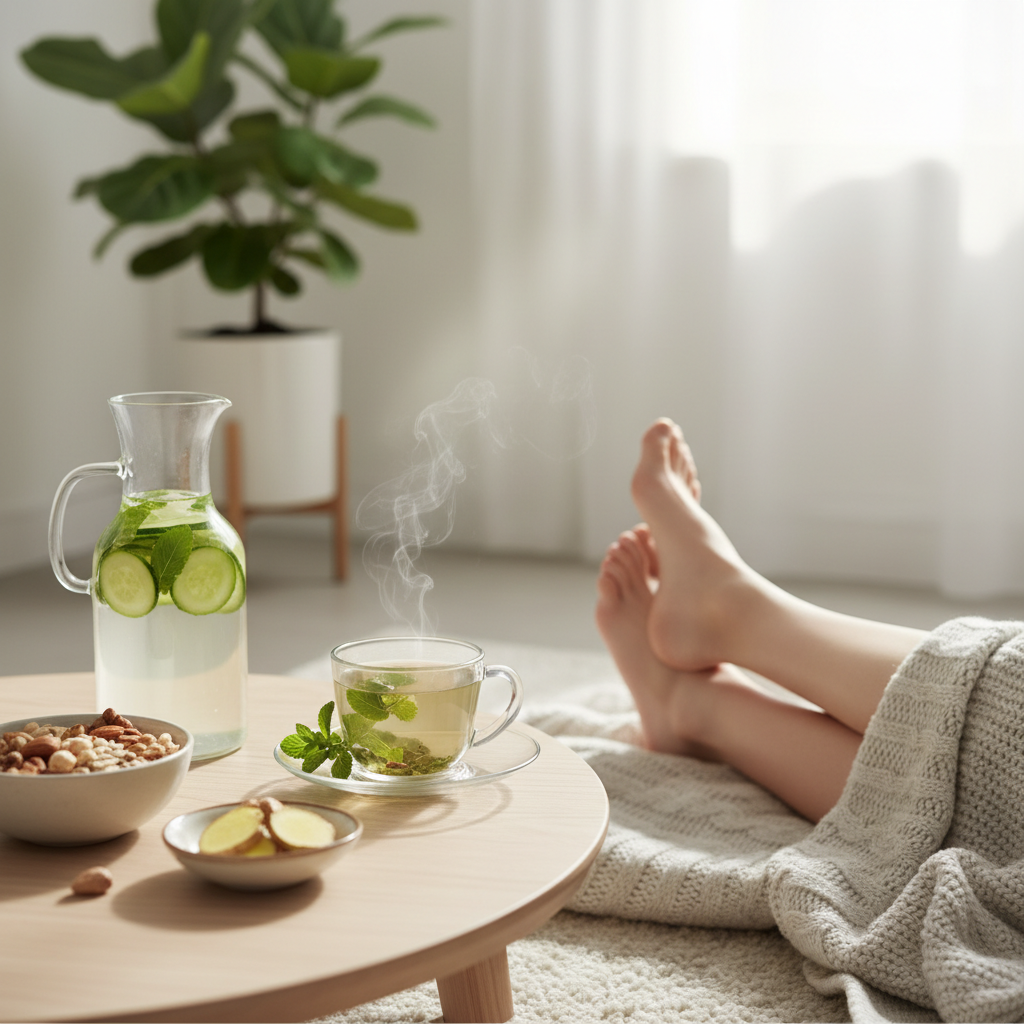
Introduction: How to Improve Circulation Naturally Without Exercise?
Optimal circulatory health is paramount for our overall well-being. An efficient circulatory system ensures that oxygen, nutrients, hormones, and immune cells are delivered throughout the body, while metabolic waste products are simultaneously removed.
When circulation is compromised, we can experience a range of unpleasant symptoms, from fatigue and swelling to more serious issues like varicose veins and cardiovascular diseases. We often associate improving circulation with rigorous physical exercise routines.
👉 “See how women improve circulation in their legs,” in the Women’s Health article.
However, it is entirely possible to improve circulation naturally without the need for intense physical activities, by integrating healthy habits into our daily lives.
This comprehensive guide explores various effective strategies to boost your circulatory health, focusing on practical approaches you can start implementing today, even without breaking a sweat.
We will cover crucial topics such as the importance of hydration, the impact of diet, the relevance of posture and mindful movement, relaxation techniques, and even the use of clothing and supplements that can make a difference.
Our goal is to provide you with an arsenal of knowledge to take charge of your circulatory health and enjoy a life with more energy and vitality.
The Science Behind Poor Circulation and Its Symptoms
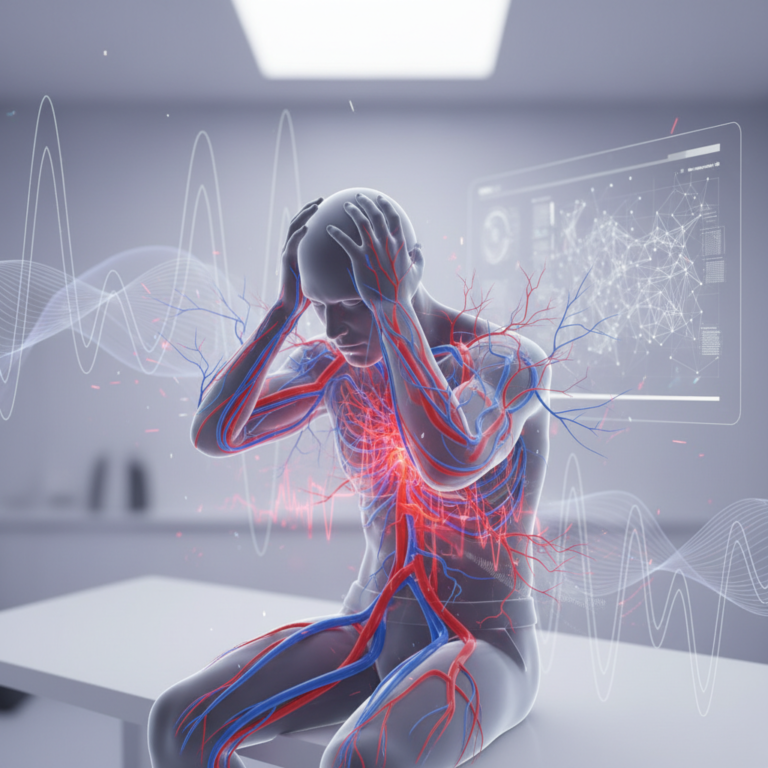
Before diving into solutions, it’s important to understand what causes poor circulation and how to identify it. Deficient circulation occurs when blood flow to a part of the body is reduced. This can be an indicator of underlying health problems.
The causes are varied and can include peripheral artery disease, atherosclerosis, diabetes, obesity, smoking, and even excessive sedentary behavior.
Signs and Symptoms of Poor Circulation
- Cold hands and feet: One of the most common complaints, indicating that blood is not reaching the extremities efficiently.
- Swelling (Edema): Especially in the legs, ankles, and feet, due to fluid accumulation.
- Numbness or tingling: A pins-and-needles sensation, usually in the hands and feet, due to lack of oxygenation.
- Fatigue: The body does not receive enough oxygen and nutrients, resulting in constant tiredness.
- Muscle cramps: Can occur due to lack of oxygen in the muscles during movement.
- Skin problems: Changes in skin color (bluish or pale), dry skin, and brittle nails.
- Slow digestion: Inadequate circulation can affect digestive organs.
- Varicose veins: Enlarged, twisted veins that may indicate problems with venous return.
It is crucial to be aware of these signs, and if they persist, to seek a healthcare professional for a proper diagnosis. However, many of the strategies we will discuss here can act as preventive and complementary measures to medical treatment.
👉 “See how women improve circulation in their legs,” in the Women’s Health article.
Hydration: The Foundation to Improve Circulation Naturally
Water is an essential component of blood, making up about 90% of its volume. Staying hydrated is, therefore, one of the simplest and most effective steps to improve circulation naturally. Adequate hydration ensures that blood maintains its ideal viscosity, flowing freely through blood vessels and efficiently transporting oxygen and nutrients.
Impact of Dehydration on Circulation
When we are dehydrated, blood volume decreases, and the blood becomes thicker. This makes it harder for the heart to pump and increases the risk of blood clots. Furthermore, dehydration can lead to decreased elasticity of blood vessels, making them less efficient in contracting and dilating.
How Much Water Should We Drink?
The general recommendation is to drink about 2 to 3 liters of water per day, but this amount can vary depending on body weight, activity level, and climate. A good rule of thumb is to observe the color of your urine: if it’s clear, you’re well-hydrated. If it’s dark, it’s time to drink more water.
Tips to Increase Water Intake
- Keep a water bottle close by to remind you to drink.
- Add fruit slices (lemon, cucumber, mint) to water for extra flavor.
- Drink a glass of water before each meal.
- Consume water-rich foods, such as fruits and vegetables.
- Avoid excessive sugary and caffeinated drinks, as they can have a diuretic effect.
The simple act of consuming enough water is a fundamental pillar for anyone looking to improve circulation naturally. Do not underestimate the power of a good glass of water!
Smart Eating for a Healthy Heart and Optimized Circulation
What we put on our plate has a direct and profound impact on the health of our circulatory system. A diet rich in nutrients and antioxidants can strengthen blood vessels, reduce inflammation, and optimize blood flow. Conversely, processed foods, rich in saturated fats, sodium, and sugar, can clog arteries and impair circulation.
Circulation-Friendly Foods
For those who want to improve circulation naturally, focusing on an anti-inflammatory and fiber-rich diet is essential. Here are some nutritional heroes:
- Berries (Blueberries, Strawberries, Raspberries): Rich in antioxidants (anthocyanins) that strengthen blood vessel walls and improve elasticity.
- Dark Leafy Greens (Spinach, Kale, Arugula): Sources of nitrates that the body converts into nitric oxide, a potent vasodilator that relaxes and expands blood vessels, improving flow.
- Garlic: Known for its properties that help thin the blood and reduce blood pressure, facilitating circulation.
- Ginger: Contains compounds that can help relax blood vessels and improve blood flow.
- Fatty Fish (Salmon, Mackerel, Sardines): Rich in omega-3s, which reduce inflammation, lower triglycerides, and prevent clot formation.
- Nuts and Seeds (Almonds, Brazil Nuts, Flaxseed, Chia): Provide healthy fats, fiber, and vitamin E, which are important for vascular health.
- Citrus Fruits (Orange, Lemon, Grapefruit): Abundant in vitamin C and antioxidants, they strengthen capillaries and reduce inflammation.
- Dark Chocolate: Rich in flavonoids, which stimulate nitric oxide production, promoting blood vessel dilation. Choose options with high cocoa content (above 70%).
- Cayenne Pepper: Contains capsaicin, which can stimulate blood flow and strengthen vessels.
Foods to Avoid or Moderate
- Processed and Industrialized Foods: Generally high in sodium, sugars, and trans fats, which contribute to inflammation and hardening of the arteries.
- Saturated and Trans Fats: Found in fatty red meats, whole dairy products, and fried foods, they can increase bad cholesterol (LDL) and form plaques in the arteries.
- Excess Sodium: Increases fluid retention and blood pressure, overloading the heart and vessels.
- Refined Sugars: Contribute to inflammation and can damage the lining of blood vessels.
Adopting a balanced and conscious diet is one of the most powerful ways to improve circulation naturally and promote long-term cardiovascular health.
Mindful Movement and Posture: Small Changes, Big Gains
Even without formal exercise, mindful movement and attention to posture play a crucial role in optimizing blood circulation. Sitting or standing for long periods can hinder venous return, especially in the legs, leading to swelling and pain.
Get Up and Move Regularly
For those who spend a lot of time sitting, whether working or at home, it is essential to break up these periods of inactivity. The simple act of standing up and walking for 5 to 10 minutes every hour can make a significant difference.
- Stretch: Do light stretches for your arms, legs, and neck.
- Walk a bit: Go to the kitchen for water, take a short walk around the office or house.
- Move your ankles: Make circles with your feet, lift and lower your heels and toes to activate the ‘muscle pump’ in your calves, which helps push blood back to the heart. This can be done even while sitting.
The Importance of Posture
Poor posture can compress blood vessels, hindering blood flow. Pay attention to your posture when sitting and standing.
- When Sitting: Keep your feet flat on the floor, avoid crossing your legs (as it can restrict blood flow), and keep your spine straight. Use an ergonomic chair if possible.
- When Standing: Distribute your weight evenly on both feet, avoid standing still for long periods in a single position. Shift your weight from one foot to the other.
Leg Elevation
Elevating your legs above heart level for 15-20 minutes, a few times a day, can be extremely beneficial to improve circulation naturally, especially for those suffering from swelling. This aids blood return to the heart and relieves pressure on leg veins.
These small daily interventions are accessible and can have a lasting impact on your circulatory health without the need for a rigorous exercise regimen.
Relaxation Techniques and Stress Management
Chronic stress can have detrimental effects throughout the body, including the circulatory system. When we are stressed, the body releases hormones like cortisol and adrenaline, which can increase blood pressure and constrict blood vessels. Learning to manage stress is, therefore, a vital strategy to improve circulation naturally.
Deep Breathing
Diaphragmatic breathing (slow, deep breathing) activates the parasympathetic nervous system, which promotes relaxation and helps lower blood pressure. Try practicing deep breathing for 5-10 minutes, several times a day. Inhale slowly through your nose, feeling your abdomen expand, and exhale slowly through your mouth.
Meditation and Mindfulness
Meditation and mindfulness practice can reduce stress and anxiety, leading to a positive impact on cardiovascular health. Dedicating a few daily minutes to meditation can help calm the mind and body.
Gentle Massage
Massage, especially on the legs and feet, can stimulate superficial blood flow and relieve muscle tension. Use essential oils like lavender or rosemary, which also have relaxing properties and can improve circulation naturally and even aid in fluid retention.
👉 “See how women improve circulation in their legs,” in the Women’s Health article.
Get Enough Sleep
Sleep deprivation increases stress and inflammation in the body. Ensuring 7-9 hours of quality sleep per night is essential for body recovery and proper functioning of the circulatory system.
Benefits of Hydrotherapy and Temperature
Water, in its different temperatures, can be a powerful ally to improve circulation naturally. Hydrotherapy uses temperature variations to stimulate blood flow and relieve discomfort.
Contrast Showers
Alternating hot and cold water in the shower (just a few minutes of each) stimulates the dilation and constriction of blood vessels, acting as a ‘workout’ for the circulatory system. Start with hot water for 2-3 minutes, then switch to cold water for 30-60 seconds. Repeat 3-5 times, always finishing with cold water. (Be careful with extreme temperatures, especially if you have heart conditions).
Foot Soaks
Soaking your feet in warm water with Epsom salts (magnesium) and relaxing herbs like lavender can relieve swelling and fatigue, promoting relaxation and stimulating circulation in the extremities.
Sauna and Steam Bath
The heat of a sauna or steam bath promotes blood vessel dilation and increases blood flow, helping to eliminate toxins and improve circulation. It is important to stay hydrated during and after heat sessions.
Appropriate Clothing and Footwear
It seems like a detail, but what you wear on your feet and legs can significantly impact your circulation. Tight clothing and inappropriate footwear can hinder blood flow.
Compression Stockings
Compression stockings, especially graduated ones, are designed to apply pressure to the legs, helping to push blood from the legs back to the heart. They are excellent for people who spend a lot of time standing, sitting, or who suffer from swelling and varicose veins. It’s important to consult a doctor to find the appropriate compression level for you.
Comfortable Footwear
Avoid tight shoes or very high heels, which can restrict blood flow and compromise posture. Opt for comfortable shoes that offer good support and allow your feet to breathe. Walking barefoot on natural surfaces (grass, sand) when possible can also stimulate nerves and blood vessels in the feet.
Loose Clothing
Pay attention to ensure your clothes are not excessively tight around the waist, legs, or wrists, as this can create compression points and hinder circulation.
Supplements and Herbs to Improve Circulation Naturally
While a balanced diet should be the foundation, certain supplements and herbs can complement your efforts to improve circulation naturally. Always consult a healthcare professional before starting any supplementation.
- Omega-3: As mentioned, omega-3 (fish oil) has anti-inflammatory properties and helps keep blood thinner.
- Ginkgo Biloba: Widely used to improve blood circulation, especially to the brain, and can help with memory problems and vertigo associated with poor circulation.
- Horse Chestnut: Known to strengthen blood vessel walls and relieve symptoms of poor circulation, such as swelling and leg heaviness.
- Cocoa/Flavonoids: Flavonoids found in cocoa can improve blood vessel function and flow.
- Vitamin C: Essential for collagen production, a vital component of blood vessel walls, ensuring their strength and integrity.
- Vitamin E: An antioxidant that can help protect blood vessel cells from damage and improve circulation.
- Magnesium: Helps relax blood vessels and regulate blood pressure.
- Niacin (Vitamin B3): Can help improve circulation by causing blood vessel dilation (a ‘flush’ effect).
Remember that supplements are complementary and should not replace a healthy diet and other lifestyle practices.
👉 “See how women improve circulation in their legs,” in the Women’s Health article.
The Importance of Avoiding Harmful Habits
To improve circulation naturally, it’s just as important to add healthy habits as it is to eliminate those that harm your circulatory system.
- Smoking: Smoking is one of the biggest enemies of circulation. It damages blood vessel walls, accelerates atherosclerosis, and increases the risk of clots and heart attacks. Quitting smoking is the most impactful step a smoker can take.
- Excessive Alcohol: Excessive alcohol consumption can raise blood pressure and weaken the heart muscle long-term. Moderate consumption (one drink for women, two for men per day) may have some cardiovascular benefits, but excess is always detrimental.
- Chronic Stress: As already discussed, prolonged stress releases hormones that constrict vessels and increase pressure. Managing it is crucial.
- Extreme Sedentary Lifestyle: Even without intense exercise, complete inactivity is very harmful. Mindful movement tips are a good start.
- Poor Diet: Foods rich in saturated fats, sodium, and sugars contribute to inflammation and atherosclerosis.
By eliminating these risk factors, you pave a clear path to healthier circulation and improved overall well-being.
Improve Circulation Naturally: A Continuous Commitment
The journey to improve circulation naturally without relying on intense exercise is a continuous commitment to a healthier lifestyle. It’s not a quick fix, but rather a series of conscious, daily choices that, when combined, produce significant and lasting results.
The strategies covered in this article – from adequate hydration, nutrient-rich diet, mindful movement, stress management, hydrotherapy, and smart use of clothing and supplements – form a comprehensive plan that anyone can adapt to their routine.
Remember that consistency is key. Small changes made daily are far more effective than large, sporadic efforts. By integrating these habits into your life, you will not only optimize your blood flow but also reap the benefits of improved overall health, more energy, and a greater sense of well-being.
Stay attentive to your body’s signals and do not hesitate to seek medical advice if you have persistent concerns about your circulation. Adopting a proactive and preventive approach is the smartest way to a full and healthy life. Start boosting your circulation today and feel the difference!