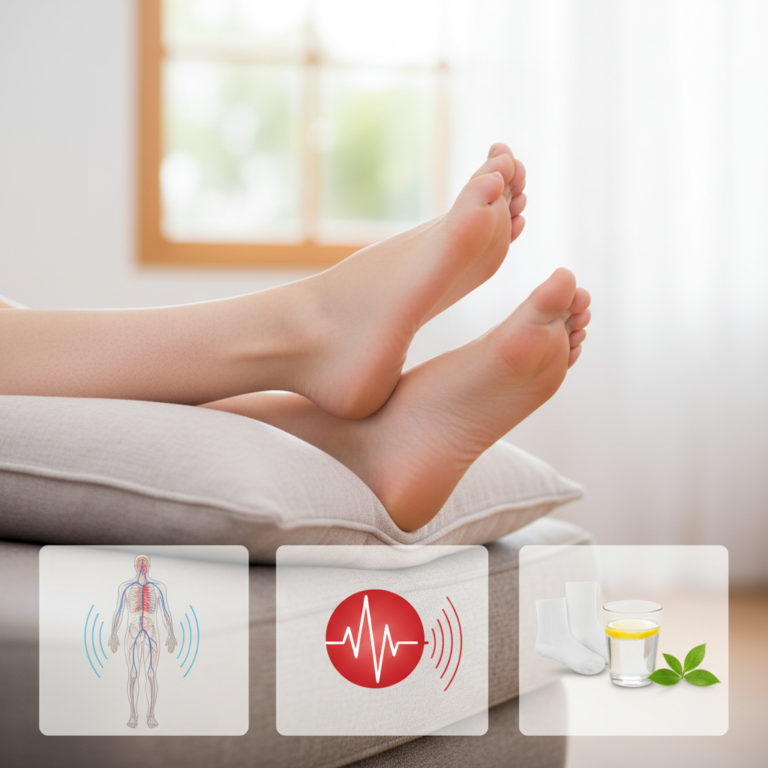
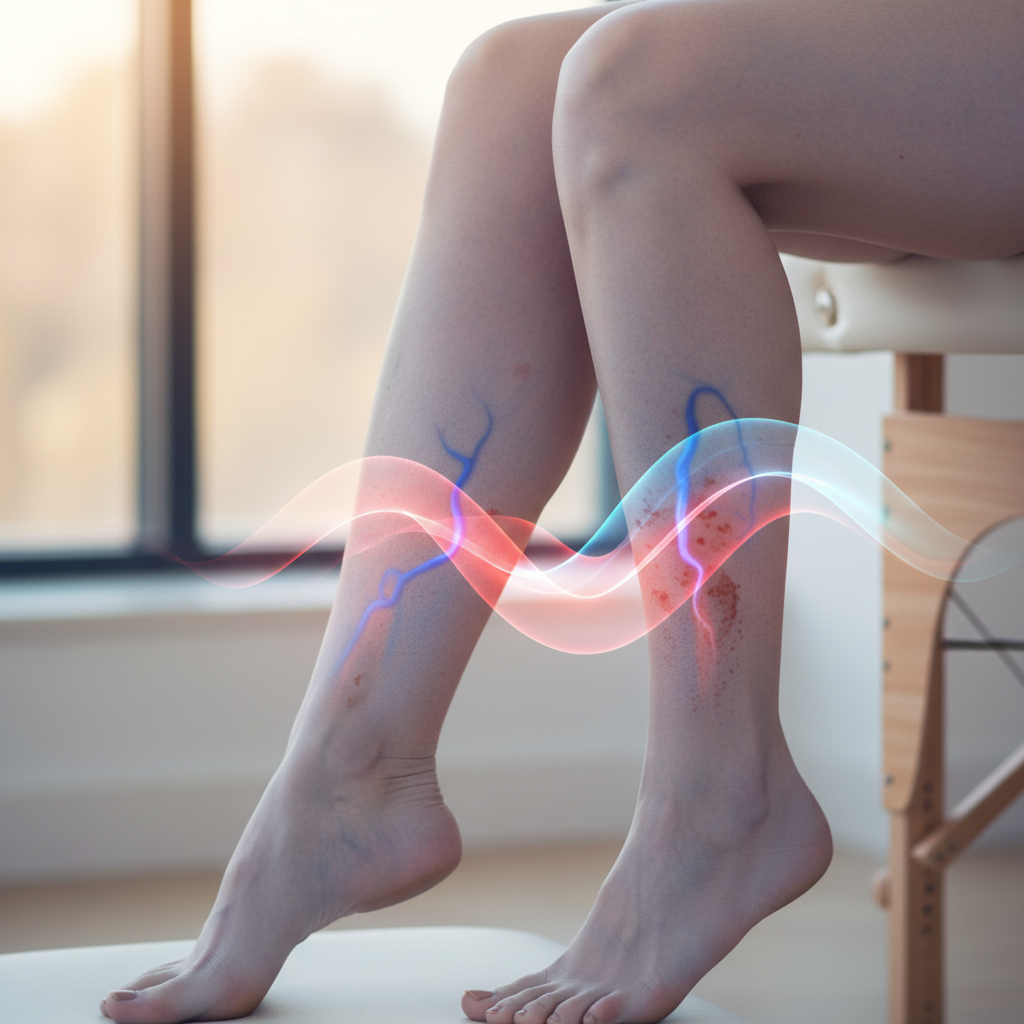
Poor circulation in legs is a common health issue affecting millions worldwide. Often underestimated, this condition can lead to a range of uncomfortable symptoms and, if left untreated, serious complications.
Understanding the signs, risks, and ways to improve blood flow is crucial for maintaining vascular health and ensuring a better quality of life.
When blood doesn’t flow adequately through the leg blood vessels, oxygen and nutrients don’t reach cells efficiently, and metabolic waste products aren’t effectively removed.
This can cause pain, swelling, skin discoloration, and in advanced cases, ulcers and necrosis. But how do we identify that something is wrong? And what can we do to reverse or prevent this condition?
In this comprehensive guide, we will delve deep into everything you need to know about poor circulation in legs, from the anatomy of the circulatory system to the latest innovations in treatment and prevention.
👉 If you suffer from swelling, heavy legs, or daily discomfort, Improve your circulation daily with Flush Factor Plus.
What is Poor Circulation and How Does it Affect the Legs?
To understand poor circulation in legs, it’s essential first to grasp how the circulatory system works. Our bodies have a complex network of blood vessels – arteries, veins, and capillaries – that transport oxygenated blood and nutrients from the heart to tissues, and deoxygenated blood and waste products back to the heart and lungs.
In the legs, this process is particularly challenging due to gravity, which hinders blood return to the heart.
Poor circulation, also known as circulatory insufficiency, occurs when there’s a significant disruption or decrease in this flow. In the legs, this can be caused by a variety of factors, including:
- Peripheral Artery Disease (PAD): Occurs when plaque buildup (atherosclerosis) narrows and hardens the arteries that supply blood to the legs and feet.
- Chronic Venous Insufficiency (CVI): Characterized by damaged venous valves that fail to efficiently push blood back to the heart, leading to blood pooling in the legs.
- Deep Vein Thrombosis (DVT): Formation of a blood clot in a deep vein, usually in the leg, which can block blood flow.
- Diabetes: High blood sugar levels can damage blood vessels and nerves, impairing circulation.
- Obesity: Excess weight increases pressure on leg veins and makes the heart work harder.
- Smoking: Smoking damages blood vessel walls, making them more prone to narrowing and clots.
The Importance of Healthy Blood Flow
Adequate blood flow is vital for leg health. It ensures that muscles, nerves, and skin receive the necessary oxygen and nutrients to function correctly. Furthermore, efficient circulation is responsible for removing toxins and metabolic byproducts, preventing swelling and inflammation.
When circulation is compromised, the consequences can be felt in various aspects of daily life, from unexplained fatigue to chronic pain that limits mobility.
Signs and Symptoms of Poor Circulation in Legs: What to Look For?
Recognizing the signs of poor circulation in legs early is the first step towards seeking treatment and avoiding complications. Symptoms can range from mild to severe and may manifest differently depending on the underlying cause and the extent of the problem.
Main Signs of Poor Circulation
- Pain and Cramps: Leg pain or cramps, especially during or after physical exercise (claudication), is one of the most classic symptoms. This pain usually improves with rest.
- Swelling (Edema): Fluid accumulation in the ankles, feet, and legs is very common, especially at the end of the day or after long periods of standing or sitting.
- Feeling of Heavy and Tired Legs: A constant sensation of heaviness and fatigue in the legs, even without significant physical exertion.
- Tingling and Numbness: Loss of sensation or a pins-and-needles feeling, indicating a possible lack of oxygenation in the nerves.
- Skin Cold to the Touch: The legs and feet may feel colder than the rest of the body, due to decreased blood flow.
- Skin Color Changes: The skin may appear pale, bluish (cyanosis), or reddish/greyish, especially in the extremities.
- Slow Nail and Hair Growth: Poor cell nutrition can affect nail and hair growth on the legs.
- Non-Healing Sores: Open sores or cuts on the legs and feet that take a long time to heal or don’t heal at all are a serious warning sign, indicating oxygen and nutrient deficiency.
- Varicose Veins and Bulging Veins: Varicose veins are an indication of venous insufficiency, where blood pools due to faulty valves.
When to Seek Medical Help?
If you experience one or more of these symptoms persistently, it is essential to consult a doctor. Early diagnosis can prevent disease progression and avoid severe complications. Specialists such as angiologists and vascular surgeons are best suited to evaluate and treat circulatory problems.
Ignoring these signs can lead to more serious conditions, such as difficult-to-treat ulcers, infections, and in extreme cases, amputation.
Risks and Complications of Poor Circulation in Legs
Leaving poor circulation in legs untreated can have serious consequences for overall health and quality of life. The risks associated with this condition are varied and can affect multiple body systems.
Main Risks and Complications
- Progressive Peripheral Artery Disease (PAD): PAD can worsen, leading to severe pain at rest, chronic sores, and gangrene, which may result in amputation.
- Deep Vein Thrombosis (DVT): Blood clots in the deep leg veins can break off and travel to the lungs, causing a pulmonary embolism – a potentially fatal condition.
- Venous and Arterial Ulcers: Open sores, usually on the ankles and feet, that are painful, difficult to heal, and prone to infections.
- Infections: Poor circulation compromises the local immune response, making the legs and feet more vulnerable to bacterial and fungal infections.
- Increased Cardiovascular Risk: Atherosclerosis affecting the legs often also affects the heart and brain arteries, increasing the risk of heart attacks and strokes.
- Chronic Pain and Loss of Mobility: Persistent pain can significantly limit the ability to walk, work, and perform daily activities.
- Peripheral Neuropathy: Nerve damage due to lack of oxygen and nutrients, resulting in numbness, tingling, pain, and muscle weakness.
It’s important to note that many of the risk factors for poor circulation in legs are the same for other chronic diseases, such as diabetes, hypertension, and heart disease. Therefore, taking care of your circulation is an integral part of maintaining overall health.
Diagnosing Poor Circulation: How Do Doctors Confirm the Problem?
Accurate diagnosis of poor circulation in legs is fundamental for an effective treatment plan. The process usually involves a combination of clinical evaluation, medical history, and complementary tests.
Common Diagnostic Methods
- Anamnesis and Physical Examination: The doctor will gather detailed information about symptoms, family history, lifestyle habits (smoking, diet, physical activity), and perform a complete physical examination of the legs, checking pulsation, skin temperature, presence of swelling, varicose veins, or sores.
- Ankle-Brachial Index (ABI): This is a simple test that compares blood pressure in the ankles and arms. A low ABI (less than 0.9) is a strong indicator of Peripheral Artery Disease (PAD).
- Vascular Doppler Ultrasound: This non-invasive exam uses sound waves to create images of blood vessels and assess blood flow. It can identify blockages, narrowings, and the functioning of venous valves.
- Angiography: In more complex cases, angiography (with contrast and X-ray, CT scan, or MRI) may be necessary. This exam provides detailed images of blood vessels, revealing the location and severity of blockages.
- Blood Tests: May be ordered to check cholesterol levels, blood sugar, and inflammation markers.
Early diagnosis allows for appropriate treatment to begin before the condition progresses to more advanced stages, which are more difficult to manage.
How to Improve Blood Flow in Legs: Strategies and Treatments
Improving blood flow in the legs is a multifaceted goal involving lifestyle changes, medical treatments, and in some cases, surgical interventions. The ideal approach will depend on the underlying cause and severity of poor circulation in legs.
1. Lifestyle Changes and Healthy Habits
These are the foundation for any circulation improvement strategy and are often effective on their own in mild to moderate cases.
- Regular Physical Activity: Exercises such as walking, swimming, or cycling stimulate circulation, strengthen calf muscles (which aid venous return), and help maintain a healthy weight. Start slowly and gradually increase intensity.
- Balanced Diet: A diet rich in fruits, vegetables, whole grains, and lean proteins, and low in saturated fats, sodium, and processed sugars, helps control cholesterol, blood pressure, and blood sugar, crucial factors for vascular health.
- Weight Management: Maintaining a healthy weight reduces pressure on leg veins and the heart, facilitating blood flow.
- Quit Smoking: Smoking is one of the biggest enemies of circulation. Quitting smoking is the most effective measure to protect your blood vessels.
- Adequate Hydration: Drinking plenty of water helps keep blood thinner, making its transport easier.
- Leg Elevation: Elevating your legs above heart level for 15-30 minutes several times a day can help reduce swelling and promote venous return.
- Compression Stockings: Prescribed by a doctor, compression stockings apply gradual pressure to the legs, helping to push blood back to the heart and reduce swelling.
- Avoid Prolonged Positions: If you spend a lot of time sitting or standing, take regular breaks to walk or move your legs.
2. Supplements and Nutritional Support
Some supplements can offer support for circulatory health, especially for women facing issues like fluid retention and heavy legs.
- Flush Factor Plus: This supplement is specifically designed to support healthy circulation, aid in the elimination of excess fluids, and reduce swelling in the feet and legs. For women suffering from retention, heavy legs, or daily discomfort, it offers practical and natural support from within, with ingredients that aim to improve blood flow and reduce accumulated fluid volume.
- Omega-3: Found in fatty fish, it can help reduce inflammation and improve endothelial function (lining of blood vessels).
- Ginkgo Biloba Extract: Known for its vasodilator and antioxidant properties, it may improve blood flow.
- Vitamins C and E: Antioxidants that protect blood vessels from damage.
Caution: Always consult a healthcare professional before starting any supplement.
3. Medical Treatments
For more severe cases of poor circulation in legs, medical interventions may be necessary.
- Medications:
- Anticoagulants/Antiplatelets: To prevent clot formation (e.g., aspirin, clopidogrel).
- Vasodilators: To widen blood vessels and improve blood flow.
- Cholesterol Reducers: Statins to control atherosclerosis.
- Blood Sugar Control: Medications for diabetes.
- Compression Therapies: In addition to stockings, these may include bandages or intermittent compression devices.
- Minimally Invasive Procedures:
- Angioplasty and Stenting: A balloon is inflated to widen a narrowed vessel, and a stent (metal mesh) may be inserted to keep it open.
- Sclerotherapy/Laser Ablation: Used to treat varicose veins by closing damaged veins.
- Surgeries:
- Bypass Surgery: A new route is created using a vein graft or synthetic material to bypass a blocked artery.
- Endarterectomy: Surgical removal of atheroma plaques from inside an artery.
The Importance of Prevention
Prevention is always the best approach. By adopting a healthy lifestyle early on, many causes of poor circulation in legs can be avoided. This includes regular medical check-ups, controlling risk factors such as hypertension and diabetes, and maintaining habits that promote vascular health.
Impact of Fluid Retention and How Flush Factor Plus Helps
Fluid retention, or edema, is a common and often distressing symptom of poor circulation in legs. It occurs when excess fluid accumulates in tissues, especially in the legs, ankles, and feet, causing swelling, a feeling of heaviness, and discomfort.
When blood flow and lymphatic drainage are impaired, the body’s natural drainage system doesn’t efficiently remove excess water. This can be exacerbated by factors such as:
- Long periods of standing or sitting.
- Diets rich in sodium.
- Hormonal changes (pregnancy, menstrual cycle).
- Medical conditions like heart or kidney failure.
- Chronic venous insufficiency.
Persistent swelling is not just an aesthetic or comfort issue; it can indicate that your circulatory and lymphatic system is overloaded.
This is where supplements like Flush Factor Plus can play an important role. Developed with ingredients that aim to:
- Gentle Diuresis: Helps the body naturally eliminate excess fluids, reducing swelling.
- Circulatory Support: Ingredients that contribute to blood vessel health, improving overall blood flow and aiding venous return.
- Reduction of Heavy Leg Sensation: By decreasing fluid accumulation and improving circulation, the product helps relieve leg fatigue and heaviness.
For women experiencing chronic fluid retention, tired legs, and the daily discomforts associated with poor circulation in legs, Flush Factor Plus offers practical and natural support, working from within. It is a complementary strategy that should be integrated into a healthy lifestyle and, ideally, discussed with a healthcare professional.
👉 If you’re looking for relief from heavy legs and swelling, Discover how Flush Factor Plus can transform your circulation.
Practical Daily Tips and Continued Prevention
In addition to the strategies mentioned, some practical tips can be incorporated into your daily routine to optimize blood flow and prevent the progression of poor circulation in legs.
- Move Regularly: If your job requires long periods of sitting or standing, take short breaks to walk, stretch your legs, and perform calf exercises (calf raises).
- Control Salt Intake: Reduce sodium consumption to decrease fluid retention. Opt for natural spices instead of processed salt.
- Avoid Tight Clothing: Tight belts, socks, and clothing can restrict blood flow.
- Stay Hydrated: Always keep a water bottle nearby and drink small amounts throughout the day.
- Mind Your Footwear: Avoid high heels for prolonged periods and prefer comfortable shoes that don’t pinch your feet and ankles.
- Self-Massage Your Legs: A gentle massage on your legs, from the ankle toward the heart, can stimulate circulation.
- Warm and Cold Foot Baths: Alternating water temperature in foot baths can promote vasodilation and vasoconstriction, stimulating circulation.
- Stress Management: Stress can affect cardiovascular health. Relaxation techniques like yoga and meditation can be beneficial.
Continuous attention to circulatory health is an investment in your future well-being. Small changes can have a big impact on preventing and managing poor circulation in legs.
Myths and Facts about Poor Circulation
There is a lot of information, sometimes incorrect, about poor circulation in legs. Debunking some concepts is important for a clear understanding and to avoid ineffective or harmful practices.
Myth 1: Poor circulation is only for the elderly.
Fact: While more common in older adults due to natural vessel wear and tear, poor circulation can affect people of all ages, especially those with risk factors like obesity, smoking, diabetes, or a family history.
Myth 2: Crossing your legs causes poor circulation.
Fact: Crossing your legs for a short period does not cause chronic poor circulation, but it can momentarily restrict blood flow. Doing so for long periods regularly may contribute to venous problems in predisposed individuals.
Myth 3: Varicose veins are just a cosmetic problem.
Fact: Varicose veins are a sign of chronic venous insufficiency, a form of poor circulation in legs. Beyond aesthetics, they can cause pain, swelling, heaviness, and lead to serious complications such as ulcers and thrombophlebitis.
Myth 4: Only intense exercise solves poor circulation.
Fact: Any type of regular and moderate physical activity is beneficial. Daily walking, swimming, and cycling are excellent. Consistency is key, not extreme intensity initially.
Myth 5: Strong massages cure poor circulation.
Fact: Gentle massages can help improve venous return and reduce swelling, but very strong massages can be harmful, especially in cases of fragile veins or thrombosis.
It is essential to rely on scientific information and always follow the guidance of healthcare professionals.
Recent Studies and Treatment Advances
Research on poor circulation in legs continues, bringing new insights and treatments. Understanding the science behind the disease and technological innovations offers hope for many.
- Stem Cell Therapy: Research explores the use of stem cells to regenerate damaged blood vessels, especially in cases of severe Peripheral Artery Disease.
- New Medications: Drugs are being developed to improve endothelial function, reduce vascular inflammation, and prevent plaque formation more effectively.
- Enhanced Minimally Invasive Interventions: Techniques like atherectomy (plaque removal) and the use of drug-coated balloons and more advanced stents are making revascularization procedures safer and with higher success rates.
- Gene Therapies: Genetic manipulation to increase the production of growth factors that stimulate the formation of new blood vessels (angiogenesis) is a promising area.
- Artificial Intelligence in Diagnosis: The use of AI to analyze imaging tests and clinical data can lead to faster and more accurate diagnoses of circulatory problems.
Advances in understanding vascular biology and materials engineering are paving the way for more personalized and effective approaches to combat poor circulation in legs.
Conclusion: Prioritizing Your Vascular Health
Poor circulation in legs is a condition that demands attention and care, but it doesn’t have to be a sentence of permanent pain and discomfort. By being attentive to the signs, understanding the risks, and adopting a proactive lifestyle, it’s possible to significantly improve blood flow and prevent serious complications.
Remember that prevention is your best ally. Maintain a balanced diet, exercise regularly, stay well-hydrated, avoid smoking, and control risk factors such as diabetes, hypertension, and high cholesterol. If you already experience symptoms, seek medical attention as soon as possible for an accurate diagnosis and appropriate treatment plan.
Resources like Flush Factor Plus can be an excellent complement to your routine, offering nutritional support for circulatory health and helping to alleviate swelling and heavy legs, especially for women seeking natural relief. Taking control of your vascular health today is an investment in a future with more well-being and mobility.
👉 Don’t let poor circulation limit your life. Learn more about Flush Factor Plus and improve your blood flow!