Fluid retention in the legs is a common condition that can cause discomfort and swelling. Many people are unaware that this problem can be a sign of more serious health issues.
In this article, we will explore the main causes of fluid retention in the legs and present practical solutions to reduce this discomfort.
Also, learn about Flush Factor Plus, a supplement that helps combat fluid retention by supporting circulation.
Fluid Retention in the Legs: Understanding What It Is
Fluid retention, also known as edema, occurs when the body accumulates excess fluids in the tissues. This phenomenon can happen in various parts of the body, but it is most evident in the legs, where gravity contributes to fluid accumulation.
The causes can range from temporary factors, such as heat and diet, to more serious health conditions, such as heart or kidney problems.
When fluid retention in the legs becomes a recurring issue, it is important to seek medical advice. This is because, in addition to causing swelling and discomfort, retention can be a symptom of other conditions that need to be treated.
Fluid Retention in the Legs: Circulatory Problems
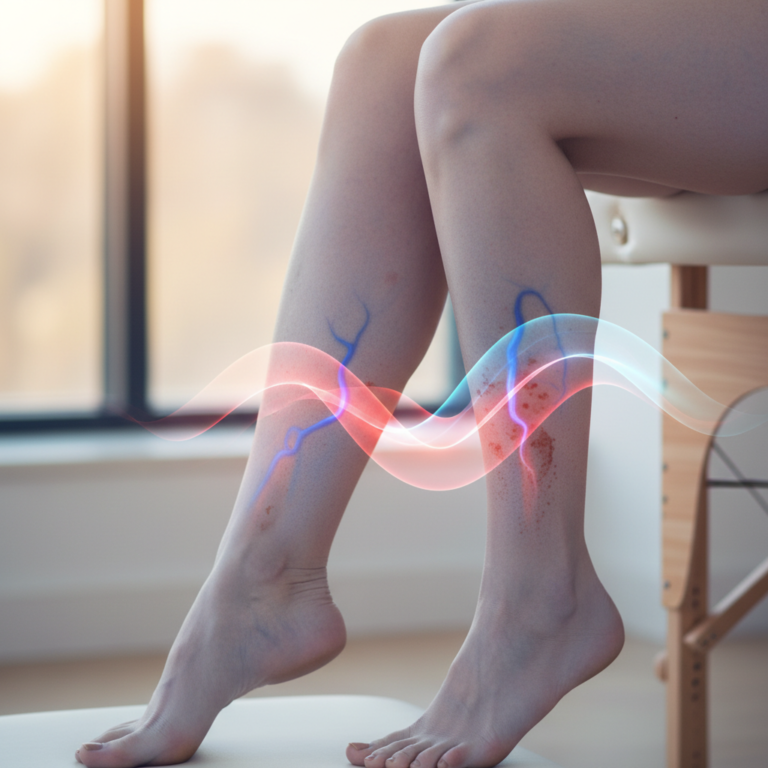
One of the main factors contributing to fluid retention in the legs is poor circulation. When blood does not flow properly through the veins, fluid can accumulate in the tissues. This condition is more common in people who spend long periods standing or sitting.
Some symptoms that may accompany poor circulation include pain, a feeling of heaviness, and fatigue in the legs. Regular exercise, such as walking and stretching, can help improve circulation and consequently reduce fluid retention.
Fluid Retention in the Legs: Hormonal Changes
Hormonal changes, especially during the menstrual cycle, can cause fluid retention in the legs. Many women report swelling and discomfort in the legs and feet before and during menstruation. This occurs due to increased levels of estrogen and progesterone, which influence fluid retention.
It is important to remember that these hormonal fluctuations are normal, but strategies can be implemented to alleviate symptoms. Proper hydration and reducing sodium intake can help minimize swelling.
Fluid Retention in the Legs: Diet and Nutrition
Diet plays a crucial role in fluid retention in the legs. Foods high in sodium, such as processed meats and packaged foods, can lead to fluid accumulation in the body. Excessive intake of sugar and refined carbohydrates can also contribute to the problem.
To combat fluid retention, it is essential to adopt a balanced diet. Foods rich in potassium, such as bananas and avocados, can help balance sodium levels and promote fluid elimination. Additionally, including fruits and vegetables in the diet can be beneficial.
Fluid Retention in the Legs: Sedentary Lifestyle
A sedentary lifestyle is another factor that can contribute to fluid retention in the legs. Lack of physical activity can lead to weakened leg muscles, making it difficult for blood circulation and promoting fluid accumulation.
Incorporating physical exercise into your daily routine is essential. Simple activities, such as walking, climbing stairs, or practicing yoga, can make a significant difference in circulation and reducing fluid retention.
Fluid Retention in the Legs: Pregnancy
During pregnancy, many women experience fluid retention in the legs due to hormonal changes and increased pressure on the veins. The growing uterus can compress blood vessels, making it difficult for blood to return to the heart.
It is important for pregnant women to maintain regular medical check-ups and adopt measures such as elevating the legs and engaging in light exercises to help mitigate swelling. The use of compression stockings may also be recommended.
Fluid Retention in the Legs: Medical Conditions
Certain medical conditions can cause fluid retention in the legs, such as heart failure, kidney problems, and liver diseases. In these situations, it is crucial to seek medical advice for appropriate treatment.
It is important to be aware of warning signs, such as sudden swelling, pain, or difficulty breathing. These symptoms may indicate more serious problems that require immediate attention.
Fluid Retention in the Legs: How to Reduce Swelling
Fluid Retention in the Legs: Practical Tips
To reduce fluid retention in the legs, some simple tips can be followed. The first is to increase water intake. Although it may seem contradictory, drinking more water helps eliminate excess fluids from the body.
Another tip is to avoid staying in one position for too long, whether standing or sitting. If your job requires you to remain in one position for extended periods, take short breaks to move around and stretch your legs. This can help stimulate circulation.
Fluid Retention in the Legs: Physical Exercises
Regular physical exercise is one of the most effective ways to combat fluid retention. Activities such as walking, swimming, and cycling help stimulate circulation and eliminate excess fluids.
Additionally, strength exercises, such as weight training, can strengthen the leg muscles, further improving blood circulation. Set aside time in your routine to exercise and stay active.
Fluid Retention in the Legs: Use of Supplements
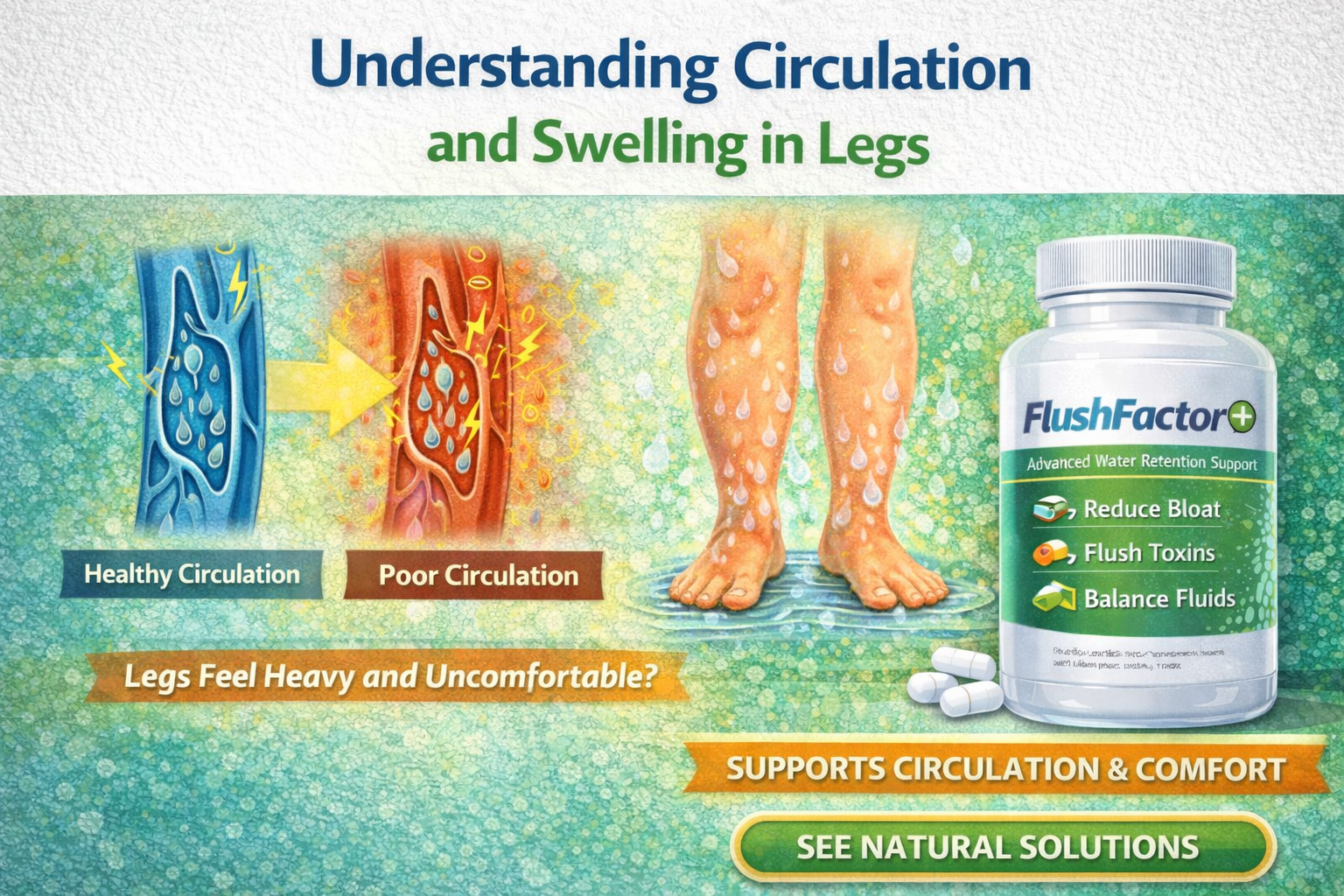
The use of supplements can be an interesting alternative for those suffering from fluid retention. Flush Factor Plus, for example, is a supplement designed to support healthy circulation, help eliminate excess fluids, and reduce swelling in the feet and legs.
This product is ideal for women who face daily discomfort due to fluid retention. With natural ingredients, Flush Factor Plus offers support from the inside out, providing practical and effective relief.
👉 Learn more about Flush Factor Plus here
Fluid Retention in the Legs: Healthy Eating
Healthy eating is a fundamental pillar for reducing fluid retention. In addition to avoiding foods high in sodium, it is important to include diuretic foods in the diet, such as watermelon, cucumber, and asparagus. These foods help eliminate excess fluids from the body.
Additionally, consuming diuretic teas, such as green tea and hibiscus tea, can be a good strategy to aid in fluid elimination. These teas are known for their properties that help detoxify the body and promote health.
Fluid Retention in the Legs: Elevating the Legs
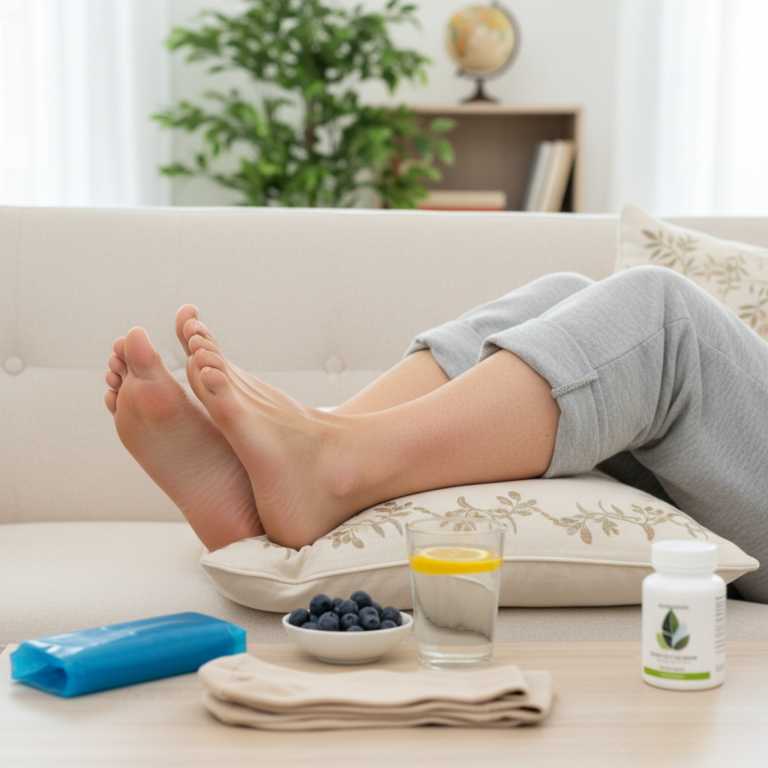
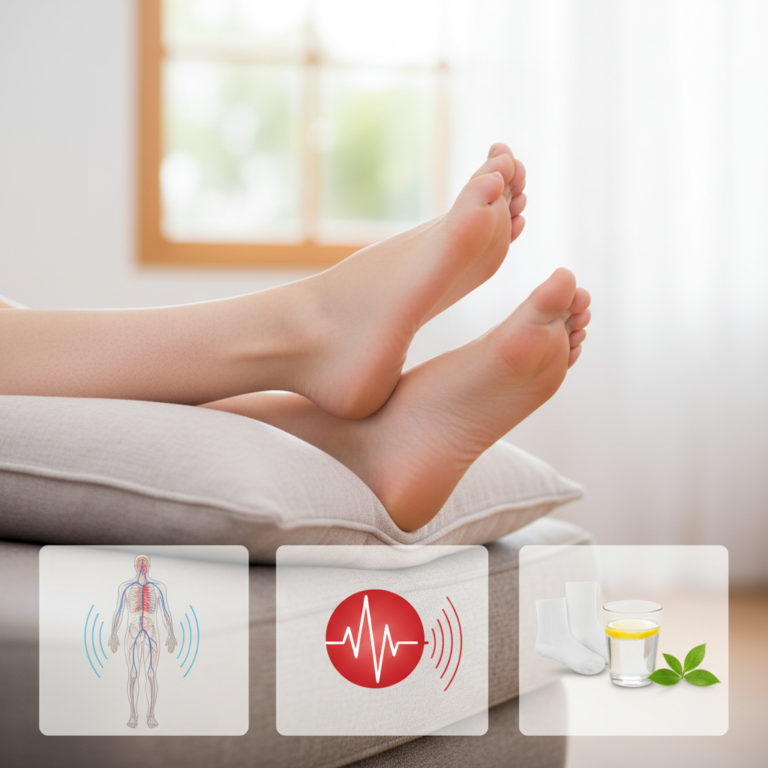
Elevating the legs is a simple yet effective technique for reducing fluid retention. By placing the legs in a position higher than the heart, you facilitate venous return and help decrease swelling.
Try to do this at the end of the day by lying down and placing pillows under your legs. This can provide immediate relief and help reduce the feeling of heaviness in the legs.
Fluid Retention in the Legs: The Importance of Medical Follow-Up
Fluid Retention in the Legs: Regular Check-Ups
It is essential for individuals experiencing fluid retention in the legs to seek medical follow-up. Retention can be a sign of health conditions that require appropriate treatment.
A doctor can perform tests to identify the cause of the retention and recommend the most appropriate treatment. Do not hesitate to seek help if you notice persistent swelling or have other associated symptoms.
Fluid Retention in the Legs: Medical Treatments
In addition to home remedies and lifestyle changes, a doctor may recommend specific treatments, such as diuretics, which help eliminate excess fluids from the body. These medications should be used under medical supervision, as they may have side effects.
Other treatments may include physical therapies and surgical interventions, depending on the severity of the condition.
Fluid Retention in the Legs: Next Steps
Fluid retention in the legs can be an uncomfortable problem and often a sign of something more serious. By understanding the causes and adopting measures to reduce swelling, you can improve your quality of life.
Incorporating healthy habits, such as exercising, maintaining a balanced diet, and using supplements like Flush Factor Plus, can be of great help. If retention persists, do not hesitate to seek medical advice.
Health is a precious asset, and taking care of your body should be a priority.