Modern lifestyle has a significant impact on blood flow and leg health. With the fast-paced routine and the need for long hours in sedentary environments, many face circulation problems that can lead to discomfort and complications.
In this article, we will explore how aspects such as sedentarism, inadequate diet, stress, and long periods of sitting influence leg health and what you can do to improve this condition.
👉 “Understand how women deal with swelling in their feet”
Lifestyle and Blood Flow: Understanding the Relationship
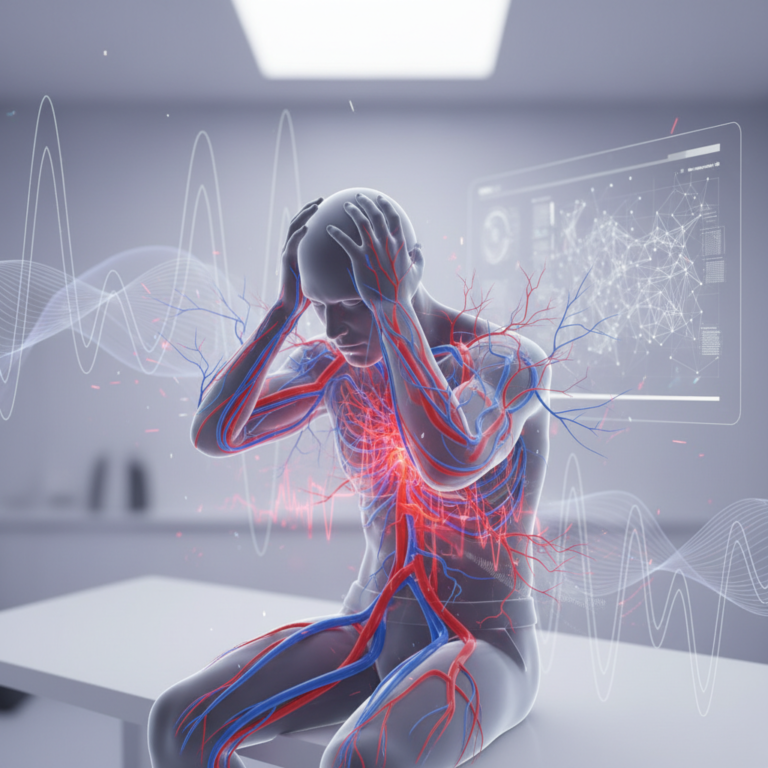
Blood flow is essential for the proper functioning of the body, and lifestyle plays a crucial role in this dynamic. Regular physical activities, for example, help maintain healthy blood circulation, while sedentarism can lead to circulatory problems.
The veins in the legs, which are responsible for returning blood to the heart, depend on muscle contraction to function correctly. When we remain still for too long, this muscle pump is not activated, resulting in poor circulation.
Additionally, the modern lifestyle, characterized by long hours in front of a computer, contributes to blood pooling in the extremities, especially in the legs. This can cause swelling, pain, and, in more severe cases, conditions such as varicose veins.
Sedentarism and Its Effects on Blood Flow
Sedentarism is one of the main villains of leg health. Spending long periods sitting without moving can lead to blood stagnation in the veins of the legs. This not only harms circulation but also increases the risk of cardiovascular diseases.
Studies indicate that a lack of physical activity can be as harmful as smoking. Movement stimulates blood circulation, helping to prevent blood pooling and clot formation.
If you spend most of the day in a sedentary position, it is crucial to incorporate small breaks to move and stretch your legs.
Diet and Leg Health
Diet plays a fundamental role in vascular health. A diet high in sodium, refined sugars, and saturated fats can contribute to fluid retention and increased blood pressure, directly affecting blood flow.
In contrast, a balanced diet rich in fruits, vegetables, whole grains, and lean proteins can help maintain vascular health.
Nutrients such as omega-3, found in fish, and antioxidants, present in fruits and vegetables, promote artery health and improve circulation. Additionally, proper hydration is essential for the functioning of the circulatory system.
Stress and Its Impact on Circulation
Stress is a factor that is often overlooked when discussing leg health. In times of stress, the body releases hormones such as cortisol, which can cause constriction of blood vessels. This affects circulation and can lead to discomfort in the legs.
Practicing relaxation techniques, such as meditation and breathing exercises, can help reduce stress levels and, consequently, improve vascular health. Furthermore, regular physical activities are also excellent for combating stress and promoting healthy blood flow.
👉 “Understand how women deal with swelling in their feet”
Long Periods of Sitting: Consequences for the Legs
Sitting for long periods can cause a range of circulation problems. The pressure exerted on the veins of the legs can lead to the development of varicose veins and other venous conditions. This problem is particularly common among people who work in offices, where it is common to spend hours in the same position.
To counterbalance these effects, it is advisable to take regular breaks. Standing up, walking a little, and even doing simple stretching exercises can be very beneficial. This helps activate circulation and reduce the risk of long-term complications.
Long-Term Consequences for Leg Health
The consequences of the modern lifestyle on leg health can be alarming. Problems such as varicose veins, deep vein thrombosis, and even venous ulcers can arise due to poor circulation. These issues not only affect the appearance of the legs but can also cause significant pain and discomfort.
It is important to be attentive to the signals the body sends. Symptoms such as swelling, pain, cramps, and a feeling of heaviness in the legs should be discussed with a healthcare professional. Lifestyle changes, such as regular exercise and a healthy diet, can help prevent these problems.
Practices to Improve Blood Flow in the Legs
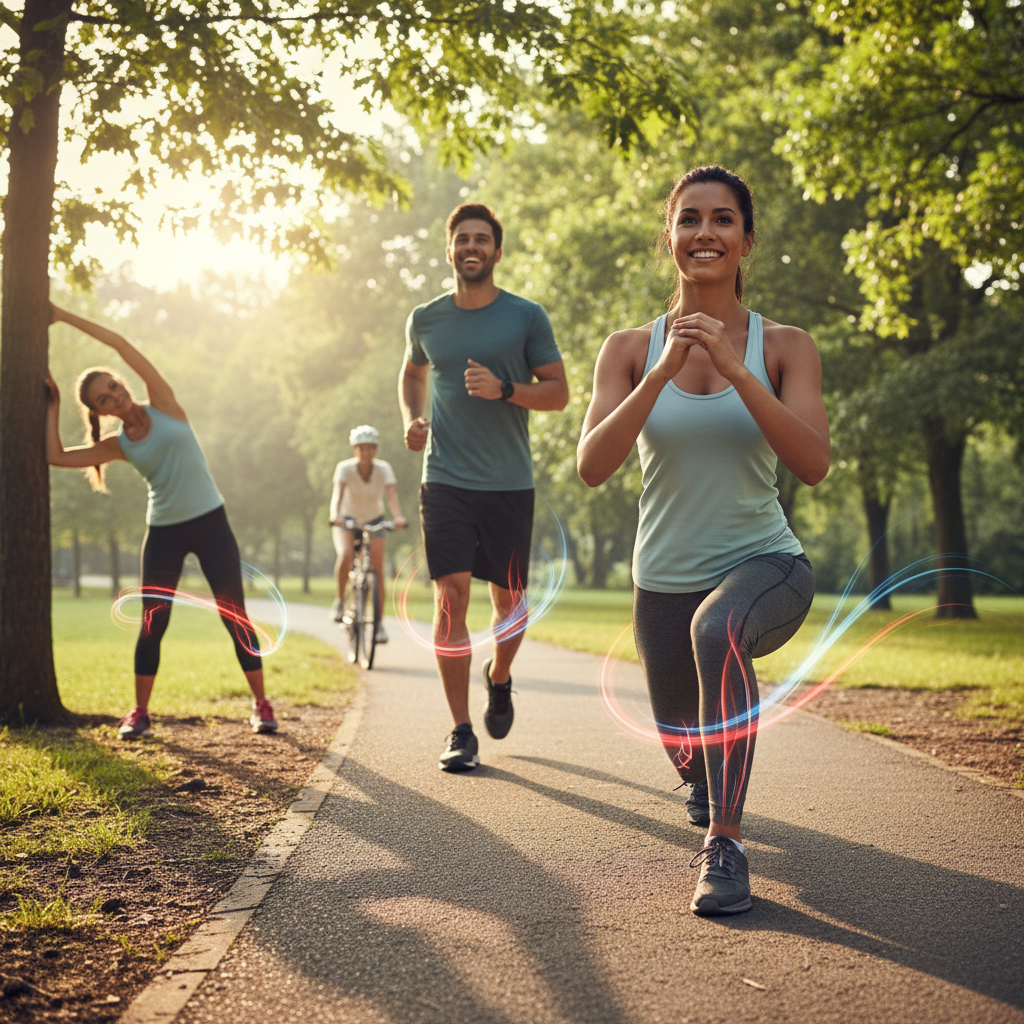
There are several practices that can help improve blood flow and leg health. Incorporating aerobic exercises, such as walking, running, or swimming, can be extremely beneficial. These exercises help strengthen the heart and increase blood circulation.
Additionally, practicing stretching and yoga can help maintain the flexibility of veins and arteries, promoting healthy flow. Massage techniques can also be effective in stimulating circulation in the legs.
Healthy Lifestyle: Next Steps for Leg Health
Adopting a healthy lifestyle is crucial for maintaining leg health and promoting good circulation. This includes maintaining a balanced diet, exercising regularly, and managing stress. Take small steps, such as choosing stairs instead of elevators and taking active breaks during work.
Remember that taking care of leg health is a long-term investment. By making simple changes to your routine, you can avoid complications in the future and ensure that your legs remain healthy and functional for many years.
👉 “Understand how women deal with swelling in their feet”