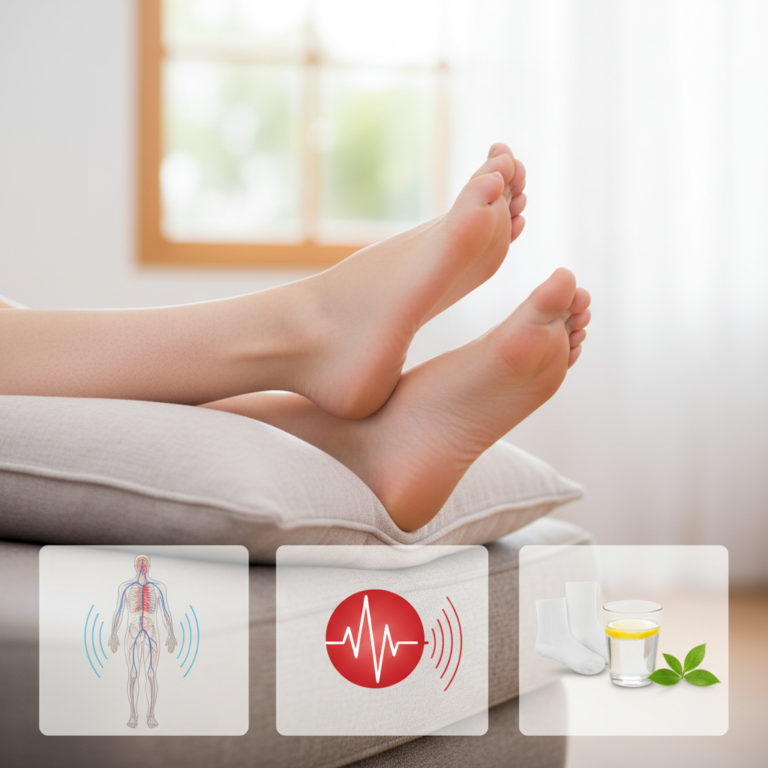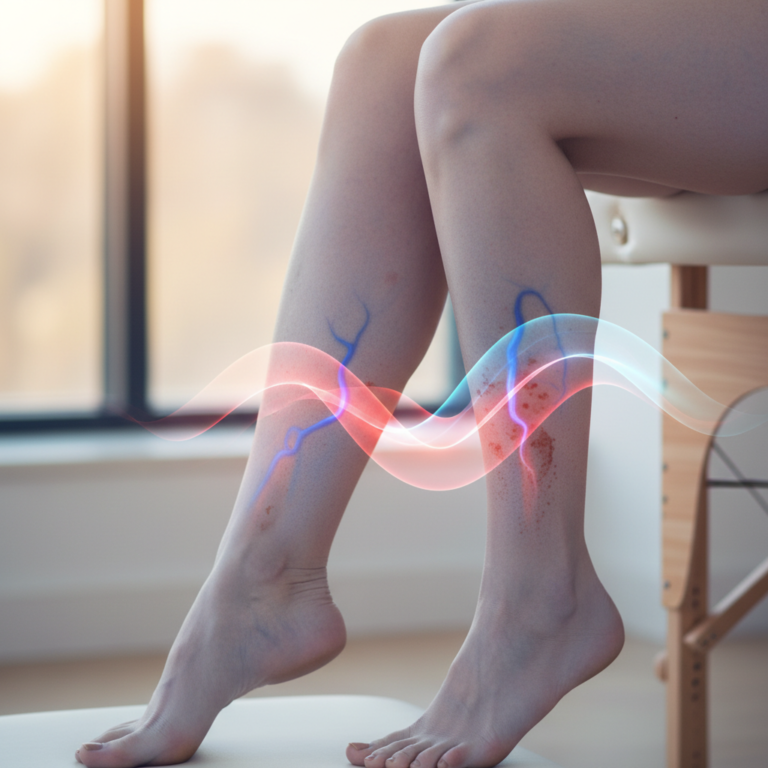

Have you ever wondered why your ankles swell? This is a common problem that affects many people, and understanding its causes can be the first step in finding effective solutions.
Swelling in the ankles can be uncomfortable and, in some situations, even painful.
“Discover how Flush Factor Plus helps reduce swelling in your ankles by improving circulation.”
In this article, we will explore the common causes of ankle swelling, what does not solve the problem, and what really helps.
At the end, we will also introduce Flush Factor Plus, a supplement that can be a valuable support in this process.
Why Do My Ankles Swell? Common Causes
Ankles can swell for a variety of reasons, and identifying them is essential for effectively treating the problem. Among the most common causes, we find:
1. Fluid Retention: This is one of the most frequent causes of swelling in the ankles. Retention can occur due to a diet high in sodium or hormonal changes, especially in women during their menstrual cycle.
2. Lack of Movement: Staying in one position for long periods, whether sitting or standing, can lead to swelling in the ankles. The lack of movement prevents blood from circulating properly, resulting in fluid buildup.
3. Injuries: Sprains or trauma in the ankle area can cause swelling. The body responds to injuries with inflammation, which often manifests as swelling.
4. Medical Conditions: Diseases such as heart failure, kidney problems, or liver issues can contribute to swelling in the ankles. It is crucial to consult a doctor if the swelling is persistent or accompanied by other symptoms.
5. Medications: Some medications, such as non-steroidal anti-inflammatory drugs (NSAIDs) and certain antidepressants, can cause fluid retention as a side effect.
6. Pregnancy: During pregnancy, the body undergoes various hormonal and circulatory changes, which can result in swelling of the ankles and feet.
7. Obesity: Excess weight can increase pressure on the veins in the legs, making it difficult for blood to return to the heart and contributing to swelling.
8. Vascular Problems: Chronic venous insufficiency, a condition in which the veins have difficulty sending blood back to the heart, is a common cause of swelling in the legs and ankles.
Identifying the cause of ankle swelling is the first step toward finding an appropriate and effective solution.
What Does NOT Solve Ankle Swelling
Many people resort to solutions that may not be effective for ankle swelling. Here are some of those approaches that usually do not resolve the problem:
1. Wearing Tight Socks: While compression socks can help in some cases, wearing socks that are too tight can actually worsen the situation by restricting circulation.
2. Extremely Low Sodium Diet: Drastically reducing sodium can be counterproductive. Sodium is essential for various bodily functions, and eliminating it completely can cause imbalances.
3. Unsupervised Home Remedies: Many people try home remedies without medical guidance. While some may provide temporary relief, it is essential to know the cause of the swelling before attempting any treatment.
4. Ignoring Associated Symptoms: Focusing only on swelling and ignoring other symptoms, such as pain, redness, or heat, can be risky. It is crucial to observe the body as a whole.
5. Sedentary Lifestyle: Lack of physical activity is one of the reasons for ankle swelling. Many people believe that resting is the solution, but movement is vital for circulation.
6. Self-Medication: Taking medications without a prescription can be dangerous. Some medications can cause side effects that worsen swelling instead of relieving it.
7. Superficial Massages: While massages can provide temporary relief, they do not address the cause of the swelling. It is important to tackle the root of the problem.
By avoiding these ineffective approaches, you can direct your efforts toward solutions that truly help.
“Discover how Flush Factor Plus helps reduce swelling in your ankles by improving circulation.”
What Really Helps with Ankle Swelling
Now that we have discussed what does not work, let’s explore the solutions that can indeed help reduce swelling in the ankles.
1. Increase Mobility: Regular exercise is essential. Walking, swimming, and stretching can improve circulation and reduce swelling.
2. Elevate Your Legs: Elevating your feet above heart level can help relieve pressure in the legs and ankles, facilitating venous return.
3. Proper Hydration: Drinking enough water helps combat fluid retention. Often, the body retains water when it is dehydrated.
4. Balanced Diet: Including potassium-rich foods, such as bananas and spinach, can help balance sodium in the body and reduce fluid retention.
5. Proper Compression: If necessary, use appropriate compression socks that help improve circulation without restricting blood flow.
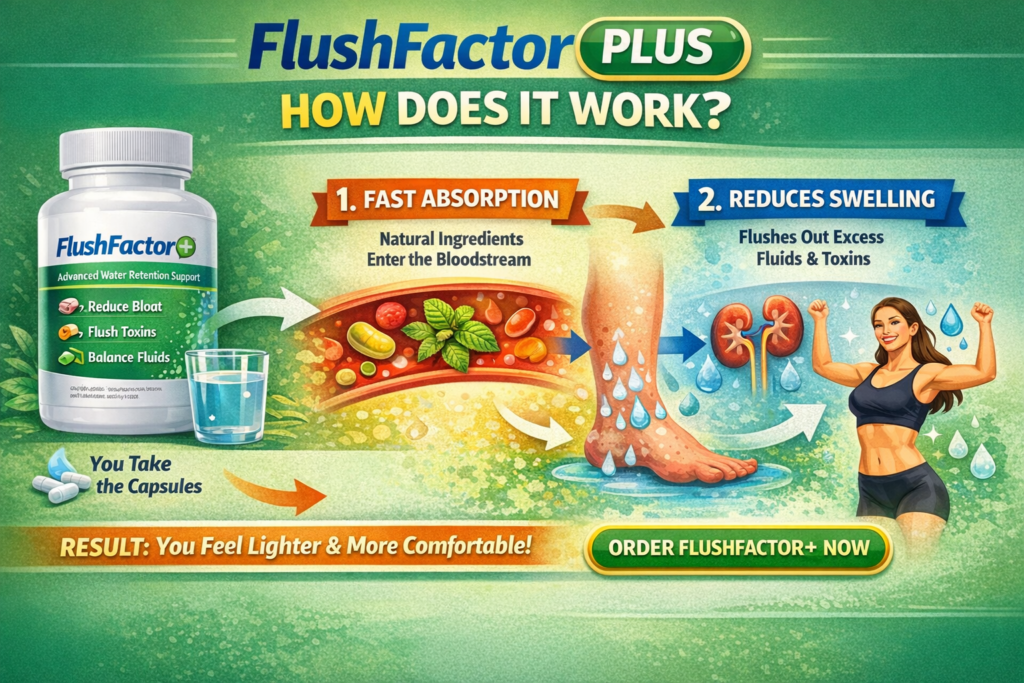
6. Supplementation with Flush Factor Plus: Flush Factor Plus is a supplement designed to support healthy circulation and help eliminate excess fluids. It can be especially useful for women suffering from retention, heavy legs, or daily discomfort. The formula is practical and natural, offering support from the inside out.
7. Medical Consultation: If swelling persists, it is essential to consult a doctor. Tests may be necessary to identify underlying conditions.
8. Weight Management: Maintaining a healthy weight can reduce pressure on the veins, helping to prevent swelling.
Combining these strategies can significantly help reduce swelling in the ankles.
Flush Factor Plus: Ongoing Support for Ankle Swelling
Flush Factor Plus is a supplement that stands out for its focus on circulatory health and swelling reduction. With a natural formula, this product is designed to help eliminate excess fluids and relieve the sensation of heavy legs.
Women who face daily discomfort from fluid retention can greatly benefit from Flush Factor Plus. The supplement works practically and continuously, providing essential support for circulatory health.
Additionally, Flush Factor Plus can be an excellent addition to your routine, especially when combined with healthy habits, such as a balanced diet and regular exercise.
For those seeking relief from ankle swelling, Flush Factor Plus is an option to consider.
Lifestyle Changes That Help Combat Swelling
Making changes to your lifestyle can be one of the most effective steps to combat ankle swelling. Here are some practical actions you can adopt:
1. Engage in Regular Physical Activities: Physical activity not only improves circulation but also helps maintain a healthy weight. Try to include at least 30 minutes of exercise in your daily routine.
2. Stay Hydrated: Water is essential for keeping the body healthy. Drink at least two liters of water a day to ensure proper hydration.
3. Adopt a Nutrient-Rich Diet: Focus on a balanced diet rich in fruits, vegetables, and whole grains. Reduce your intake of processed foods and those high in sodium.
4. Avoid Long Periods of Standing or Sitting: If you work in an environment where you need to remain in one position for long periods, try to take regular breaks to move and stretch.
5. Consider Physical Therapy: In cases of persistent swelling, physical therapy can be beneficial. A physical therapist can recommend specific exercises to improve circulation.
6. Wear Comfortable Shoes: Tight or inappropriate footwear can contribute to swelling. Wear shoes that provide adequate support and comfort.
7. Manage Stress: Stress can affect overall health, including circulation. Practice relaxation techniques, such as meditation and deep breathing, to help control stress.
8. Monitor Your Weight: Keeping track of your weight can help identify changes that may be contributing to swelling. If you notice significant weight gain, consult a healthcare professional.
These simple changes can have a significant impact on reducing ankle swelling and improving your quality of life.
Why Do My Ankles Swell? The Importance of Prevention
Prevention is a vital part of managing ankle swelling. Knowing the causes and risk factors can help prevent the problem from worsening.
Maintain an active and healthy lifestyle. This not only helps keep weight under control but also promotes blood circulation, preventing swelling.
Pay attention to the signals your body gives you. If you notice a sudden increase in swelling in your ankles, do not hesitate to seek medical attention. Early diagnosis is crucial for the effective treatment of any underlying condition.
By adopting a proactive approach to your health, you can minimize discomfort and improve your quality of life.
Next Steps to Combat Ankle Swelling
If you are wondering “why do my ankles swell?”, you now have a clearer understanding of the causes and available solutions. The key is to address the problem holistically, combining lifestyle changes, medical follow-up, and, if necessary, the use of supplements like Flush Factor Plus.
Remember that health is a journey, and every step counts. By implementing the strategies discussed in this article, you will be on the right path to reducing ankle swelling and improving your quality of life.